



Bánh Rán Hanoi 2026: The Complete Guide to Hanoi’s Iconic Vietnamese Donut (Sweet and Savory)
If there is one snack that captures the rhythm of Hanoi street food, it is bánh rán Hanoi. Golden, crackling, and sold from the same charcoal-warmed pans that have simmered on Old Quarter corners for generations, this humble fried dough is one of the most satisfying things to eat in Hanoi, whether you are chasing a sugar-glazed treat after a bowl of pho or hunting for a savory, meat-filled version to eat standing up on a plastic stool.
This guide covers everything a visitor needs: where bánh rán comes from, how it is made, the different types from sweet to savory, and exactly where to find the best versions in the Old Quarter, plus a note on where to stay so you are never far from the next batch.
What Is Bánh Rán Hanoi? Origin and History
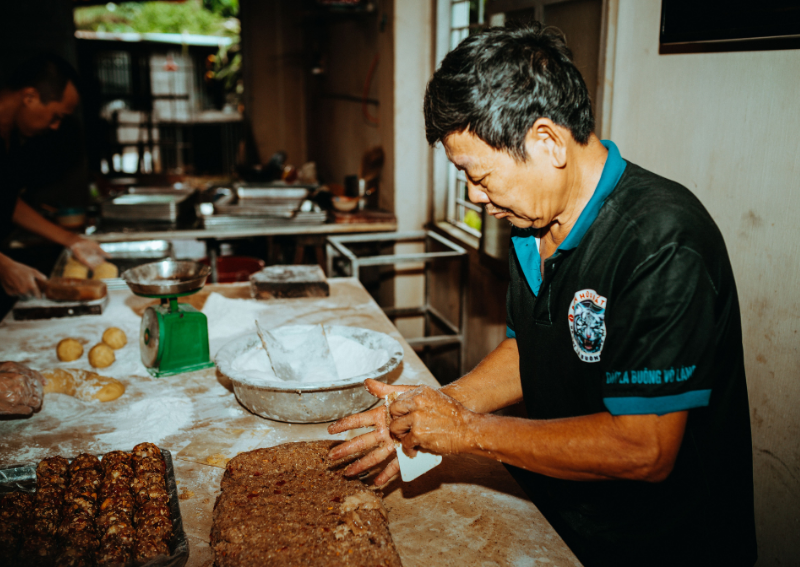
It belongs to a wider family of fried glutinous rice dumplings found across East and Southeast Asia, related to dishes like Chinese jian dui and matuan. In Vietnam, the snack developed its own identity over centuries, becoming a staple of northern Vietnamese cuisine and, in particular, a signature item of Hanoi street food.
The name itself is simple: “bánh” means cake or dumpling, and “rán” means fried. Historically, bánh rán was a festival and market-day food, sold in villages around the Red River Delta before becoming a fixture of Hanoi’s Old Quarter food stalls. Over time, two distinct branches emerged: a sweet version filled with mung bean paste, and a savory version filled with seasoned ground pork, a divide that still defines the snack today. In southern Vietnam, a related but different treat called bánh cam or bánh còng follows a similar frying technique with its own regional twist, which is worth knowing if you are comparing Vietnamese street food across regions during your trip.
How This Vietnamese Snack Is Made
Despite tasting complex, this Hanoi street food is built from a short list of humble ingredients, and the craft lies entirely in technique.
The Dough
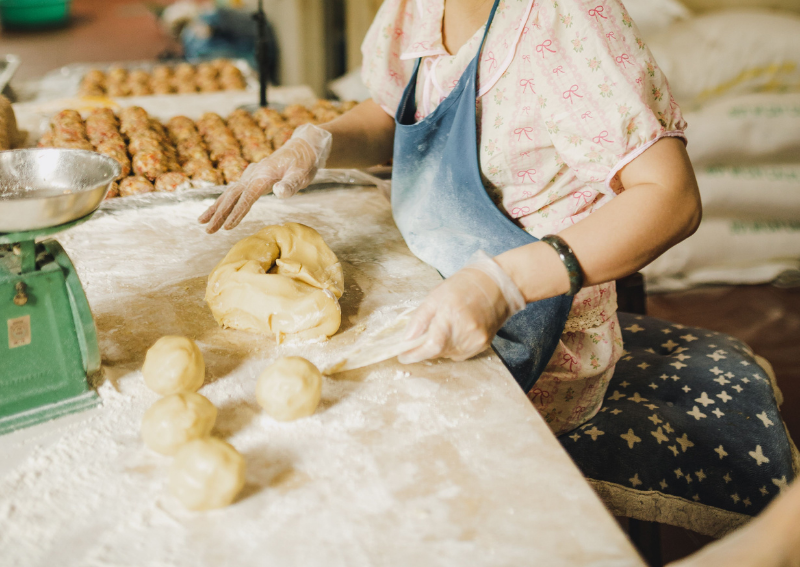
Glutinous rice flour is combined with a small amount of regular rice flour, mashed boiled sweet potato or taro for sweetness and structure, and water, then kneaded into a smooth, elastic dough.
The Filling
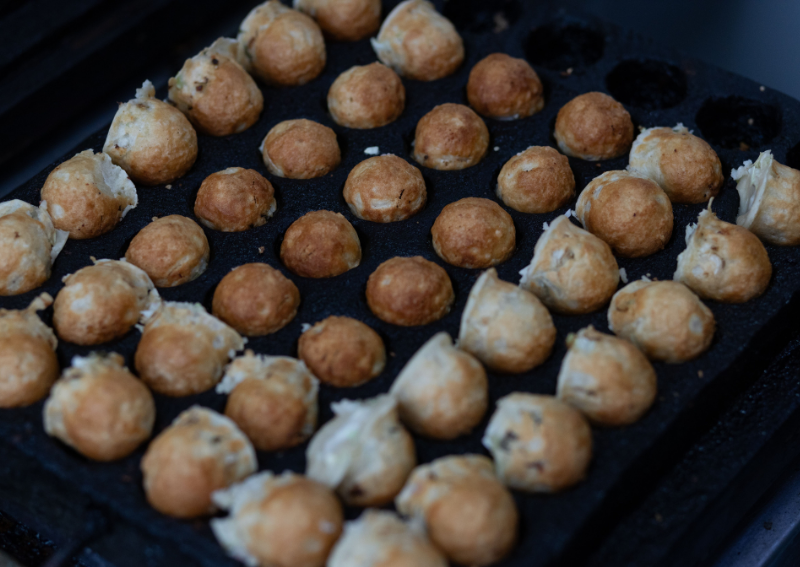
For the sweet version, mung beans are steamed, mashed, and cooked down with sugar into a thick paste. For the savory version, ground pork is mixed with wood ear mushrooms, soaked glass noodles, and seasoning.
Shaping
A ball of dough is flattened, filled, sealed into a round or slightly flattened shape, and, for many sweet versions, rolled in sesame seeds for crunch and aroma.
Frying
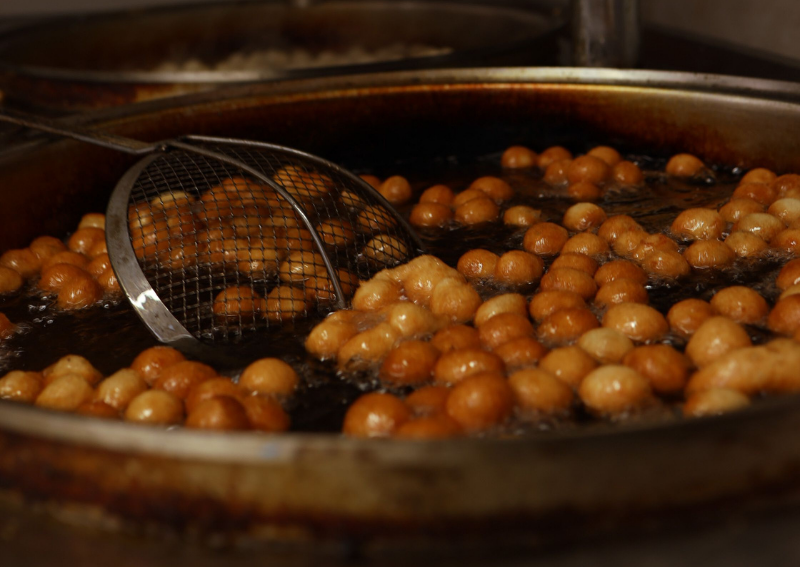
This is the part that separates a great bánh rán from an average one. The dumplings are deep-fried at a moderate temperature first to cook the inside through, then finished at a higher heat so the exterior puffs up and turns crisp and golden without absorbing excess oil.
Finishing
Sweet bánh rán is often dipped briefly in a warm sugar syrup after frying, giving it a glossy, slightly sticky coating, while savory bánh rán is served hot with a side of nuoc cham style dipping sauce, herbs, and pickled vegetables.
What are Your Perfect Vietnamese Donuts: From Sweet to Savory
One of the most interesting things about this dish is how far it stretches across the sweet-savory spectrum, so there is a version for every craving.
Bánh Rán Ngọt (sweet fried dumpling)
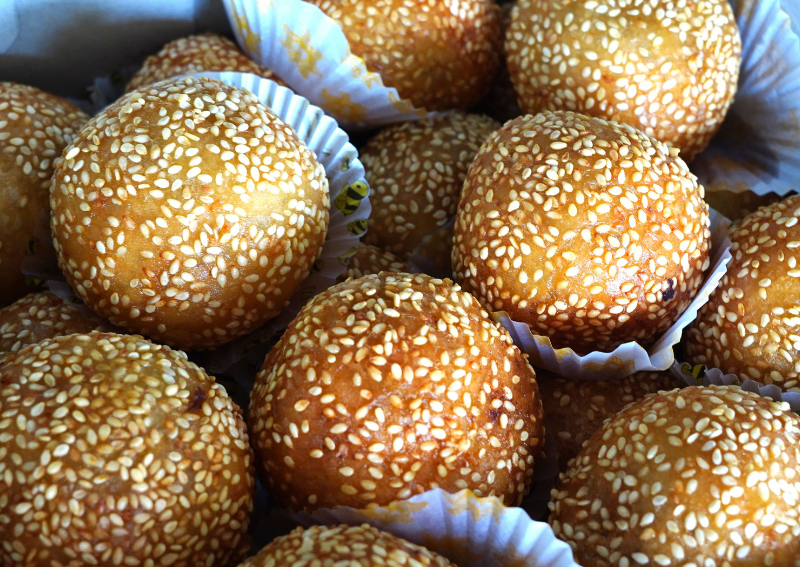
The classic version, filled with sweet mung bean paste, coated in sesame seeds, and finished with a light sugar glaze. This is the most iconic form and the one most associated with traditional Vietnamese desserts.
Bánh Rán Mật (honey-glazed bánh rán)
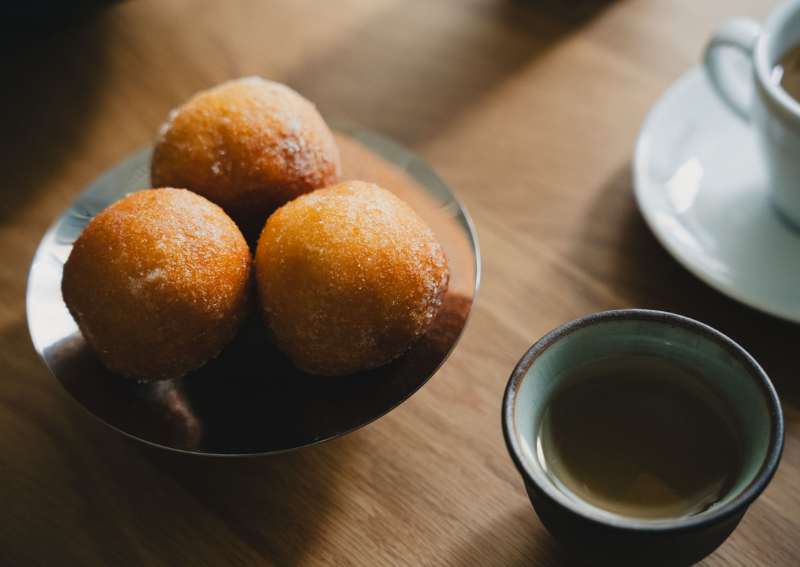
A northern specialty where the fried dumpling is dipped in a thick, dark sugarcane syrup instead of a light glaze, giving it a deeper caramel flavor and stickier finish.
Bánh Rán Mặn (savory fried dumpling)
Filled with seasoned pork, wood ear mushroom, and vermicelli, this version is closer to a savory fritter than a dessert, and is typically eaten as a snack or light meal with dipping sauce and fresh herbs.
Bánh Rán Vừng (sesame-coated bánh rán)
Technically a variation rather than a separate category, but worth calling out for the generous sesame coating that adds nutty crunch to either the sweet or plain version.
Mini and Novelty Versions
In recent years, some Old Quarter vendors have introduced oversized or bite-sized versions aimed at younger crowds and social media, proof that this centuries-old snack keeps evolving.
What Makes Vietnamese fried Dough Special?
Texture is the whole story here. A well-made bánh rán has a shatteringly crisp shell that gives way to a chewy, almost stretchy interior, and then a filling that is either creamy and sweet or savory and juicy. That contrast, crisp against chewy, sweet against savory, is why it remains one of the most beloved items in Hanoi’s street food scene, sold everywhere from early morning market stalls to late-night snack corners.
It is also remarkably affordable and portable, which is exactly why it has thrived as an Old Quarter walking-tour snack for both locals and visitors. Many stalls have been run by the same families for two or three generations, and regulars will tell you that the best versions come from vendors who fry to order rather than reheating a pre-made batch.
Best Places to Try in Hanoi Old Quarter
The Old Quarter is the best place in the country to compare styles side by side, since sweet and savory versions are often sold within a short walk of each other.
- Hang Bo Street: One of the most talked-about spots for Honey-glazed fried dough. This small, no-frills stall is known for frying to order, so the dumplings arrive at your table still crackling.
- Luong Ngoc Quyen: Known for its evening food scene, this stretch has a few stalls serving fresh, hot bánh rán mặn alongside other Vietnamese snacks, perfect for pairing with an evening walk.
- Ly Quoc Su Street: Famous more broadly for its food stalls, this street is a reliable place to find both bánh rán and its close cousin bánh goi served together, ideal if you want to compare textures in one sitting.
As with most Hanoi street food, the best approach is to follow the crowds of local regulars rather than the flashiest signage, and to eat it hot, straight from the pan, for the full experience.
Where to Stay in Hanoi Old Quarter
For visitors planning a bánh rán crawl through the Old Quarter, staying close to the action makes all the difference. Hanoi La Siesta Classic Hang Thung sits right in the heart of the Old Quarter, steps from Hoan Kiem Lake and within easy walking distance of the streets and markets where the best bánh rán stalls operate, making it one of the most convenient bases for a proper Old Quarter food tour.
Recognized as one of the Top 10 Hotels in Asia in 2025 by TripAdvisor, it consistently ranks among the best hotels in Hanoi and stands out among the best boutique hotels in Hanoi Old Quarter thanks to its thoughtfully designed rooms, genuinely warm service, and a rooftop or four-season pool that feels well earned after a day spent weaving between food stalls, temples, and the lakeside promenade.