



Bánh Cuốn Hanoi 2026: The Complete Guide to Hanoi Steamed Rice Rolls
Few dishes capture the quiet elegance of Vietnamese cuisine quite like bánh cuốn Hanoi. Paper-thin, delicate, and steamed to order in front of you, this rice roll is one of the most beloved breakfast dishes in Hanoi, a favorite alternative to pho for locals and an essential stop on any Old Quarter food tour.
This guide covers everything a visitor needs to know: where bánh cuốn comes from, how it is made, the different styles from plain to filled, the Michelin-recognized shops worth seeking out, and where to stay so you are never far from the next steaming basket.
What Is Bánh Cuốn Hanoi? – Authentic Vietnamese Food
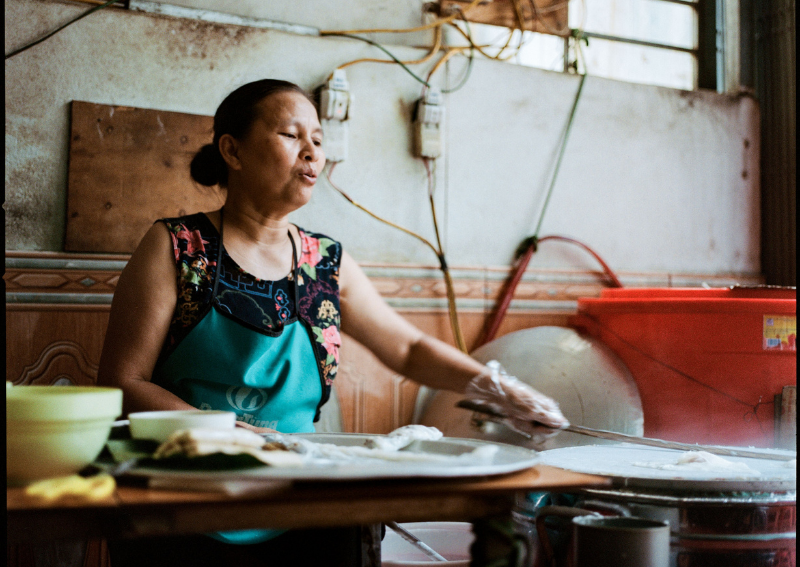
Bánh cuốn Hanoi traces its roots to Thanh Trì, a village on the southern edge of Hanoi once famous for its rice-growing tradition and its skill at turning rice batter into gossamer-thin sheets. The dish became known as bánh cuốn Thanh Trì, and to this day, connoisseurs consider Thanh Trì-style bánh cuốn the gold standard of traditional Vietnamese desserts and savory street food alike, prized for its purity of flavor rather than heavy seasoning.
Over generations, bánh cuốn moved from the village into the heart of the city and became a signature item of Hanoi street food, sold from early morning stalls where a single cook can steam, fill, and roll dozens of orders an hour without breaking rhythm. The Vietnamese writer Thạch Lam once described bánh cuốn as one of the truest, most authentic snacks of Hanoi people, a line still quoted by food lovers exploring the city’s culinary heritage today.
While the original Thanh Trì version is served plain with no filling, most bánh cuốn found around the Old Quarter today comes filled with minced pork and wood ear mushroom, a variation that has become the more widely recognized style for visitors on a Hanoi food guide.
How Bánh Cuốn Hanoi Is Made
The appeal of steamed rice rolls Hanoi lies almost entirely in technique, since the ingredient list itself is short.
The Batter
Rice is soaked, ground into a smooth batter with water, and thinned to a consistency that spreads easily but still holds together once steamed.
The Steaming
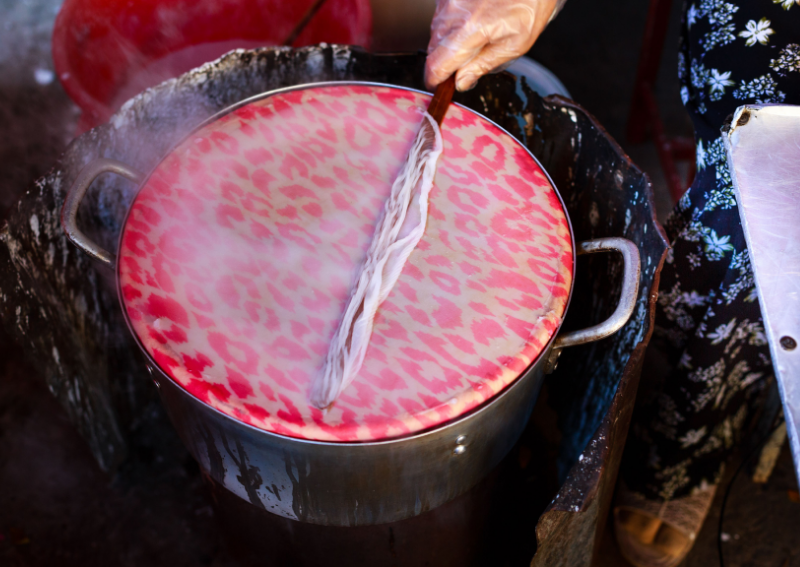
A thin layer of batter is ladled onto a piece of stretched cloth over a pot of boiling water, then covered for a matter of seconds until it turns translucent. This step is the heart of the craft, and experienced cooks can produce a perfectly even, tissue-thin sheet almost every time.
The Filling
For the classic savory version, a mixture of minced pork, wood ear mushroom, and shallots is sautéed and seasoned, then spread across the steamed sheet before it is rolled or folded.
The Lift and Roll
Using a thin bamboo or wooden stick, the cook lifts the delicate sheet off the cloth in one smooth motion and rolls it around the filling, a move that looks effortless but takes years to master without tearing the batter.
The Finish
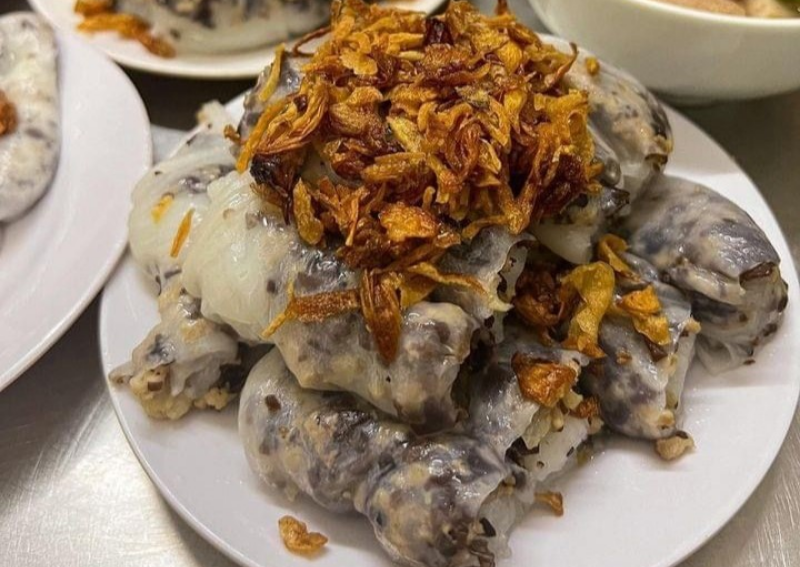
Hanoi steamed rice rolls are topped with crispy fried shallots and served warm, always with a small bowl of nuoc cham style dipping sauce, fresh herbs, and often slices of Vietnamese pork sausage or grilled meat on the side.
Types of Bánh Cuốn Hanoi: From Plain to Filled
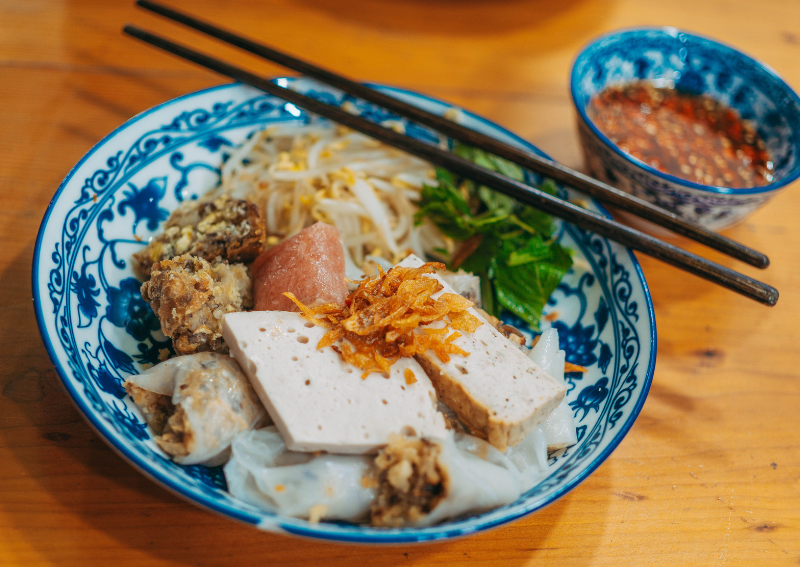
Bánh cuốn covers more ground than most visitors expect, ranging from austere and delicate to rich and savory.
Bánh Cuốn Thanh Trì (Plain Rice Rolls)
The original style, unfilled and served at room temperature in thin layers, meant to be eaten with fried shallots, a touch of fish sauce, and sometimes slices of cha lua, a pure showcase of rice flavor and texture.
Bánh Cuốn Nhân Thịt (Pork and Mushroom-filled Rolls)
The most common version around the Old Quarter today, filled with seasoned minced pork and wood ear mushroom and served hot, straight from the steamer.
Bánh Cuốn Trứng (Egg Bánh Cuốn)
A soft poached or lightly set egg is steamed directly into the rice sheet, creating a richer, creamier version that has become popular with both locals and visitors as a heartier breakfast option.
Bánh cuốn chả (rolls with grilled or fried pork)
Served alongside grilled pork patties or fried pork sausage, this combination turns the light rice roll into a fuller, more filling meal, a good choice for anyone building out a proper Hanoi food guide stop.
Bánh cuốn tôm (shrimp-filled rolls)
Less common but found at a handful of specialist shops, this version swaps or adds minced shrimp to the filling for a lighter, slightly sweeter bite, often listed as a modern take on traditional Vietnamese desserts and snacks alike.
What Makes Bánh Cuốn Special – Traditional Vietnamese Breakfast Food
The magic of bánh cuốn is in its restraint. Unlike richer, more assertive Vietnamese street food, bánh cuốn is about subtlety: a nearly transparent rice sheet, a light savory filling, and a dipping sauce calibrated to enhance rather than overpower. It is also a genuine piece of culinary theater, since most stalls steam each order fresh in full view of waiting customers, making it a favorite stop for anyone wanting to see traditional Vietnamese cuisine made by hand rather than plated in a kitchen out of sight.
It is also one of the most accessible entry points into Hanoi’s food scene for visitors who prefer something lighter than noodle soup in the morning, which is exactly why it remains a fixture of nearly every Old Quarter walking tour and why so many long-running family shops have survived for generations on reputation alone.
Best Places to Try Bánh Cuốn in Hanoi Old Quarter
The Old Quarter and its surrounding streets hold some of the most respected bánh cuốn addresses in the city, including a few recognized by the Michelin Guide.
Bánh Cuốn Gia Truyền Thanh Vân
- Address: 14 Hang Ga, Hoan Kiem, Hanoi
Open since 1973 and located right in the Old Quarter, this family-run shop earned a Bib Gourmand distinction in the 2026 Michelin Guide Hanoi. Everything is made from scratch, producing rolls that are thin, delicate, and soft, paired with a family-recipe dipping sauce and a choice of pork, shrimp, or chicken filling, a genuinely must try Hanoi food stop for anyone tracking Michelin picks.
Bánh Cuốn Bà Hoành
A short ride from the Old Quarter, this nearly century-old shop has been Michelin Selected and is known for its Thanh Trì-style rolls served with a distinctive dipping sauce, occasionally finished with a rare local water beetle extract that regulars swear by.
Bánh Cuốn Bà Xuân
- Address: Hoe Nhai Alley, Ba Dinh, Hanoi
Also Michelin Selected and just a short trip north of the Old Quarter, this stall is known for watching the cook steam and assemble each roll to order, with both a classic pork and mushroom filling and a version topped with a soft poached egg.
As with most Hanoi street food, arrive during breakfast hours when the rolls are freshest, and do not be surprised to see a short queue outside the most established addresses.
Where to Stay in Hanoi Old Quarter
For visitors planning a morning bánh cuốn crawl, staying inside the Old Quarter makes the whole outing easier. Hanoi La Siesta Classic Hang Thung sits in the heart of the Old Quarter, one of the most characterful neighborhoods in Southeast Asia and the natural starting point for exploring everything from Hoan Kiem Lake to the temples and academies that shaped the city’s intellectual history, as well as the food streets around Hang Ga and Hang Bo where some of the city’s best bánh cuốn is steamed fresh each morning.
Recognized as one of the Top 10 Hotels in Asia in 2025 by TripAdvisor, it has earned its place among the best hotels in Hanoi and the best boutique hotels in Hanoi Old Quarter through beautifully appointed interiors, warm and genuinely attentive service, and a four-season pool that feels especially welcome after a morning spent walking between food stalls and historic sites on foot.