


Hoa Sữa Hanoi 2026: The Fragrant Milk Flower That Defines Autumn in Hanoi
Every October, a distinct sweetness drifts through the streets of Hanoi at dusk, thick enough to stop passersby mid-step. This is hoa sữa Hanoi, the milk flower, and for anyone visiting the city during Vietnam’s cooler months, understanding this small white bloom is understanding one of the most emotionally loaded symbols in Hanoi culture. It is not found on souvenir shelves or restaurant menus, yet locals will tell you that autumn in Hanoi would lose half its identity without it.
What Is Hoa Sữa Hanoi
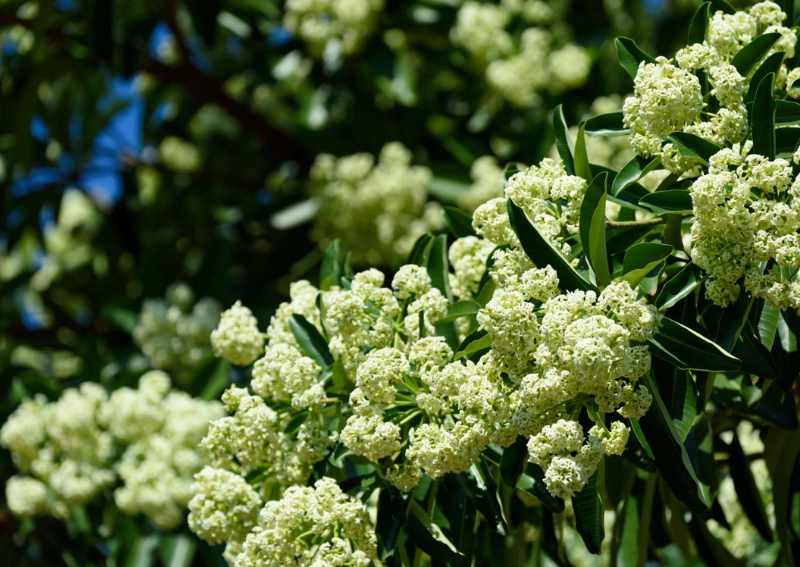
Hoa sữa, scientifically known as Alstonia scholaris and sometimes called the devil’s tree or blackboard tree in English, is a fast-growing evergreen that can reach heights of over 40 meters in ideal conditions. The tree gets its Vietnamese name, which translates to milk flower, from the thick, milky white sap that oozes from its gray bark when cut. It thrives across tropical regions, from India and Thailand to parts of Australia, but nowhere has it become quite as culturally significant as it has in Hanoi.
- Color and shape: small white to pale greenish-cream flowers, clustered in dense, star-shaped bunches at the end of each branch
- Leaves: glossy, dark green, growing in whorls of four to seven around the stem, giving the tree its distinctively layered canopy
- Bloom period: typically from mid-September through November, with the most intense flowering in October
- Scent behavior: fragrance intensifies noticeably after sunset, making evening walks the best time to experience it
The flowers themselves are unremarkable to look at, easy to miss from a distance. It is entirely the scent, heavy, sweet, and almost impossible to ignore once it takes hold of a street, that has made this plain-looking tree so unforgettable.
Why Hoa Sữa Became the Symbol of Hanoi Autumn
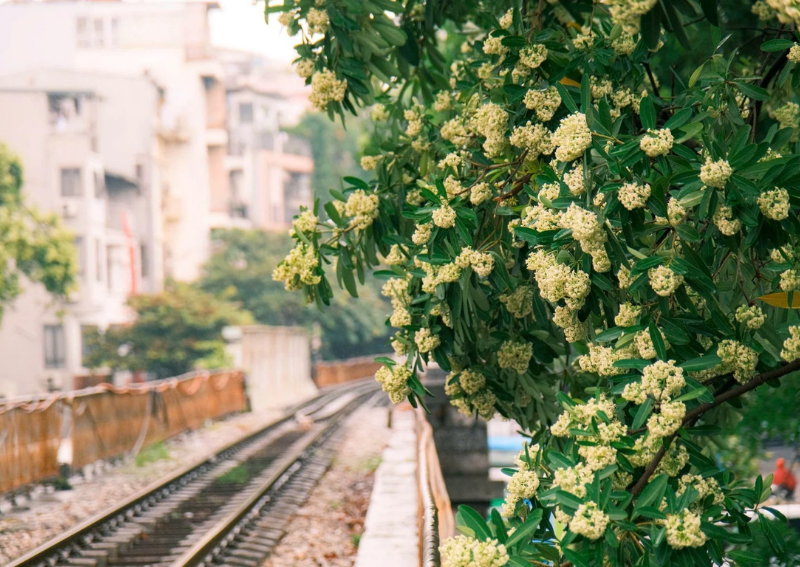
Hanoi is far from the only Vietnamese city to plant hoa sữa along its streets. Ho Chi Minh City and Nha Trang have it too, yet somehow only Hanoi has become permanently associated with its fragrance. The most commonly cited explanation is climate: Hanoi’s autumn brings a distinct chill and lower humidity that other Vietnamese cities simply do not experience, and this cooler, drier night air is what allows the flower’s heavy scent to travel and linger rather than dissipate quickly in tropical heat.
That unique combination, cool wind, golden light, and an inescapable sweetness in the air, became the sensory backdrop against which generations of Hanoians fell in love, said goodbye, and grew up. The flower’s cultural weight was cemented by two of Vietnam’s most beloved songs: “Hoa Sữa” by composer Hong Dang and “Nho Mua Thu Ha Noi” by Trinh Cong Son, both of which turned the scent into shorthand for the city’s autumn mood. To this day, mentioning hoa sữa to almost anyone from Hanoi triggers an immediate, often wistful, memory.
The Meaning Behind the Fragrance
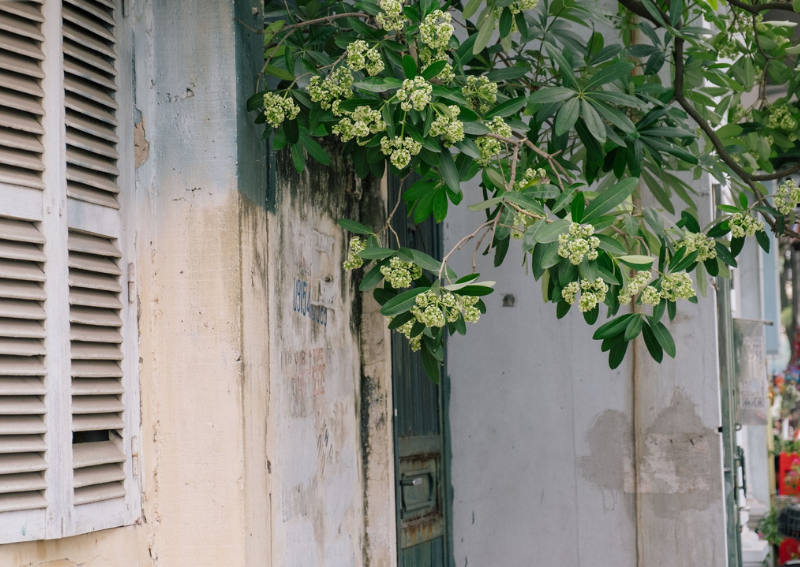
Beyond its role as an autumn signpost, hoa sữa carries a folk story that deepens its emotional resonance. According to local legend, the flower originated from a young woman who fell silently in love with a neighbor but never spoke her feelings aloud. When he eventually married someone else, her heartbreak transformed into the tree itself, and its fragrance became a lasting, if quiet, expression of a love that was never returned. Whether or not visitors take the legend literally, it explains why the scent is so often tied to themes of longing, memory, and unspoken affection in Vietnamese poetry and song lyrics.
For people who have left Hanoi, whether for another Vietnamese city or another country entirely, the smell of hoa sữa is frequently described as one of the most powerful triggers of homesickness there is. It is a rare case of a single scent becoming inseparable from a city’s identity, on par with how certain sounds or dishes instantly transport people back to a specific place and time. For travelers, catching even a trace of it during an evening stroll offers a small but genuine window into how Hanoi people experience their own hometown.
Where and When to Experience It
- Best season: mid-September through November, peaking in October
- Best time of day: early evening, once temperatures drop and the air stills
- Notable streets: Nguyen Du, Quang Trung, Thanh Nien (along West Lake Hanoi), and several tree-lined roads near Hoan Kiem Lake
- Weather pairing: best enjoyed alongside Hanoi’s crisp autumn air, one of the reasons this season is widely considered the best time to visit Hanoi
Walking is really the only way to experience hoa sữa properly. No tour bus window or rooftop bar captures it the way a slow, unhurried walk through a tree-lined street does, when the scent arrives in waves rather than all at once.
Where to Stay in Hanoi to Enjoy It All
The best way to catch Hanoi’s autumn atmosphere, from the scent of hoa sữa drifting through the Old Quarter’s side streets to the golden late-afternoon light over Hoan Kiem Lake, is to stay somewhere within easy walking distance of it all.
Hanoi La Siesta Classic Hang Thung sits in the heart of the Old Quarter, one of the most characterful neighborhoods in Southeast Asia and the natural starting point for exploring everything from Hoan Kiem Lake to the temples and academies that shaped the city’s intellectual history, as well as the tree-lined streets where hoa sữa fragrance settles most heavily once the sun goes down.
Recognized as Number 6 among Top 10 Hotels in Asia in 2025 by TripAdvisor, it has earned its place among the best hotels in Hanoi and the best boutique hotels in Hanoi Old Quarter through beautifully appointed interiors, warm and genuinely attentive service, and a four-season pool that feels especially welcome after a few hours spent crisscrossing the city’s historic sites and autumn-scented streets on foot.
Whether you are heading out at dusk to catch the season’s first hint of hoa sữa in the air, or simply pausing on a quiet corner to understand why an entire city has built songs, stories, and memories around a single fragrant tree, Hanoi La Siesta Classic Hang Thung offers the kind of stay that keeps every part of that experience close at hand.