

5 Hanoi Street Drinks Worth Pulling Up a Plastic Stool For: A Hanoi Sidewalk Tea Guide
The Drinks That Fill Hanoi Sidewalks
Ask a Hanoian for a favourite drink and you may not hear about coffee at all. You are more likely to hear about the simple glasses served from kettles, thermoses and carts on every corner: iced tea, lemon tea, herbal brews and fresh sugarcane juice. These are the Hanoi street drinks that locals grew up with, cost only a few thousand dong and taste best when you are sitting right on the pavement.
Some of these drinks, such as sugarcane juice or herbal tea, have cousins in other countries. What makes them special in Vietnam is the setting: low plastic stools, a chatty vendor and the buzz of the street. This Hanoi travel guide introduces five classics and the sidewalk culture that goes with them, a perfect addition to any Hanoi food guide or list of things to do in Hanoi.
The Culture of Sitting on the Pavement with a Glass of Tea
In Hanoi, the sidewalk is a shared living room. A tea stall can be as simple as a kettle, a thermos, a few cups and a row of low plastic stools. Yet it works as an informal meeting point for neighbours, office workers, students and visitors alike.
People come to sit, sip and talk. They discuss the news, football, family, work and the weather, often for hours over a single glass. Nobody rushes you, and few places are as good for people-watching. There is a well-loved local saying that you cannot hurry in Hanoi, and a sidewalk tea stall is the best place to see why.
A small plate of snacks usually joins the drinks: sunflower seeds, sesame candy (keo vung) and peanut candy (keo lac). Cracking seeds, nibbling a sweet and chatting are all part of the ritual. For travellers, joining in is one of the easiest ways to feel the rhythm of Hanoi street food culture and local life.
Hanoi Street Drinks: the Most Authentic Hanoi Sidewalk Experience
Tra Da and Tra Chanh: Iced Tea and Lemon Tea
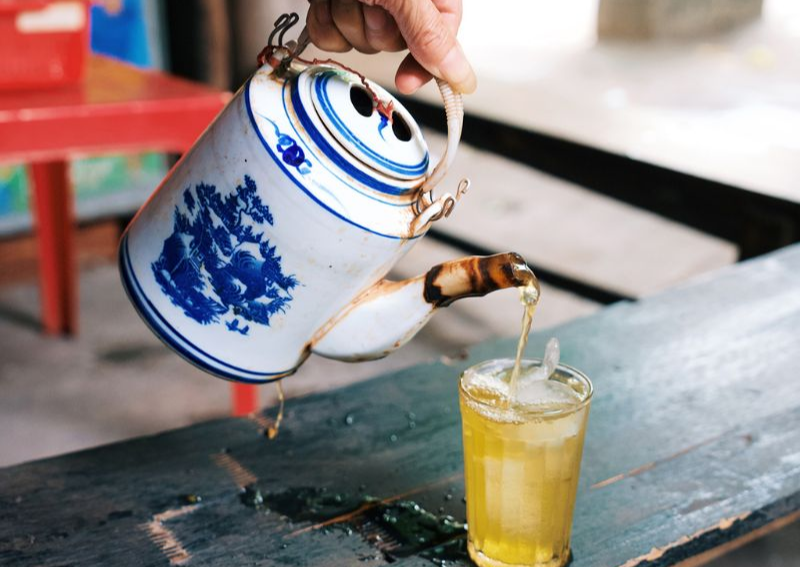
Tra da (Vietnamese iced tea) is the most common drink on Vietnam’s streets. It is strongly brewed tea, typically made from green or jasmine tea leaves and served over ice, and it costs just a few thousand dong, about 3,000 to 5,000 VND (about 0.12 to 0.20 USD) a glass. Many restaurants and street stalls even serve it free or refill it endlessly. Its taste is mild, slightly bitter and very refreshing in the heat.
Tra chanh (Vietnamese lemon tea) is its sharper, more social cousin. It is made with fresh lime or lemon, sugar and tea, and served in a small glass. The drink became a Hanoi youth classic in the late 2000s, and today a glass costs roughly 15,000 to 30,000 VND (about 0.58 to 1.15 USD). Some stalls add kumquat or hand-pound the fruit for extra aroma.
Where to try it: The streets around St. Joseph’s Cathedral are the most famous tra chanh area. Nha Tho, Ly Quoc Su, Nha Chung and Au Trieu streets fill with drinkers in the afternoon and evening. Dao Duy Tu Street in the Old Quarter is another well-known spot.
Nuoc Voi: Voi Leaf Tea
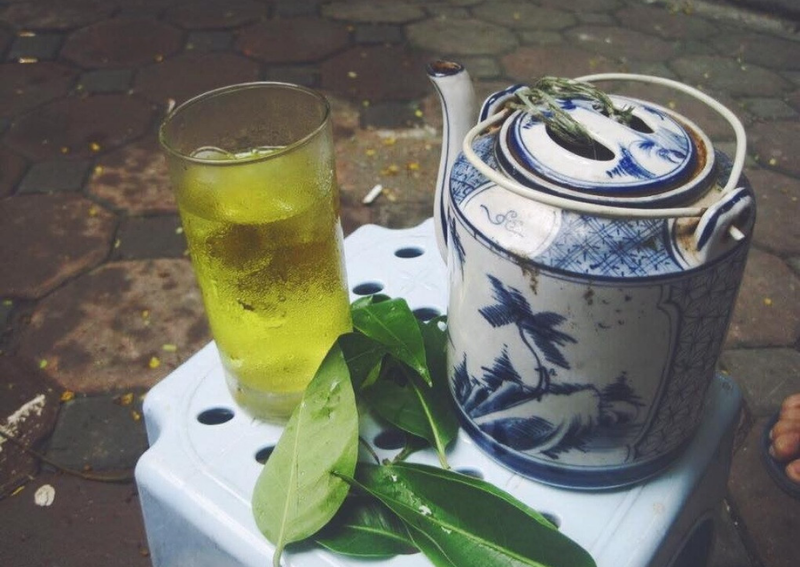
Nuoc voi is a traditional northern drink made by boiling the leaves and buds of the voi tree. It is earthy, slightly bitter and gently sweet in the aftertaste, and is usually served hot or warm from a large kettle.
Locals have long enjoyed nuoc voi as a cooling, soothing drink, and it remains a staple at old-style pavement tea stalls. For visitors, it is a great way to taste something that feels genuinely rooted in northern Vietnam.
Tip: If you find the flavour strong, ask for a little sugar or sip it slowly between nibbles of sweets.
Nhan Tran: Hanoi Sidewalk Tea
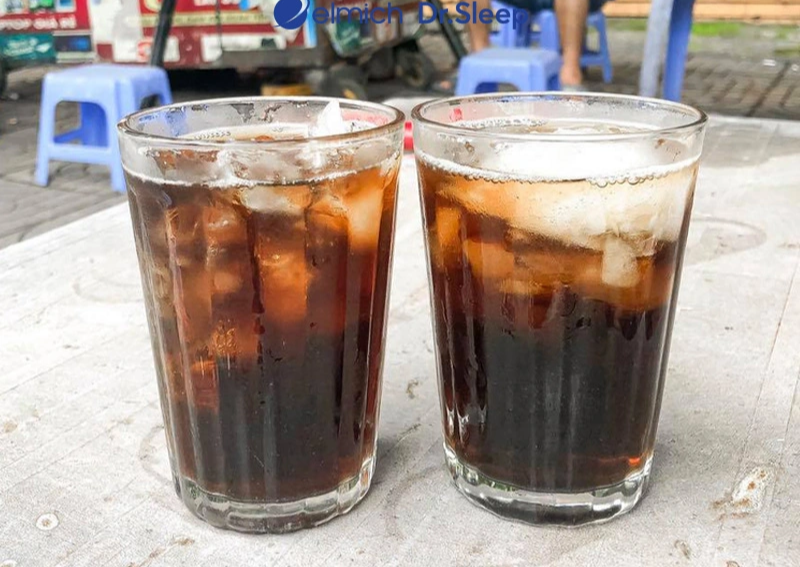
Nhan tran is a herbal tea brewed from a fragrant local plant. It is lightly sweet, with a soft herbal aroma that reminds many people of honey and dried flowers. It can be served warm or over ice and is often one of the cheapest drinks on the menu, sometimes only a few thousand dong a cup.
Traditionally, nhan tran is believed to be cooling and refreshing, which is why it is popular in hot weather. Its gentle flavour makes it an easy first herbal drink to try.
Where to try it: Many traditional sidewalk tea stalls in Hanoi offer it alongside tra da and nuoc voi. Look for stalls with a big kettle and a few glass jars.
Nuoc Mia: Hanoi Sugarcane Juice
Nuoc mia is pressed to order. The vendor feeds fresh cane through a machine and pours the pale green juice over ice. It is sweet, grassy and very cooling, and a glass usually costs around 10,000 to 20,000 VND (about 0.40 to 0.75 USD).
Many vendors add a squeeze of kumquat or lime, which balances the sweetness with a bright citrus note. You can see the whole process at the cart, which makes it a fun stop for photos too.
Tip: Choose a busy cart with fresh cane and a steady stream of customers.
Tra Bat Bao: Eight Treasure Tea
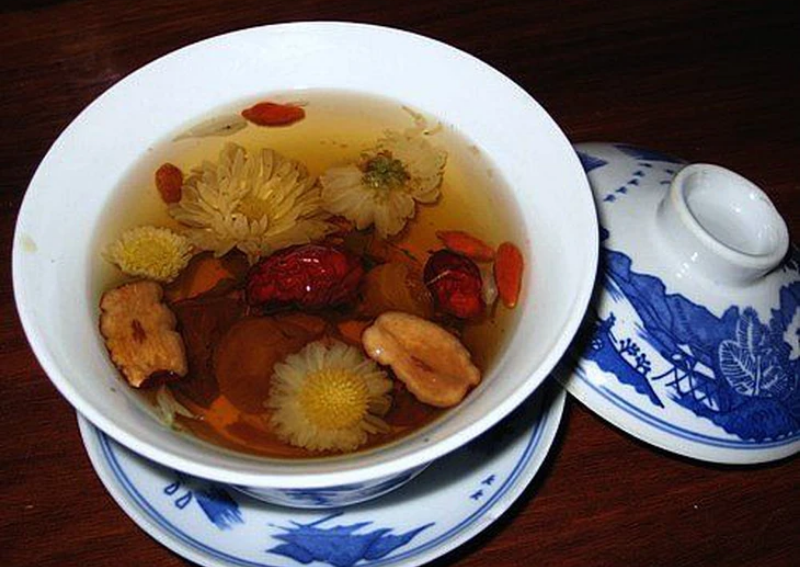
Tra bat bao, or eight treasure tea, is a sweet tea that blends dried fruits, flowers and herbs, often including red dates, longan, goji berries and chrysanthemum, sweetened with rock sugar. It is inspired by Chinese herbal tea traditions and has become a popular street drink across Vietnam’s cities.
It can be served hot or iced, and looks as good as it tastes, with colourful pieces floating in the glass. Many people enjoy it as a gentle, fruity alternative to bubble tea, and it is a favourite on cooler evenings.
Where to try it: Look for street cafes and small tea shops around central Hanoi, where it is often served alongside other herbal teas.
What to Eat with Hanoi Sidewalk Drinks: Sesame Candy, Peanut Candy and Sunflower Seeds
A glass of tea on the pavement is rarely enjoyed alone. Classic companions include:
- Vietnamese sesame candy (keo vung): crunchy, nutty and sweet, a favourite tea-time bite
- Peanut candy (keo lac): chewy or crisp, with roasted peanuts and sugar
- Sunflower seeds: the quintessential sidewalk snack, cracked slowly between sips
- Other small bites: dried fruit, nuts and local sweets sold at nearby stalls
For sweets shopping, the Old Quarter’s Hang Duong Street is known for candies and confectionery, and it is a fun place to pick up gifts to take home.
Where to Find Street Drinks in Hanoi
You will find these drinks all over the city, but a few areas are especially rewarding:
- Around St. Joseph’s Cathedral: Nha Tho, Ly Quoc Su, Nha Chung and Au Trieu streets for tra chanh and snacks
- Dao Duy Tu Street, Old Quarter: a well-known lemon tea spot
- Hoan Kiem Lake and the surrounding streets: carts and stalls for iced tea and sugarcane juice
- Old Quarter side streets: traditional kettle stalls with nuoc voi and nhan tran
Street stalls come and go, so ask your hotel team for current favourites near where you are staying.
Tips for Enjoying Sidewalk Drinks
- Choose busy stalls. High turnover usually means fresher ingredients and ice.
- Start with tra da. It is the cheapest, mildest and most local way to begin.
- Sit on the stool. The experience is as much about the seat as the drink.
- Carry small notes. Sidewalk vendors prefer small bills in dong.
- Ask for less sugar or less ice if you like. Vendors are used to the request.
- Try one new drink a day. The five drinks in this guide make an easy week-long tasting plan.
Where to Stay in Hanoi for a Street Drinks Walk
The best way to enjoy the city’s sidewalk culture is to stay right in the middle of it. Hanoi La Siesta Classic Hang Thung, ranked among the Top 4 Best of the Best Hotels in Vietnam by Tripadvisor, sits in the heart of the Old Quarter, close to Hoan Kiem Lake and within easy reach of Hanoi’s historic streets, local restaurants and cultural attractions. Its location makes it easy to combine daytime sightseeing with unhurried tea stops on the pavement, then an evening stroll through the neighbourhood’s lively lanes.
For travellers comparing the Best hotels in Hanoi, the hotel offers a boutique setting with Vietnamese-inspired interiors, attentive service and a swimming pool, providing a comfortable retreat after exploring the busy Old Quarter. It is also worth considering for those researching the Best Boutique hotels in Hanoi Old Quarter, particularly if your priority is staying within walking distance of the neighbourhood’s historic streets, sidewalk cafes and street food.
From here, a glass of lemon tea, a stroll around Hoan Kiem Lake and a wander through the Old Quarter can easily become one compact itinerary, connecting Hanoi’s traditional culture, food and everyday city life.
Frequently Asked Questions
What are the most popular Vietnamese street drinks?
Tra da (iced tea), tra chanh (lemon tea), nuoc mia (sugarcane juice), nuoc voi, nhan tran and tra bat bao are among the best-known.
How much do Vietnamese street drinks cost?
Iced tea is often 3,000 to 5,000 VND (about 0.12 to 0.20 USD), while lemon tea and sugarcane juice usually cost about 10,000 to 30,000 VND (about 0.40 to 1.15 USD).
Where can I try lemon tea in Hanoi?
The streets around St. Joseph’s Cathedral, including Nha Tho, Ly Quoc Su, Nha Chung and Au Trieu, are the most famous area.
What is nuoc voi?
Nuoc voi is a traditional northern Vietnamese tea made from the leaves and buds of the voi tree. It is earthy and lightly bitter, with a gentle sweet aftertaste.
What is tra bat bao?
Tra bat bao is eight treasure tea, a sweet tea made with dried fruits, flowers and herbs such as red dates, longan, goji berries and chrysanthemum.
What do Hanoians eat with tea?
Sunflower seeds, sesame candy and peanut candy are classic tea-time snacks on the pavement.
Is it safe to drink street tea and juice in Hanoi?
Many visitors enjoy them without problems. Choose busy stalls with fresh ingredients and ice, and use your judgment if you have a sensitive stomach.
Where should I stay in Hanoi to explore street food and drinks?
The Old Quarter is the most convenient base. Hanoi La Siesta Classic Hang Thung is in the heart of the Old Quarter, close to Hoan Kiem Lake and many of Hanoi’s best sidewalk tea spots.