
Vietnam Lunar New Year 2026: Everything You Need to Know – A Guide for International Visitors
Lunar New Year, known locally as Tet, is the most important celebration in Vietnam, a time when daily life slows, families reunite, and centuries-old traditions come alive. For international visitors, Tet offers a rare chance to experience Hanoi at its most meaningful and reflective. This guide helps you understand what Tet is, when it takes place in 2026, what to expect day by day, and how to take part respectfully while enjoying the city at its most soulful.
What is the Vietnam Lunar New Year, and Why is It So Special for Vietnamese People?
Lunar New Year is far more than a holiday: it is a spiritual reset that sets the tone for the entire year ahead. Known as Tet Nguyen Dan, it symbolizes renewal, gratitude, and hope for health, harmony, and prosperity. During this time, family bonds take priority above work, travel, and daily routines, as people return home to reunite with loved ones.
Ancestors play a central role in Tet, believed to return home spiritually to protect and bless the household. Homes are cleaned, altars are prepared, and offerings are made as acts of respect and remembrance. For Vietnamese people, Tet is deeply emotional, a shared cultural core passed down through generations, shaping identity, values, and the rhythm of life itself.
When Is the Vietnam Lunar New Year in 2026?
In 2026, Lunar New Year falls on Tuesday, 17 February 2026. Celebrations officially begin on Lunar New Year’s Eve (16 February 2026), known as Giao Thua, when families gather to welcome the new year at midnight.
Festivities typically last between three and seven days, though preparations start weeks earlier. The first day of Tet is the most sacred, reserved for immediate family and ancestor worship. The following days are dedicated to visiting relatives, temples, and close friends. For visitors, the most atmospheric period is 14-18 February 2026, when Hanoi is beautifully decorated yet gently paced.
The Story Behind Tet
Tet has its roots in Vietnam’s agricultural past, closely tied to the lunar calendar and the cycle of nature. Traditionally, it marked the end of the old farming year and the beginning of a new one – a moment to rest, give thanks, and prepare for renewal.
Over time, Tet evolved into a celebration of family, spirituality, and cultural identity. In Hanoi, Tet carries a distinctly northern character, emphasizing ancestral rituals, traditional cuisine, and quiet reverence. Unlike festive parades on the Lunar New Year Eve’s, Hanoi’s Tet is subtle and intimate, found in incense-filled homes, flower markets, and early-morning temple visits rather than loud public celebrations.
Meaning of Tet Traditions in Hanoi
Every Tet tradition carries symbolic meaning. House cleaning before the new year represents clearing away bad luck and making space for positive energy. Incense offerings invite ancestors to return home and bless the family with protection and guidance.
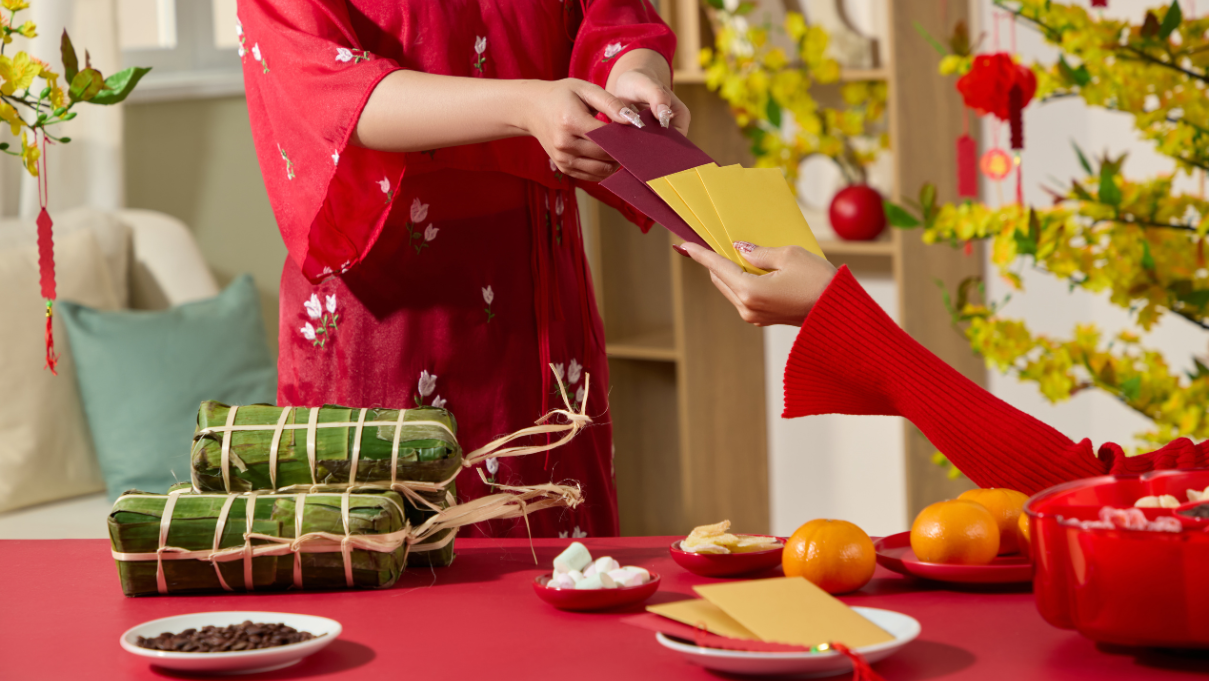
Red and yellow decorations symbolize luck, happiness, and prosperity, while li xi (lucky money) expresses wishes for health and success. More than rituals, these customs offer emotional renewal – a chance to reflect on the past year with gratitude and step into the new one with hope and intention.
How Hanoi Celebrates Lunar New Year
Hanoi celebrates Tet through a blend of quiet rituals and gentle festivities. Flower markets such as Quảng Bá bloom with peach blossoms, kumquat trees, and seasonal flowers symbolizing new beginnings. Homes are decorated, traditional dishes are prepared, and families gather for meaningful meals.
Cultural performances and temple ceremonies take place throughout the city, though celebrations remain family-centered. Rather than crowds and fireworks, Hanoi’s Tet is defined by quiet streets, shared meals, and a sense of heritage that feels deeply personal.
Unique Things to Do During the Lunar New Year in Hanoi
Witnessing a Much Slower Hanoi
On the first day of Tet, Hanoi transforms. Streets are unusually quiet as families stay home for sacred rituals. Walking through the Old Quarter or around Hoan Kiem Lake feels almost meditative, offering a once-a-year atmosphere of stillness and reflection. For photographers and slow travelers, this is a rare opportunity to capture Hanoi unobstructed: calm, intimate, and emotionally rich.
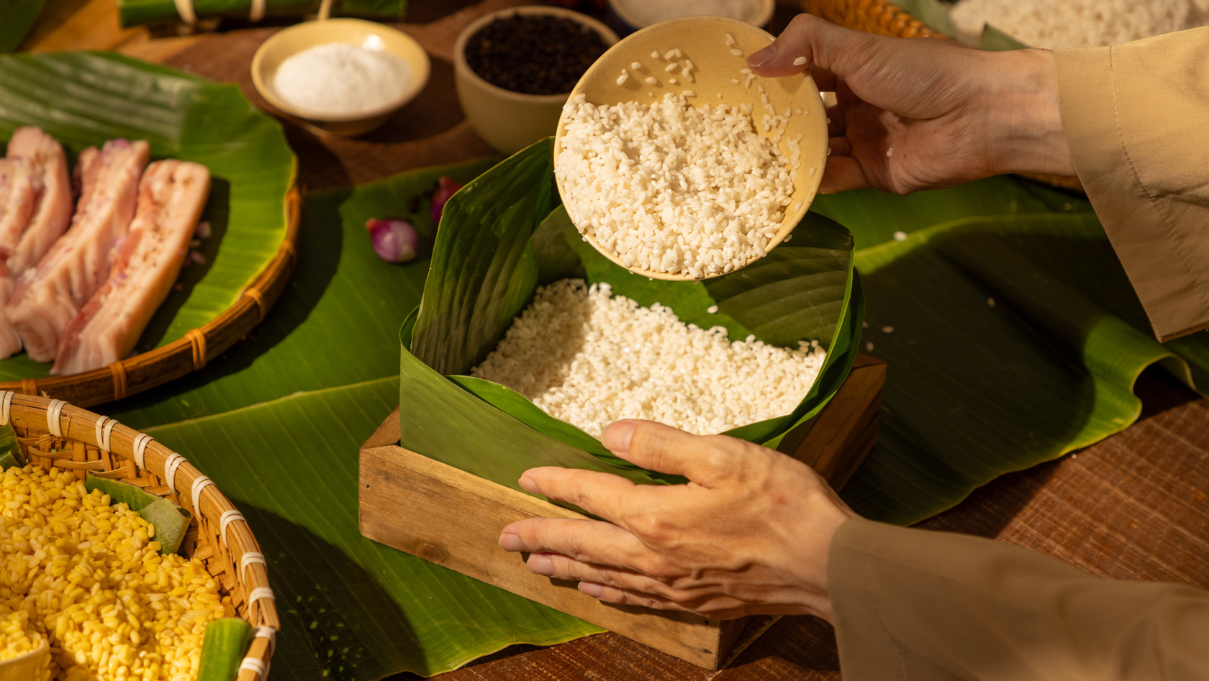
Make Your Own Banh Chung
Banh Chung, the iconic square sticky rice cake, symbolizes the earth and gratitude to ancestors. Making it is a labor-intensive process involving careful wrapping, long boiling hours, and shared effort. Several cultural tours and workshops around Hanoi offer hands-on Banh Chung experiences, typically ranging from USD 30–70 per person, including ingredients and guidance – a meaningful way to understand Tet through tradition.
Visiting Temples
Visiting temples at the start of the year is a long-standing tradition, symbolizing wishes for peace, health, and good fortune. In Hanoi, notable sites include:
- Phu Tay Ho: 52 Dang Thai Mai Street, Tay Ho, Hanoi
- Tran Quoc Pagoda: Thanh Nien Street, Tay Ho, Hanoi
- Quan Thanh Temple: 190 Quan Thanh Street, Ba Dinh, Hanoi
- Bach Ma Temple: 76 Hang Buom Street, Hoan Kiem, Hanoi
Visitors are welcome to observe or participate quietly, making offerings and enjoying the contemplative atmosphere.
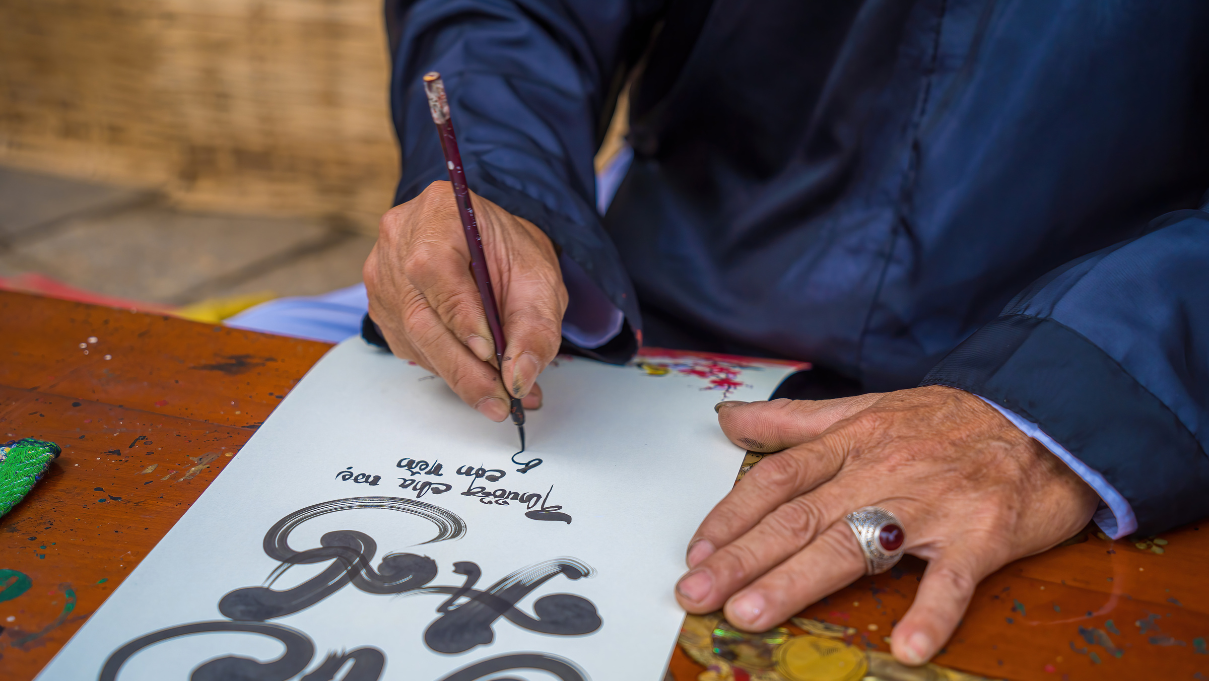
Receiving New Year Calligraphy
Calligraphy during Tet represents blessings for the year ahead, characters for happiness, health, harmony, or success. Watching calligraphy masters write these wishes is a cultural highlight. Popular spots include the Temple of Literature and areas around Hoan Kiem Lake, where visitors can take home a meaningful keepsake.
A Stroll Around Hoan Kiem Lake
During Tet, Hoan Kiem Lake becomes a cultural gathering space. Traditional games, folk music, flower displays, and family activities bring the area to life. It’s an ideal place to experience Lunar New Year celebrations in a welcoming way.
Traditional Vietnamese Attire
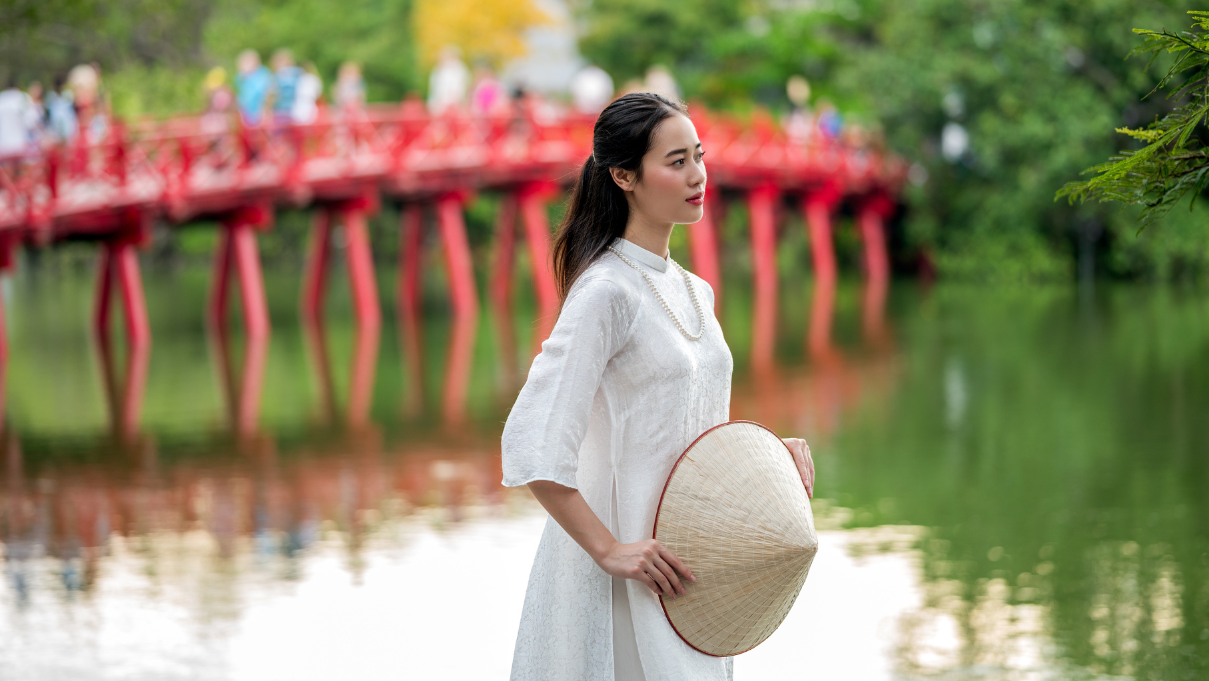
Tet is the time when locals wear ao dai, Vietnam’s traditional dress. Many visitors choose to rent or purchase ao dai for photos at iconic spots such as the French Quarter, Hoan Kiem Lake, or Temple of Literature. Rental shops around the Old Quarter offer short-term options, making it easy to take part respectfully.
Hanoi Weather During Lunar New Year
Lunar New Year usually falls between late January and mid-February, during Hanoi’s cool, humid transition into spring. Average daytime temperatures range from 15–22°C, gradually warming. Drizzle is common, creating a misty, atmospheric backdrop. Visitors should bring umbrellas or light raincoats and dress in breathable layers.
What to Wear During Lunar New Year in Hanoi
Wearing new clothes during Tet symbolizes renewal and good fortune. Locals favor neat, well-prepared outfits in bright or warm colors such as red, yellow, pink, or soft pastels. Dark or worn clothing is generally avoided, especially on the first day. For visitors, combining modest styles with comfortable fabrics shows respect for local customs while allowing easy movement throughout the city.
Hanoi Restaurants Open During Lunar New Year 2026
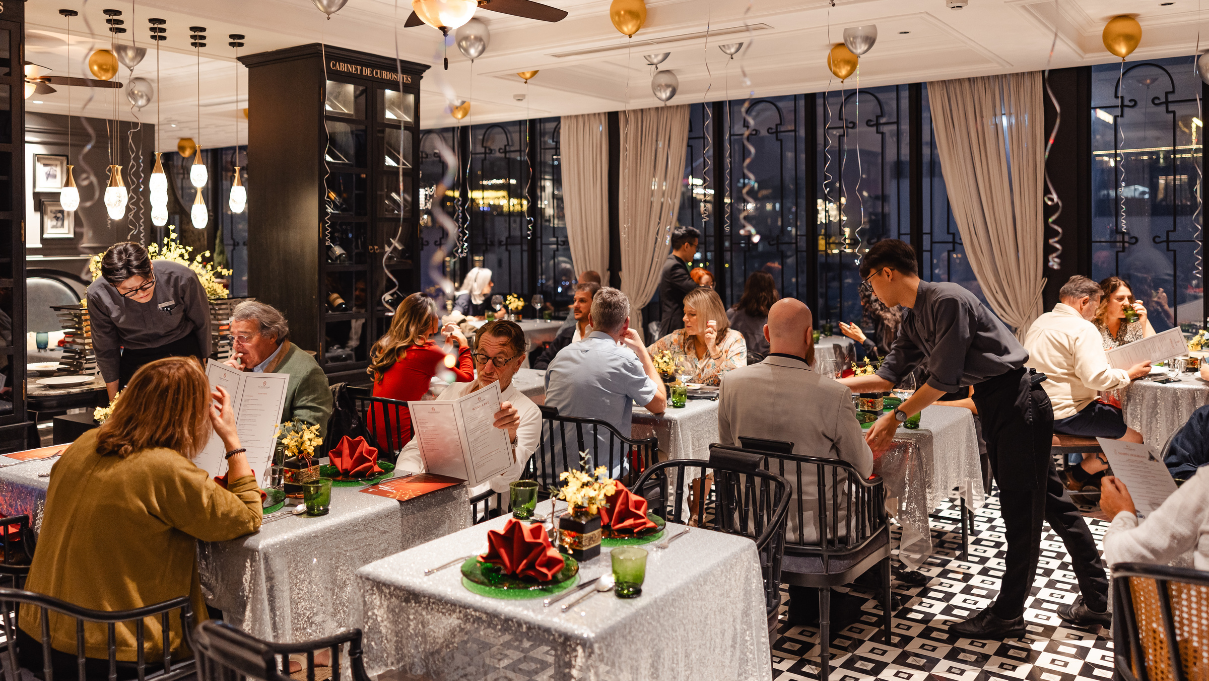
Many family-run eateries close during Tet as residents focus on home celebrations. Planning is essential, especially for New Year’s Eve and the first days of Tet.
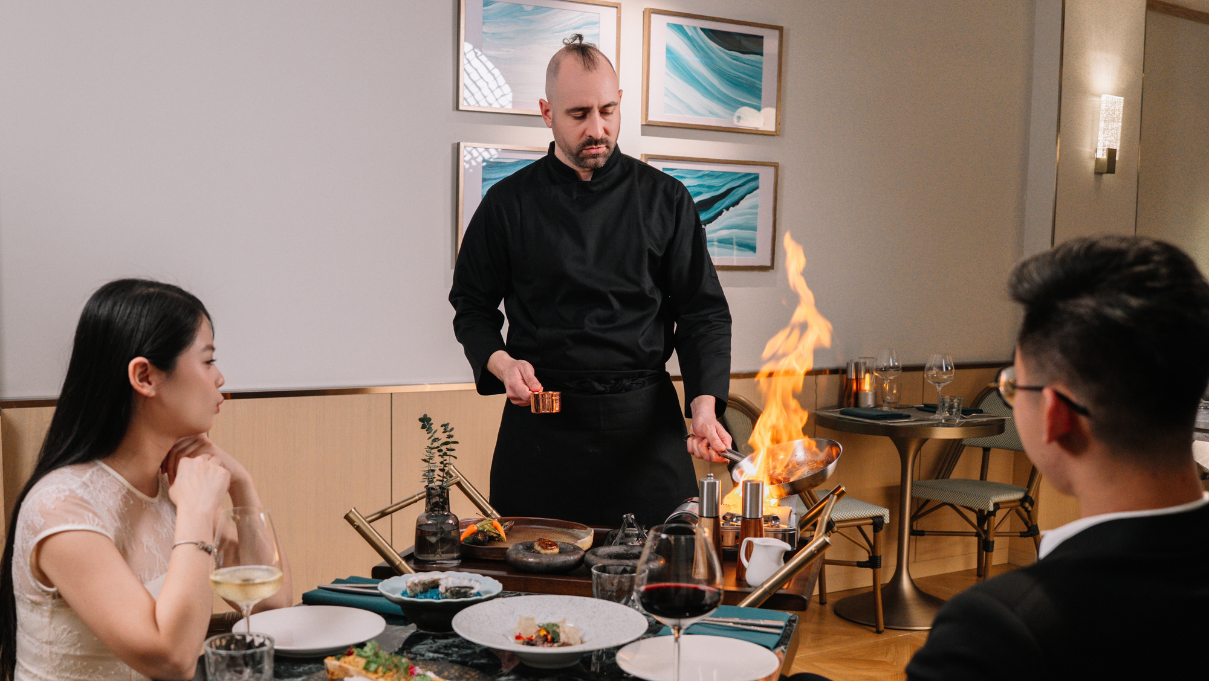
Link Bistro Restaurant Hanoi
Located within Hanoi La Siesta Premium Lakeside, Link Bistro remains open throughout Tet, offering refined dining with dry-aged grills and a relaxed lakeside setting.
Red Bean Central
Part of Hanoi La Siesta Classic Hang Thung, Red Bean Central serves fusion Vietnamese–Western cuisine using local ingredients, open throughout Tet.
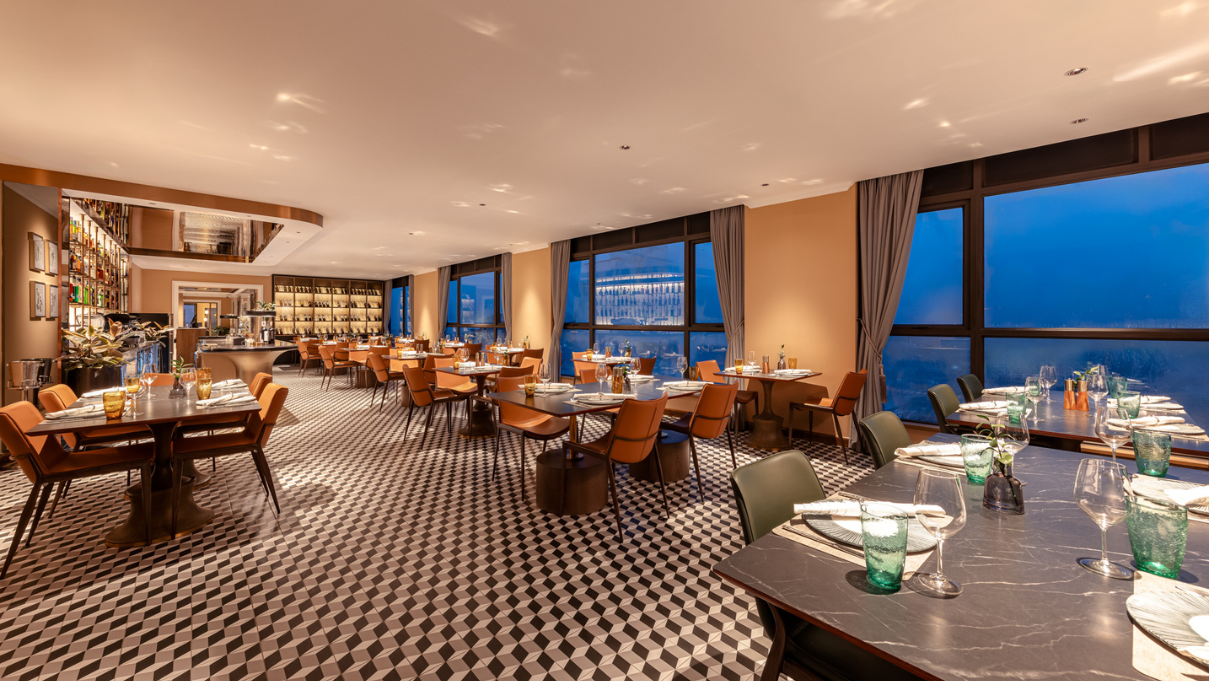
Cloud Nine Hanoi
Part of Hanoi La Siesta Premium Hang Be, Cloud Nine combines fusion cuisine with panoramic views, remaining open during the holiday. Choosing restaurants that remain open allows visitors to enjoy Tet flavors while respecting Hanoi’s family-centered pace.
Practical Travel Tips for Tet 2026 in Hanoi
- Book flights, transfers, and key reservations early
- Expect slower services on the first day of Tet and plan walkable itineraries
- Bring essentials such as medications, umbrellas, and power banks
- Confirm transportation availability and pricing in advance, as options may be limited.
Best Place to Stay in Hanoi During Lunar New Year
Hanoi La Siesta Premium Lakeside, one of Hanoi best boutique hotels, offers a rare balance during Lunar New Year, a prime central location near Hoan Kiem Lake, yet a tranquil retreat from the city’s quieter pace. Close to temples, cultural activities, and walking routes, it allows guests to experience Tet fully while enjoying calm, attentive hospitality.
Book your Tet 2026 stay and let La Siesta hold the calm while Hanoi celebrates.