



Vietnamese Coffee 2026: The Complete Guide to One of the World’s Most Distinctive Coffee Culture
There are places in the world where coffee is simply a drink, and then there is Vietnam. In Hanoi, a cup of coffee is the reason you slow down, the reason you pull up a small plastic stool on the pavement and let the city drift past for an hour. Vietnamese coffee culture is unlike anything you’ll find elsewhere, built around a brewing method, a bean variety, and a set of regional recipes that have developed entirely on their own terms over nearly two centuries. If you drink coffee at home, you will find something here that surprises you. If you don’t, Vietnam might be the place that changes that.
This Vietnamese coffee guide covers everything worth knowing before your first cup: where Vietnamese coffee came from, why it tastes so different from what you’re used to, the most iconic varieties to try, and the best coffee shops in Hanoi to drink them.
Where Vietnamese Coffee Comes From
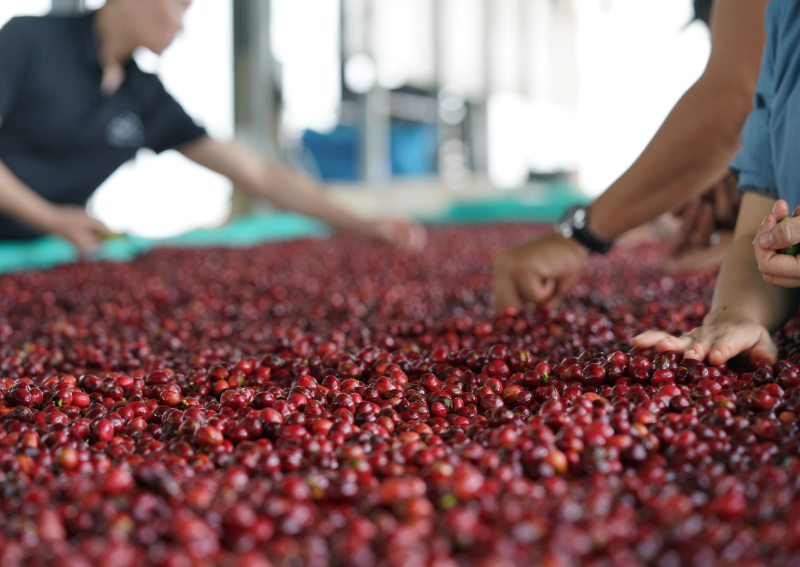
Coffee arrived in Vietnam in 1857, introduced by French missionaries who planted the first arabica trees in the northern highlands. The crop spread quickly across the country’s diverse terrain, and farmers gradually discovered that robusta, a hardier and more productive variety, thrived particularly well in the red basalt soils of the Central Highlands, especially around the Buon Ma Thuot region in Dak Lak Province.
That discovery reshaped the entire trajectory of Vietnamese coffee. Today Vietnam is the second largest coffee producer in the world after Brazil, and the overwhelming majority of what it grows is robusta. The Central Highlands account for most of the country’s output, with the provinces of Dak Lak, Dak Nong, Gia Lai, and Lam Dong all producing beans that are now exported to coffee roasters around the world. Specialty arabica continues to be grown in the cooler, higher elevations of Son La, Lam Dong, and the northern highlands near Sa Pa, but robusta defines Vietnam’s coffee identity both domestically and internationally.
Why Vietnamese Coffee Is Stronger Than Most
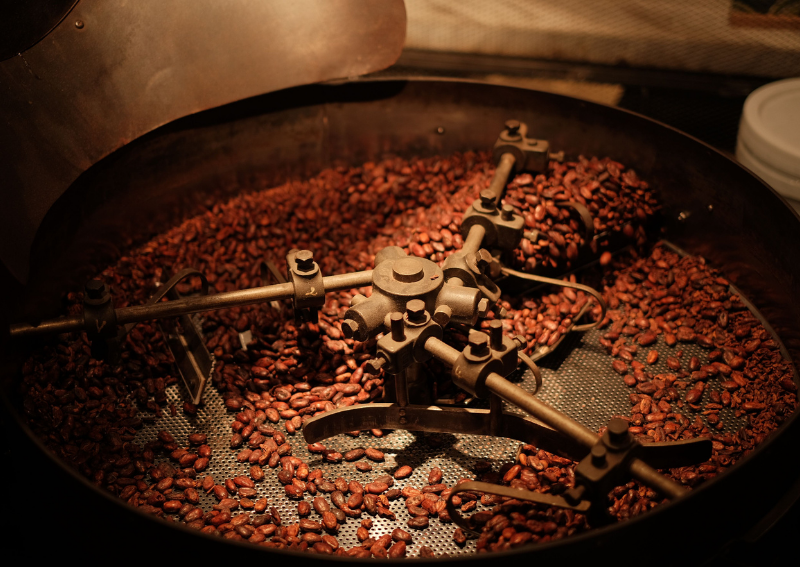
This is the question almost everyone asks after their first Vietnamese coffee, and the answer comes down to two things: bean variety and roasting method.
Vietnam Robusta contains roughly twice the caffeine of arabica, which is the variety most specialty cafes in Europe, North America, and Australia use as their baseline. Robusta is also higher in chlorogenic acids, which give it a sharper, more bitter edge, and lower in the natural sugars that make arabica taste smooth and fruity. On its own, Vietnamese robusta can taste intensely strong, slightly earthy, and quite bitter.
Vietnamese roasters compensate for this with a method borrowed and adapted from the French colonial period: slow-roasting the beans in butter, sugar, and sometimes rum or vanilla, a process that smooths out the harsh edges and introduces a deep, slightly caramelized richness. The result is a coffee that hits harder than almost anything produced elsewhere, but with a rounded flavor profile that makes it genuinely enjoyable rather than simply punishing.
The traditional brewing tool is the phin filter, a small metal drip device that sits on top of the cup. Hot water is added and the coffee drips slowly through, producing a concentrated brew that is then mixed with sweetened condensed milk, poured over ice, or combined with other ingredients depending on the specific drink ordered. The slow drip is not just practical. It’s part of how Vietnamese coffee culture teaches people to sit still for a few minutes.
The Essential Vietnamese Coffee Varieties
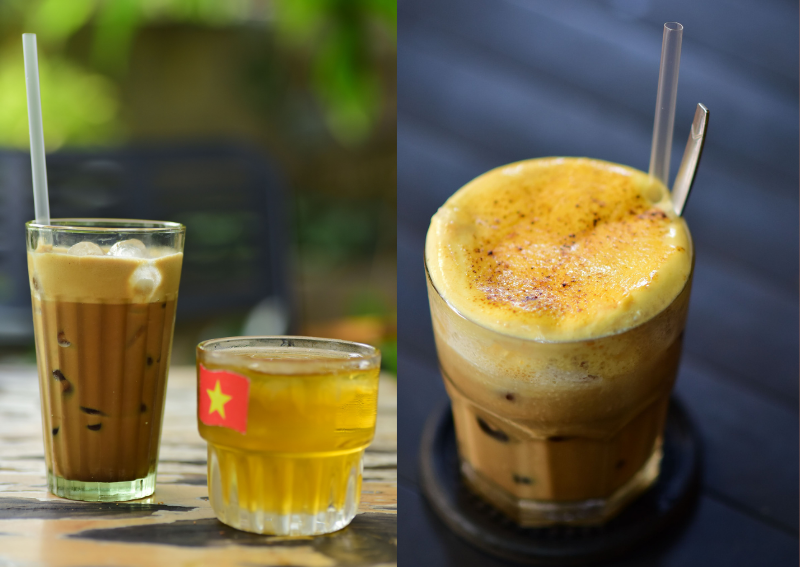
Egg coffee Hanoi
Hanoi’s most famous and most discussed coffee creation. A strong Vietnamese drip coffee is topped with a thick, velvety foam made from whipped egg yolks and sweetened condensed milk, producing something that sits somewhere between a hot dessert and a drink. The texture is custard-like, the flavor is rich and sweet, and the contrast with the bitter coffee underneath is what makes it work. It was invented in 1946 by Nguyen Van Giang, a bartender at the Sofitel Metropole who began experimenting with egg yolks as an alternative to milk cream during wartime shortages, and it has become iconic Hanoi cafe signature. It can be ordered hot or iced.
Iced milk coffee (Ca phe sua da)
The everyday standard and the drink most Vietnamese people reach for first. Strong phin-filtered coffee is mixed with sweetened condensed milk, poured over ice, and stirred at the table. The slow-melting ice dilutes the sweetness gradually as you drink, which is part of why the balance works so well in a hot climate. Bold, sweet, and deeply caffeinated.
Bac xiu
Originally a southern Vietnamese specialty brought north over decades, bac xiu reverses the usual coffee-to-milk ratio, producing a drink that is mostly sweetened condensed milk with a smaller amount of coffee. Sweeter, paler, and considerably lighter in caffeine than ca phe sua da, it’s the preferred choice for those who want the flavor of Vietnamese coffee without the full intensity of the robusta kick.
Salted coffee Vietnam (Ca phe muoi)
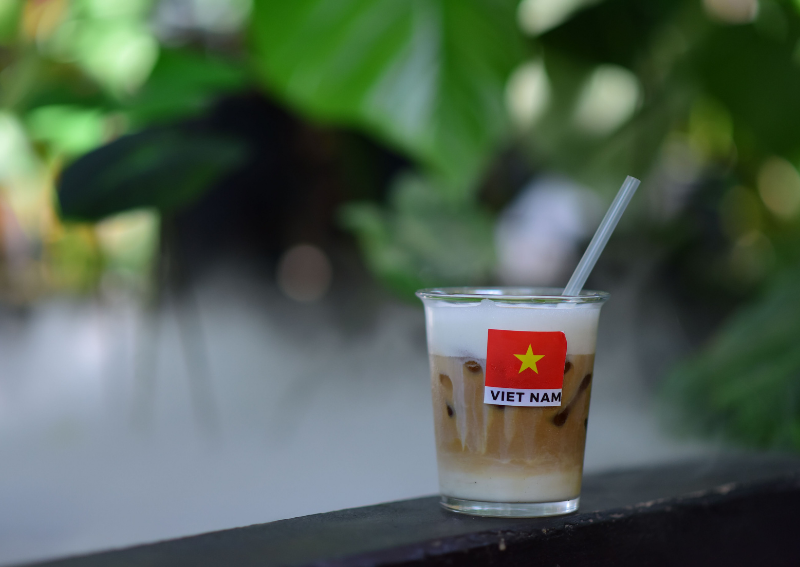
A specialty most closely associated with Hue in central Vietnam, though it has since spread across the country and appeared on menus throughout Hanoi. A small pinch of salt is added to the condensed milk layer, which counterbalances the bitterness of the robusta and brings out the coffee’s natural sweetness in a way that sounds counterintuitive until you taste it. Smooth, slightly savory, and genuinely unlike any other coffee drink.
Coconut coffee Vietnam (Ca phe cot dua)
Made famous nationally by Cong Caphe, coconut coffee blends Vietnamese drip coffee with frozen or blended coconut milk to produce a cold, creamy drink somewhere between a coffee and a dessert smoothie. Refreshing in hot weather and popular enough to have become a standard menu item across the city.
Black coffee (Ca phe den)
The simplest and most traditional option: phin-dripped robusta served straight, black, and without sweetener. Intense, aromatic, and not recommended on an empty stomach. Locals often drink it hot in the morning, though iced black coffee is equally common.
Best Coffee Shops in Hanoi You Should Visit
Hanoi has more cafes per square kilometer in its Old Quarter than almost any city in Southeast Asia, but a few consistently stand out for specific reasons.
Cafe Giang Hanoi
- Address: 39 Nguyen Huu Huan, Hoan Kiem, Hanoi
The birthplace of egg coffee and a mandatory stop for any serious coffee visitor to Hanoi. Founded in 1946 by Nguyen Van Giang himself, the cafe is tucked down a narrow alley off Nguyen Huu Huan Street and reached through a doorway that gives almost no indication of what’s inside. The walls are covered in old photographs, the wooden furniture is original, and the egg coffee is the benchmark against which every other version in the city is measured. Arrive early or at an off-peak hour if you want a seat.
Cafe Pho Co
- Address: 11 Hang Gai, Hoan Kiem, Hanoi
Genuinely one of the most atmospheric places to drink coffee in Hanoi, and also one of the easiest to miss. Hidden behind a silk shop on Hang Gai Street, visitors pass through two floors of the store before emerging onto a rooftop terrace directly overlooking Hoan Kiem Lake. The egg coffee here is excellent, and the view across the lake from above makes it worth the somewhat theatrical entry route.
Cong Caphe
- Multiple Old Quarter locations make it one of the easiest places in the neighborhood to find.
A Hanoi institution now with branches across Vietnam, Cong Caphe built its reputation on a very specific aesthetic: retro Vietnamese military memorabilia, olive-drab staff uniforms, and communist-era design elements displayed without irony. Its coconut coffee is the drink most associated with the brand and is worth ordering regardless of how you feel about the decor.
The Note Coffee
- Address: 64 Luong Van Can, Hoan Kiem, Hanoi
Situated directly across from Hoan Kiem Lake on Luong Van Can Street, The Note Coffee covers every available surface in sticky notes left by visitors from around the world, a tradition that has been running long enough to create several layers of paper on the walls. The coffee is solid and the location could hardly be better for watching lake-side street life while you drink.
Tranquil Book and Coffee
One of the most recommended spots for anyone who wants a quieter, less tourist-heavy experience. Communal tables, a wall of Vietnamese and English books available to read or purchase, strong Wi-Fi, and reliable power outlets make it popular with digital nomads and independent travelers who want to slow down for a few hours. The salt coffee here is particularly well made.
Nguyen Huu Huan Street (Hanoi Coffee Street)
Less a single cafe and more a full coffee destination in its own right. This street in the Old Quarter is lined with independent coffee shops covering the full range of Vietnamese coffee styles, from traditional phin-drip setups to modern specialty roasters. Worth walking the full length before choosing where to sit, especially if you want to compare approaches to the same drink across several different spots.
A Few Practical Tips Before You Order
Vietnamese coffee is typically drunk hot in the morning and iced in the afternoon. If you order hot and the weather is warm, you may find the phin filter takes five to eight minutes to finish dripping, which is part of the ritual rather than a problem. Stir the condensed milk up from the bottom of the glass before drinking ca phe sua da, since it settles during the drip process.
Many cafes in the Old Quarter also serve canned or bottled Vietnamese coffee to take away, but the quality difference between those and a freshly dripped phin cup is significant. Always go for the freshly prepared version if you have the choice.
Coffee prices across Hanoi are extremely reasonable by international standards, typically ranging from 25,000 to 70,000 VND (approximately 1 to 3 USD) depending on the venue and the drink.
Where to Stay for the Full Hanoi Coffee Experience
The best way to explore Hanoi’s coffee culture is unhurriedly, with no particular schedule and no pressure to be anywhere by a specific time. That kind of trip depends on where you base yourself, and the area around Hoan Kiem Lake sits at the center of almost everything described in this guide.
Hanoi La Siesta Premium Lakeside is the kind of base that makes a Hanoi coffee trip feel exactly as good as it should. Consistently ranked among the best hotels in Hanoi, it places you within easy walking distance of Cafe Giang on Nguyen Huu Huan Street, Cafe Pho Co above Hang Gai, The Note Coffee on Luong Van Can, and the lake itself, meaning your morning coffee run requires nothing more than a short walk through the Old Quarter in whatever direction feels right that day.
Recognized as one of the best boutique hotels in Hanoi French Quarter, La Siesta Premium Lakeside combines thoughtfully designed interiors with the kind of attentive service that lets you leave the logistics of the day to someone else and focus on the more important task of finding the best egg coffee in the neighborhood. Whether you start the morning at the lake before your first phin drip, or end an afternoon of cafe-hopping with a walk along the water before dinner, having a base this well positioned means the city’s coffee culture is always immediately accessible rather than something that requires planning to reach.