



Hanoi Liberation Day 2026: The Story Behind October 10 and Where to Feel It Today
Every year on October 10, red flags and fresh flowers fill the streets of Hanoi as the city marks one of the most significant dates in Hanoi history: Ngay Giai Phong Thu Do, or Hanoi Liberation Day. For travelers who happen to be in the city around this date, understanding what it commemorates adds real depth to a visit, connecting the calm lake walks and busy Old Quarter streets of today to a moment that reshaped the capital nearly seven decades ago.
The History Behind Hanoi Liberation Day – A Vietnam History
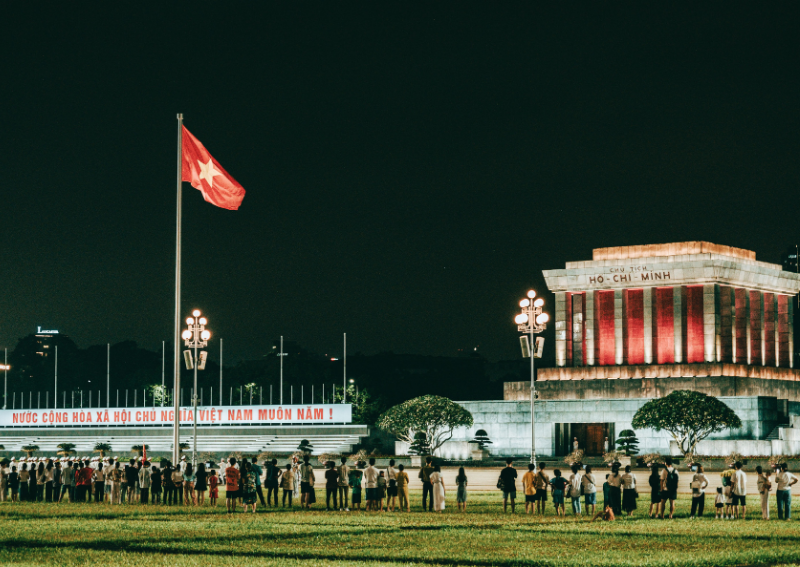
Hanoi Liberation Day commemorates October 10, 1954, the day Vietnamese forces officially reclaimed control of Hanoi from French colonial rule, marking the end of nearly a century of French presence in the city and the close of the First Indochina War.
The lead-up to this moment began months earlier with the decisive Vietnamese victory at the Battle of Dien Bien Phu, which forced France to the negotiating table. The resulting Geneva Accords set out a formal transition process, and by late September 1954, Vietnamese municipal and military administrative committees had already begun preparing to take over the city’s governance.
The handover itself unfolded with remarkable order and calm: despite fears that the retreating French administration might damage infrastructure or disrupt daily life on the way out, the transfer of the city proceeded smoothly, and everyday life for residents continued largely undisturbed even as the political transition took place.
On the morning of October 10, 1954, columns of soldiers marched into the city to jubilant crowds lining the streets, and by the end of the day the national flag was raised over the flagpole at the Hanoi Citadel, a moment that has since become one of the defining images of the occasion. For a city whose recorded history stretches back to 1010, when King Ly Thai To first established it as the capital, this event represented not just a military victory but the reopening of a new chapter for one of Vietnam’s oldest and most storied cities.
How Hanoi Celebrates Liberation Day Today – Hanoi Travel Guide
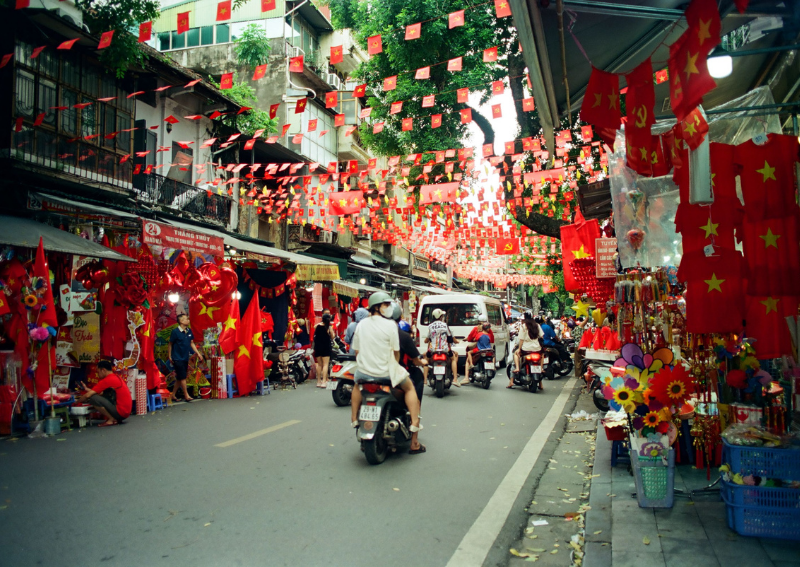
Flags and decorations across the city: red flags with the yellow star line major streets, bridges, and public buildings throughout early October
Ceremonies and wreath-laying: official commemorations are held at historic sites tied to the events of 1954, often attended by veterans and local officials
Cultural and arts programs: museums, theaters, and public spaces around the city host exhibitions, film screenings, and performances reflecting on Hanoi’s history
A citywide sense of pride: many residents describe the date as a quieter, more reflective national observance compared to the festive energy of Tet, but one that carries deep local significance
For visitors, the atmosphere around Liberation Day tends to be visible rather than disruptive, expressed through flags, banners, and a noticeably festive backdrop across the Old Quarter and around Hoan Kiem Lake, rather than large-scale parades that would affect a typical day of sightseeing.
Where to Visit in Hanoi Around Liberation Day – Hanoi Cultural Experience
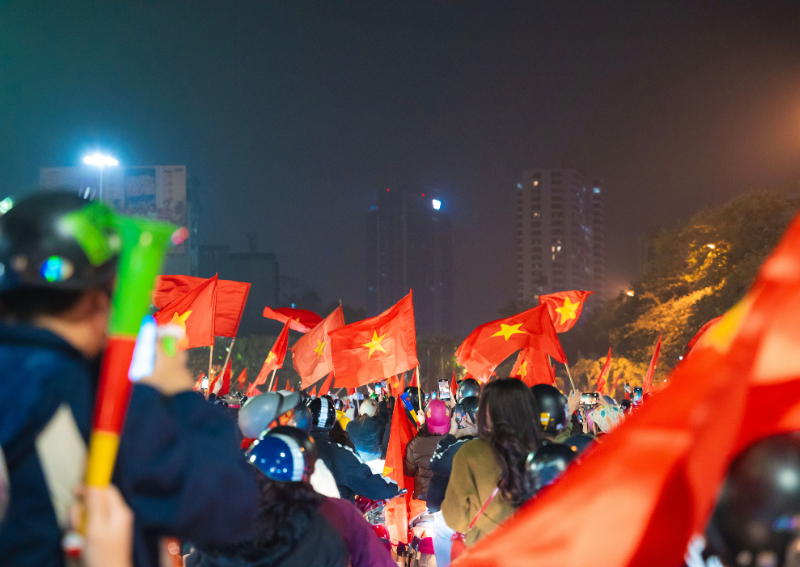
Hoan Kiem Lake
Hoan Kiem Lake remains the natural gathering point for the city during almost any national occasion, and its surrounding promenade is often especially well decorated in the days around October 10, making an early morning or evening walk here a good way to take in the atmosphere.
The Hanoi Citadel (Hoang Thanh Thang Long)
The Hanoi Citadel (Hoang Thanh Thang Long), a UNESCO World Heritage Site, holds direct historical relevance to Liberation Day, since it was here that the flag-raising ceremony took place in 1954. The site’s exhibitions on Vietnamese history make it a meaningful stop for travelers wanting context beyond a plaque or a date.
Ba Dinh Square
Ba Dinh Square, the political heart of the city and the site of Vietnam’s declaration of independence, is another location closely tied to the broader story of the nation’s twentieth-century history, and it sits within easy reach of several of Hanoi’s most visited landmarks.
Vietnam Military History Museum
The Vietnam Military History Museum offers a deeper dive into the events of the First Indochina War and the Dien Bien Phu campaign that led directly to the 1954 handover, with artifacts and displays that help contextualize the significance of the date for visitors less familiar with the period.
Hanoi Old Quarter
The Old Quarter itself, with its French colonial-era architecture sitting alongside centuries-old Vietnamese shophouses, offers a physical reminder of the two eras this date bridges, making a simple walking exploration one of the most accessible ways to absorb the layered history of the city.
Where to Stay in Hanoi to Enjoy It All
Consistently recognized among the best boutique hotels in Hanoi French Quarter for its combination of location, design, and service, Hanoi La Siesta Premium Lakeside puts guests within easy reach of the historic sites, museums, and lakeside promenades that carry the most meaning around Liberation Day. It sits a 5 to 10 minute walk from Hoan Kiem Lake, close enough to fold a stroll past the flag-lined streets into a morning walk without much planning, and near enough to the Hanoi Citadel and Ba Dinh Square to reach the city’s most historically significant sites within a short taxi ride.
Recognized for offering the kind of thoughtfully managed stay that complements a history and culture focused trip rather than competing with it for attention, Hanoi La Siesta Premium Lakeside is a well-considered retreat to return to after the museum visits, the lakeside walks, and a day spent tracing the story of how the city came to look the way it does today. For travelers comparing the best hotels in Hanoi, its central location and calm, characterful interiors make it a practical base for exploring the capital’s layered past at an unhurried pace.