



Vietnamese Traditional Desserts 2026: A Sweet Guide to Hanoi’s flavors
Why Vietnamese Traditional Desserts Deserve a Place on Every Traveler’s Itinerary
Most first-time visitors to Vietnam arrive with pho, banh mi, and bun cha already on their must-eat list. Far fewer arrive knowing about the country’s rich, centuries-old dessert culture, and that is one of the most pleasant surprises Hanoi has in store. Vietnamese sweets are nothing like the rich, sugar-heavy desserts familiar to travelers from Europe, North America, or Australia. They are light, fragrant, often served cold or warm depending on the season, and built around ingredients that reflect Vietnam’s tropical climate and agricultural heritage: mung beans, coconut, lotus seeds, sticky rice, fresh ginger, and pandan leaf.
For travelers exploring Hanoi Old Quarter and Hanoi French Quarter, dessert hunting is not just a way to satisfy a sweet tooth. It is a genuine cultural experience, often taking place on a tiny plastic stool on a street corner, surrounded by locals who have been visiting the same vendor for decades. This guide walks through the history and flavor profile of Vietnam’s most beloved traditional desserts, and points you toward the specific stalls and shops in central Hanoi where you can try them for yourself.
A Brief History of Vietnamese Dessert Culture
Vietnamese dessert culture developed over centuries of agricultural tradition combined with successive waves of outside influence. Long before refined sugar was widely available, Vietnamese cooks relied on naturally sweet ingredients such as sticky rice, ripe fruit, coconut, and palm sugar to create simple sweet dishes served at festivals, weddings, and ancestor worship ceremonies.
The category of desserts known collectively as che, a broad term covering sweet soups, puddings, and chilled beverages made with beans, fruit, and coconut milk, has roots stretching back to rural Vietnamese kitchens, where surplus mung beans, rice, and tubers were transformed into nourishing sweet snacks that could be sold cheaply in local markets.
French colonial influence, which shaped so much of Hanoi’s architecture and culinary landscape from the late 19th century onward, also left its mark on Vietnamese desserts. Custards, flans, and the use of egg-based sweets in Vietnamese cuisine trace directly back to this period, eventually blending with local ingredients to create distinctly Vietnamese hybrid desserts found nowhere else in the world.
Hanoi in particular holds a special place in this story. As the cultural and political capital of northern Vietnam for nearly a thousand years, the city has preserved many dessert recipes and preparation methods that have either disappeared or evolved significantly elsewhere in the country, making it one of the very best places in Vietnam to explore traditional Vietnamese sweets in their most authentic form.
TheVietnamese Traditional Desserts to Try in Hanoi
Che (Vietnamese sweet soup)
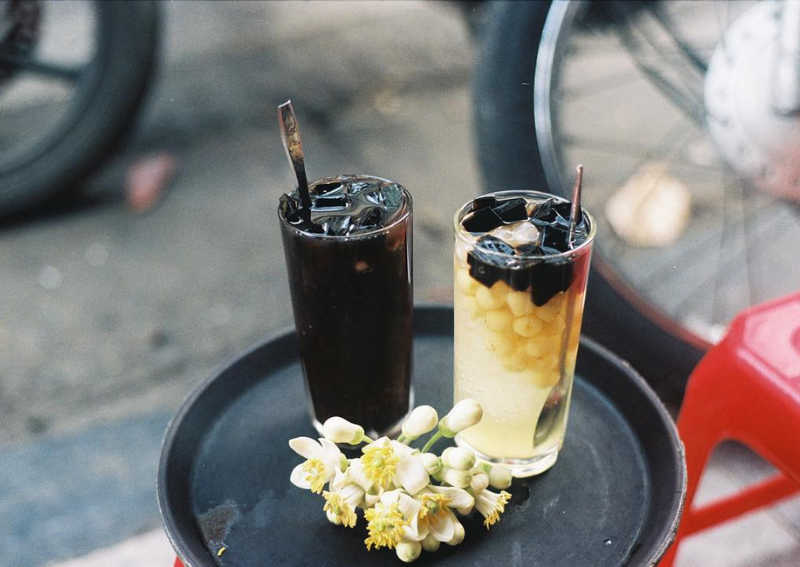
Che is less a single dish and more an entire category, with dozens of regional variations served across Vietnam. In its most common form, che combines cooked mung beans, black beans, or red beans with coconut milk, sugar, and sometimes tapioca pearls, jackfruit, or lotus seeds, served either warm in cooler months or over crushed ice during Hanoi’s hot, humid summers.
The flavor is mild, naturally sweet, and far less heavy than Western desserts. Coconut milk adds richness while the beans provide a satisfying, slightly earthy texture. Many varieties also include a layer of crushed ice and a drizzle of condensed milk, creating something between a dessert and a refreshing drink.
Banh Com Hanoi (Young Rice Cake)
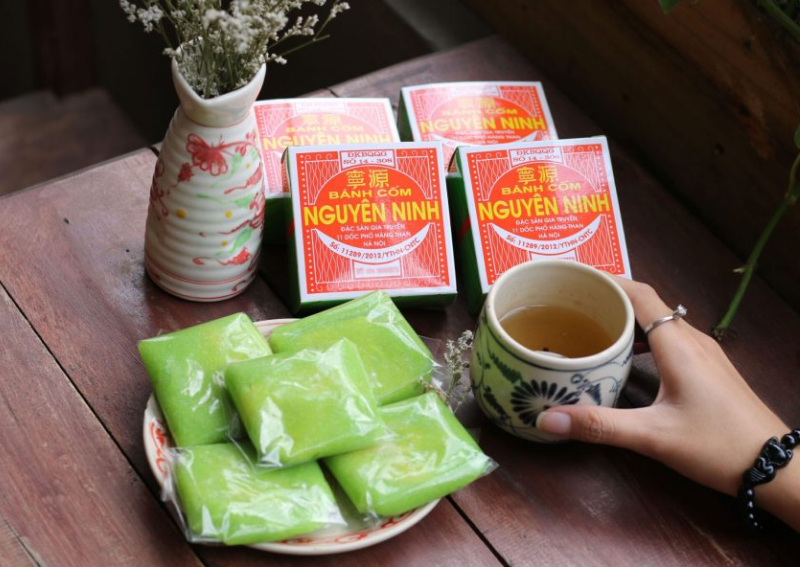
A specialty closely associated with Hanoi, banh com is made from young green sticky rice that is flattened, dyed a natural green color, and wrapped around a sweet filling of mashed mung beans and shredded coconut. The result is soft, slightly chewy, and delicately fragrant, with a flavor that is subtle rather than intensely sweet. Banh com is traditionally given as a gift during weddings and engagement ceremonies and remains one of the most distinctly Hanoian sweets in all of Vietnam.
Banh Khuc (Mugwort Sticky Rice Cake)
This humble but beloved street snack consists of sticky rice steamed around a savory filling of mung bean paste and fatty pork, with a layer of mugwort leaf paste giving the rice its distinctive green color and herbal aroma. While technically savory rather than sweet, banh khuc occupies the same street food territory as Hanoi’s sweet snacks and is frequently sold from the same carts in the early morning and evening hours.
Che Sen Hanoi (Lotus Seed Sweet Soup)
A more refined version of che, this dessert features whole lotus seeds cooked until tender in a light sugar syrup, sometimes paired with longan fruit. Lotus seeds carry a delicate, slightly nutty flavor and a pleasingly firm texture, and the dish is traditionally associated with the lotus ponds that once surrounded much of old Hanoi. Che Sen Hanoi is considered one of the more elegant and refreshing options among Vietnamese sweet soups.
Banh Gio meets Sweet Pairings: Trang Den (Black Sesame Sticky Rice Balls)
Trang den are small, chewy glutinous rice balls coated in roasted black sesame and sugar, often filled with a sweet mung bean or sesame paste center. They are commonly eaten as a warming snack during Hanoi’s cooler months and have a nutty, toasted flavor that pairs beautifully with Vietnamese green tea.
Kem (Vietnamese Ice Cream and Sorbet)
While not unique to Vietnam, Hanoi has its own deeply rooted ice cream tradition dating back to French colonial influence. Traditional Hanoian kem is simpler and less sweet than Western ice cream, often served in a small cup or wrapped in a thin wafer, with classic flavors including coconut, durian, taro, and green tea sitting alongside more familiar options like chocolate and vanilla.
Where to Find the Best Traditional Desserts in Hanoi Old Quarter
Che Bon Mua (Four Seasons Che)
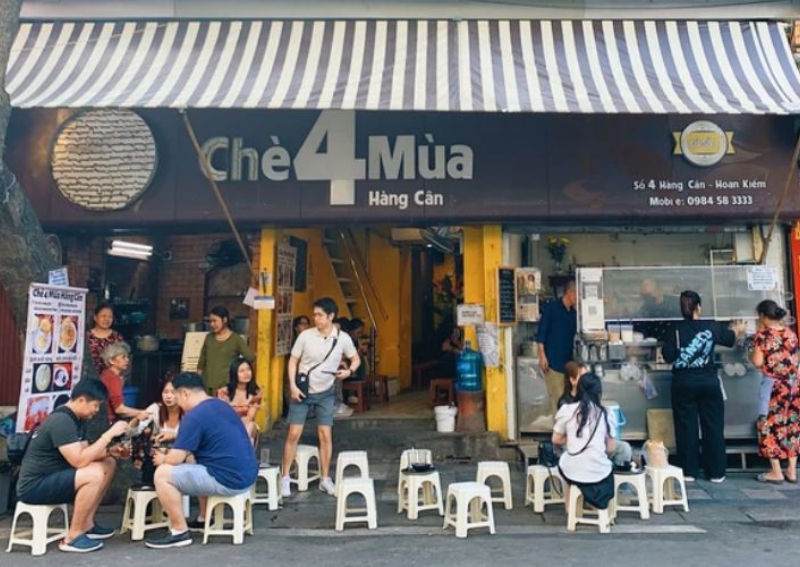
Located on Hang Can Street at the edge of the Old Quarter, this long-running che shop is one of the most recommended spots among both locals and international visitors for trying multiple varieties of che in one sitting. The shop typically offers a wide selection ranging from mung bean and coconut che to more elaborate combinations layered with jelly, fruit, and crushed ice. It gets busy in the late afternoon and evening, particularly during the hot summer months, and seating is simple street-side style, which only adds to the authentic atmosphere.
Banh Com Nguyen Ninh
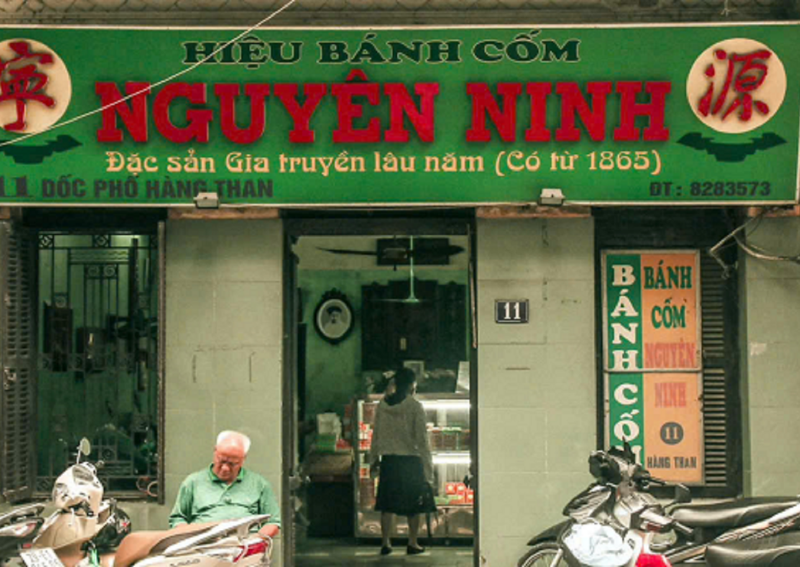
For travelers wanting to try the iconic Hanoi specialty banh com in its most traditional form, this long-established shop on Hang Than Street near the Old Quarter has been making the green rice cakes using time-honored methods for generations. The shop is well known among Hanoians as a trusted source, particularly around wedding season when demand for banh com surges. Visitors can purchase small boxes to sample on the spot or take away as a genuinely unique edible souvenir.
Pho Co Che and Street Vendors Around Hang Bac and Hang Dao
Beyond dedicated dessert shops, much of the Old Quarter’s sweet food culture lives on the streets themselves. Walking along Hang Bac, Hang Dao, and the surrounding lanes in the late afternoon, travelers will encounter small mobile carts and seated vendors selling che, trang den, and seasonal sweet snacks directly from baskets or simple stalls. This is some of the most affordable and authentic dessert tasting available anywhere in Hanoi, typically costing between 10,000 and 25,000 VND per serving.
Where to Find the Best Traditional Desserts in Hanoi French Quarter
Fanny Ice Cream
Set within the elegant, tree-lined streets of the French Quarter near the Hanoi Opera House, Fanny is a long-established ice cream parlor founded through a French-Vietnamese partnership, known for blending traditional French ice cream technique with distinctly Vietnamese flavors such as lotus seed, ginger, and green tea. The setting itself, a refined cafe interior reflecting the colonial architecture of the surrounding neighborhood, makes it a pleasant stop for travelers exploring the French Quarter’s grand boulevards.
Kem Trang Tien Style Outlets Near Trang Tien Street
While the original Kem Trang Tien stands at the boundary between the Old Quarter and French Quarter, its influence and several related outlets extend along Trang Tien Street itself, a key French Quarter boulevard connecting Hoan Kiem Lake to the Hanoi Opera House. This is one of the most iconic ice cream destinations in the entire city, beloved by generations of Hanoians, and a classic stop for travelers walking between the lake and the Opera House area. Expect simple, affordable cups and wafer-wrapped scoops in classic Vietnamese flavors, often enjoyed standing on the sidewalk alongside locals of every age.
Cafe Pho Co Tea House Sweets, Near Hoan Kiem Lake
Just steps from Hoan Kiem Lake on the edge of the French Quarter, this historic, multi-level tea house is best known for its egg coffee, but its menu also features traditional Vietnamese sweet snacks suited to a relaxed afternoon. The rooftop terrace overlooking the lake makes it an especially pleasant setting in which to pair a pot of lotus tea with something sweet while taking in one of the best views in the city center.
Tips for Enjoying Vietnamese Desserts Like a Local
- Best time of day: Many che vendors are busiest in the late afternoon, between 3:00 PM and 6:00 PM, which is the traditional time for a sweet snack break in Vietnamese daily life. Ice cream and kem stalls, by contrast, are popular throughout the evening, especially after dinner.
- Seasonal variation: Hot che served over crushed ice is the standard order during Hanoi’s humid summer months from May to September, while warm che and sticky rice based sweets such as trang den are more commonly sought out during the cooler winter months from November to February.
- Pricing: Traditional desserts purchased from street vendors and small local shops typically cost between 10,000 and 35,000 VND, making dessert exploration one of the most affordable culinary activities available to travelers in Hanoi.
- Etiquette: Street-side dessert stalls often use small plastic stools and low tables. This is a completely normal and beloved part of the experience, not a sign of a lesser establishment. Some of the most celebrated dessert shops in Hanoi have no formal seating at all beyond a few stools on the pavement.
- Dietary notes: Most traditional Vietnamese desserts are naturally dairy-free, relying on coconut milk rather than cow’s milk, which makes them a good option for travelers avoiding dairy. However, many do contain gluten through sticky rice preparations, and ice cream and custard-based sweets influenced by French technique will contain dairy and eggs.
Other Things to Do Around the Old Quarter and French Quarter
A dessert-focused walking route through central Hanoi naturally passes by many of the city’s most important landmarks. Hoan Kiem Lake sits at the meeting point of both quarters and is worth circling at least once, ideally in the early morning when locals gather for tai chi, badminton, and quiet conversation along the water. The Hanoi Opera House, a striking example of French colonial architecture completed in 1911, anchors the French Quarter and is within walking distance of several dessert stops mentioned above. St. Joseph’s Cathedral, the Old Quarter’s atmospheric maze of merchant streets, and the bustling Dong Xuan Market are all easily combined into a single afternoon of walking, eating, and exploring.
Where to Stay for the Best Hanoi Dessert and Sightseeing Experience
The name says it: Lakeside. Hanoi La Siesta Premium Lakeside is located in Hanoi French Quarter, within one minute’s walking distance of Hoan Kiem Lake and positioned at the crossroads of everything the city center has to offer, including the very Old Quarter and French Quarter streets covered in this guide.
This is the hotel that travelers exploring Hanoi’s dessert culture and historic quarters are looking for, whether they know it by name or not. Staying at one of the best hotels in Hanoi French Quarter means being able to wander out for an afternoon che break, stroll to Trang Tien Street for ice cream after dinner, and still be back at the lake in time for sunset, all without ever needing a taxi.
Consistently ranked among the best boutique hotels in Hanoi, La Siesta Premium Lakeside puts you within a 5 to 8 minute walk of the lake’s southern bank, close enough to arrive for the 6:00 AM morning tai chi scene without rushing, and close enough to wander back after an evening of dessert hunting through the Old Quarter without worrying about transport.
For travelers who want their Hanoi trip to feel less like a checklist and more like genuine discovery, one street food stall, one che shop, and one quiet lakeside walk at a time, this kind of central, walkable location makes all the difference.
Frequently Asked Questions
What is che in Vietnamese cuisine?
Che is a broad category of traditional Vietnamese sweet soups, puddings, and chilled desserts typically made with beans, coconut milk, fruit, and sometimes tapioca or jelly. It is one of the most popular and widely available traditional desserts throughout Vietnam.
What is the most famous Hanoi dessert?
Banh com, a green sticky rice cake filled with sweet mung bean paste, is widely considered one of Hanoi’s most iconic and distinctive traditional sweets, closely tied to the city’s wedding and gift-giving traditions.
Are Vietnamese desserts very sweet?
Generally no. Compared to Western desserts, Vietnamese traditional sweets tend to be lighter and less intensely sugary, relying on natural ingredients such as coconut milk, beans, and fruit rather than refined sugar and cream.
Where can I try traditional desserts near Hoan Kiem Lake?
Several excellent options sit within walking distance of Hoan Kiem Lake, including ice cream shops along Trang Tien Street and tea houses near the lake’s edge that serve traditional sweet snacks alongside Hanoi’s famous egg coffee.
Is it safe to eat street food desserts in Hanoi?
Yes, with the same common-sense precautions that apply to any street food. Choosing busy vendors with high turnover, where ingredients are freshly prepared throughout the day, is the best way to ensure a safe and enjoyable experience.