

Áo Dài: Vietnam Traditional Costume and Where to Get One Made in Hanoi (From Luxury to Budget) 2026
You’re standing on a street corner in Hanoi’s Old Quarter at seven in the morning, coffee in hand, watching the city wake up. A woman glides past on a motorbike, her silk áo dài catching the light, the fabric rippling behind her like a brushstroke. She’s not heading to a photo shoot or a cultural performance. She’s going to work.
That image, ordinary to any Hanoian, stops most foreign visitors completely. And almost immediately, the question follows: what is that, exactly, and how do I bring one home? This guide answers both questions about Vietnam national costume.
What is “Áo Dài” Vietnam?
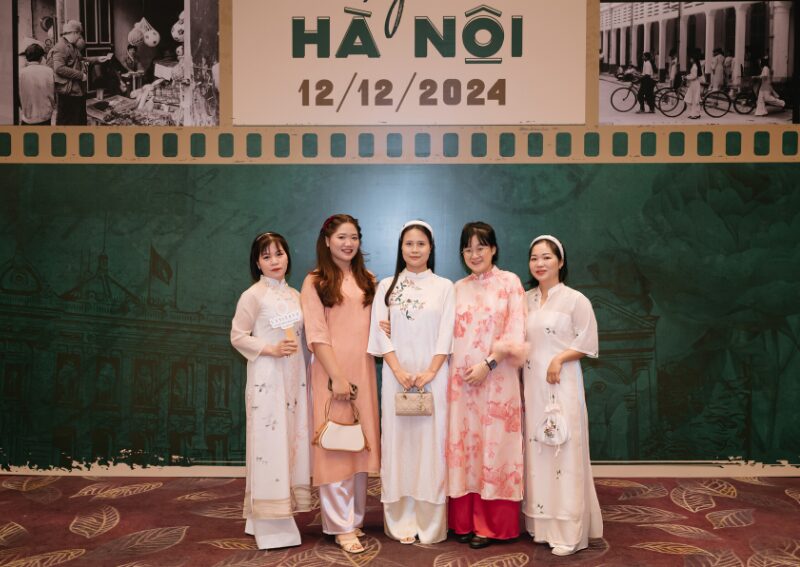
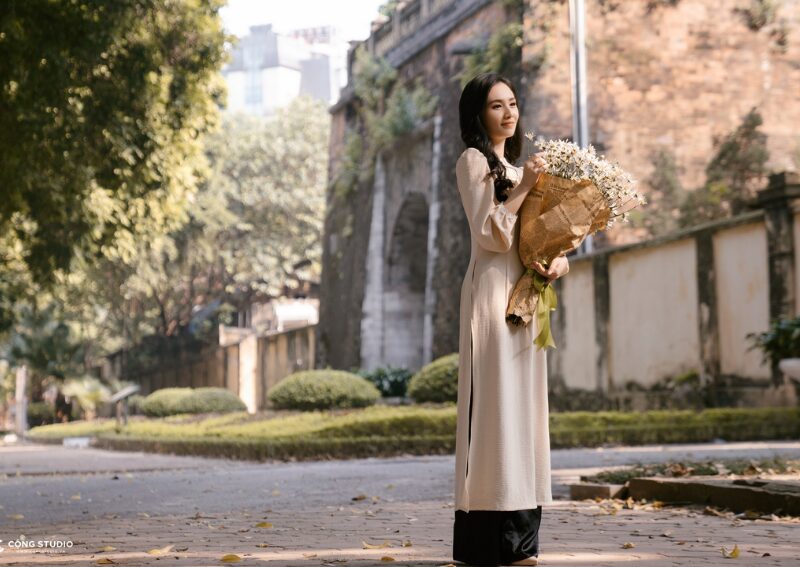
For visitors encountering it for the first time, the “Áo dài” Vietnam is a close-fitting tunic with a high collar, long sleeves, and two panels that fall to the ankle, split at the hip and worn over wide-leg silk trousers. The silhouette is at once modest and striking, practical and deeply elegant.
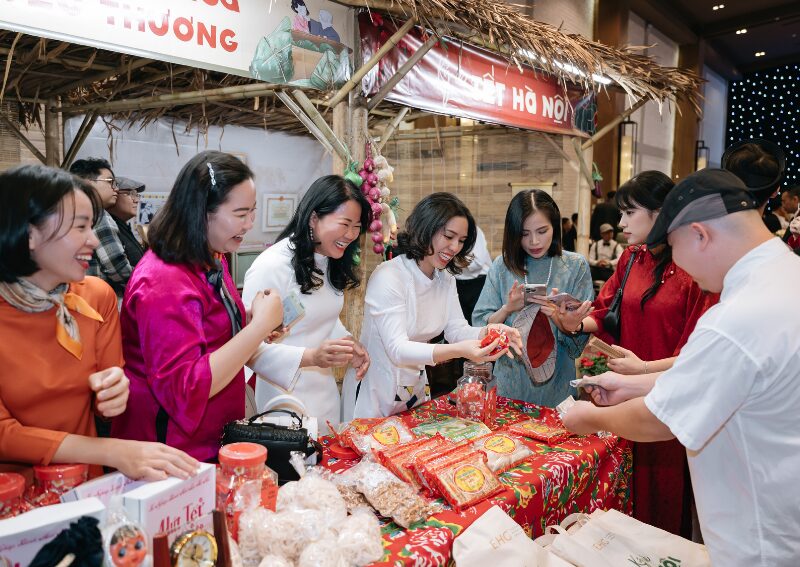
What makes it remarkable is that it is Vietnam national costume yet not reserved for tourists or heritage shows. Vietnamese women wear áo dài to university graduation ceremonies, to weddings, to office jobs in government ministries, and to “Tết” celebrations with family. It exists simultaneously as everyday clothing and as the single most emotionally loaded garment in Vietnamese cultural life. Getting one made is not a souvenir purchase.
It is an entry point into something much deeper and more meaningful.
A 500-Year Story: How the Áo Dài Vietnam Became National Soul
Like the craft street names of Hanoi’s Old Quarter, the áo dài carries centuries of history in its seams, and understanding that history makes wearing one feel entirely different.
The 17th and 18th centuries: a garment born from political division
The earliest ancestor of the modern áo dài emerged during the reign of the Nguyễn lords in the south, who deliberately distinguished their court dress from the robes worn at the Lê dynasty’s court in the north. The bifurcated garment, with its fitted top and trousered lower half, was both a practical adaptation to the warmer, more physically demanding south and a deliberate assertion of regional identity.
The 1930s: French influence and the birth of the modern silhouette
The áo dài as most people recognize it today was largely shaped during the French colonial period, when Vietnamese artist Nguyễn Cát Tường, known by his French name Le Mur, redesigned the traditional garment under the influence of Art Deco aesthetics. He slimmed the silhouette, raised the collar, and introduced raglan sleeves, creating a form that was unmistakably Vietnamese yet in conversation with the modernist design movements of its era. The result was controversial and celebrated in equal measure, and it fundamentally defined the garment for the century that followed.
The 1960s: Madame Binh and the Áo Dài as political statement
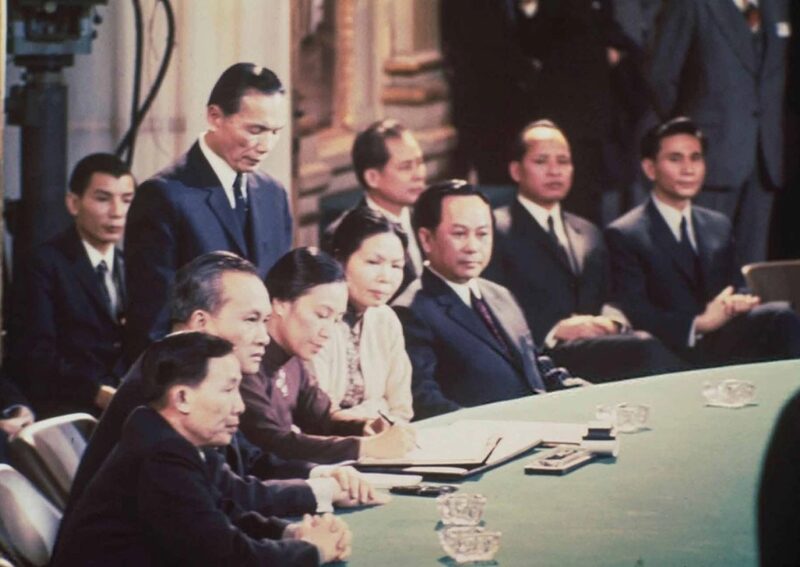
At the Paris Peace Accords, Nguyễn Thị Bình arrived at one of the 20th century’s most consequential diplomatic tables wearing a simply cut Áo Dài Vietnam in brown fabric, embroidered with plum blossoms along the front and back panels, the hem finished by hand in brown thread.
The Western press was struck immediately. Here was a nation in the middle of a devastating war, represented by a composed, unhurried woman in traditional Vietnamese dress. Where journalists expected confrontation, they found elegance. Where they expected fragility, they found resolve. That image transformed the áo dài into something beyond fashion: a symbol of Vietnamese intelligence, dignity, and soft power on the road to peace.
Post-1975 and the revival
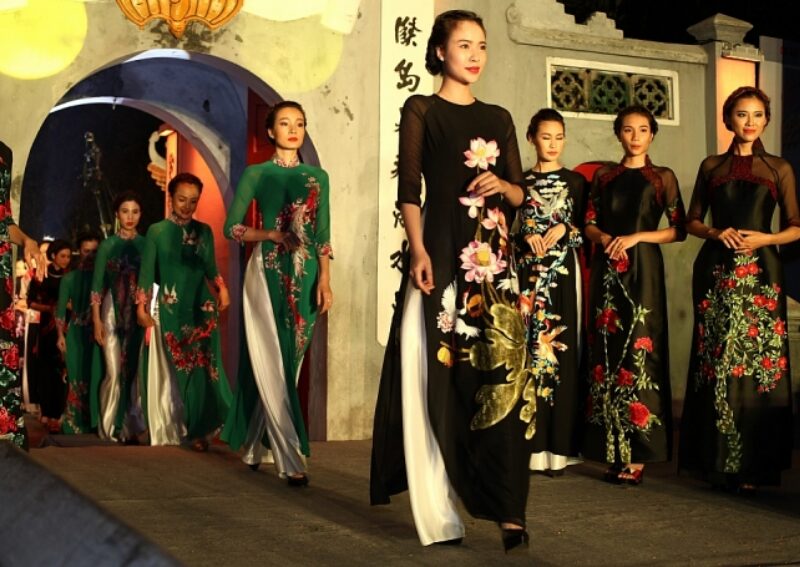
After reunification, the áo dài was largely set aside during the austerity years, deemed impractical and associated with the old order. Its revival came gradually through the 1990s as Vietnam opened to the world, and today it is experiencing a genuine renaissance, with young Vietnamese designers reinterpreting it in bold colors, experimental fabrics, and contemporary cuts while keeping its essential structure intact.
Where Áo Dài Vietnam stands today?
Vietnam has submitted the áo dài for consideration as a UNESCO Intangible Cultural Heritage, a recognition that would formalize what most Vietnamese already know: this is not simply a garment. Although there was no records of the year when this garment piece officially became Vietnam National Costume, Áo Dài Vietnam is a living expression of national identity, regional pride, and personal history.
Hanoi vs. Hội An: Which City Is Better for Getting an Áo Dài Vietnam?
This is one of the most common questions foreign visitors ask, and the honest answer is more nuanced than most travel guides admit.
Hội An has the louder reputation. The tailoring industry there is enormous, well-marketed, and experienced in serving international visitors. However, that scale comes with trade-offs: quality varies dramatically between shops, turnaround times are sometimes rushed to meet departing tourist schedules, and the experience itself has become, in many shops, thoroughly transactional.
Hanoi is quieter about its tailoring tradition but in many respects has the stronger claim to excellence, particularly for Áo Dài Vietnam specifically. The city’s older ateliers have been making traditional áo dài for generations, their clientele historically including government officials, performers, and families commissioning garments for major life events. The craft here has been less shaped by tourist demand and more by the standards of people who actually wear what they order.
For a visitor who wants an áo dài made properly, with the right fabric, the right fit, and the right technique, Hanoi is the better choice.
What to Know Before You Walk Into a Tailor Shop
A few practical realities will make the experience significantly better.
A good piece takes time. A properly made Áo Dài Vietnam requires at least two to three days: one for measurements and fabric selection, one for the initial fitting, and one for final adjustments. If you are in Hanoi for less than four days, book your first appointment on day one.
Understand the fabrics. The most common options are natural silk (lụa tơ tằm), which drapes beautifully and ages well; synthetic silk, which is more affordable but less breathable; georgette and chiffon, which are lighter and suit warmer weather; and brocade (gấm), which is heavier and more formal. To test for natural silk, ask to see the fabric burn: natural silk smells faintly of burnt hair and leaves a crushable ash, while synthetic silk smells of plastic.
Bring reference images. Even the most experienced tailor benefits from visual context. Photos of necklines, sleeve styles, and lengths you like will communicate far more precisely than verbal descriptions across a language gap.
Think about color relative to your skin tone. Áo Dài Vietnam in jewel tones, deep blues, forest greens, and rich reds tend to translate well across a range of complexions. Pale pastels can wash out fairer skin tones; very dark colors can be unforgiving in bright sunlight photography.
Budget honestly. The difference between a $30 áo dài and a $120 áo dài is not marginal. It shows in the fabric, the lining, the precision of the cut, and how the garment sits on the body after a day of wear. This is a piece of clothing you will keep for years. Invest accordingly.
The Best Áo Dài Tailors in Hanoi: Ranked From Luxury to Local Gem
The list below would be helpful for those wondering where to buy Áo Dài in Hanoi.
Tier 1: Luxury Ateliers (from $150 USD)
- Minh Hạnh Atelier: Designer Minh Hạnh is the most internationally recognized name in Vietnamese áo dài, having represented the country at fashion events across Asia and Europe. Her atelier produces garments that are genuinely collectible: the fabric selection is exceptional, the construction is meticulous, and each piece is treated as a considered creative work rather than a made-to-order product. For visitors who want to bring home something with a name and a story attached, this is the address.
Best for: Those investing in a statement piece, attending a formal event, or collecting Vietnamese fashion
- Áo Dài Huệ: One of the oldest and most consistently respected áo dài makers in Hanoi, with a clientele that includes Vietnamese government officials and performers alongside foreign visitors. The house specializes in traditional cuts with premium natural silk, and the finishing is among the finest in the city. English communication is possible at a basic level; bringing a Vietnamese-speaking friend for the initial consultation is helpful but not essential.
Best for: Traditional Áo Dài Vietnam done correctly, garments built to last decades
Tier 2: Mid-Range Boutiques ($60 to $150 USD)
- Áo Dài Lan Hương: A well-established name among Hanoi’s expat community, Lan Hương has decades of experience working with international clients and a genuine understanding of how Western body proportions differ from the Vietnamese standard fit. The team is patient with first-time áo dài wearers and will guide fabric and style choices without pressure. Turnaround is typically three to five days with one fitting included.
Best for: First-time Áo Dài wearers who want guided advice from start to finish
- Áo Dài Việt Thy: A smaller boutique with a strong reputation for quality in the mid-range bracket. The fabric selection is curated rather than overwhelming, which actually makes the decision process easier for visitors unfamiliar with Vietnamese textiles. Clients consistently note the shop’s willingness to make alterations until the fit is correct, rather than treating the first finished garment as final.
Best for: Quality-conscious visitors who want a good result without the luxury price point
Tier 3: Local Gems (under $60 USD)
- Hàng Gai and Lương Văn Can Streets: These two streets in the Old Quarter contain the highest concentration of fabric shops and small áo dài tailors in Hanoi. The process of selecting fabric at one stall and walking it to a tailor two doors down is exactly how most Hanoians still commission their Áo Dài Vietnam. Go on a weekday morning, wear thin and easy-to-remove clothing for measurements, and take your time with the fabric choice.
Best for: Visitors with time to explore, who want an authentic local tailoring experience
- Đồng Xuân Market The upper floors of this covered French-era market house wholesale and retail fabric vendors selling silk, brocade, and synthetic blends at prices significantly lower than the boutique streets. The market does not offer tailoring on-site, but purchasing fabric here and bringing it to a tailor on Hàng Gai is a genuinely local approach that can produce excellent results at a fraction of boutique prices. Bargaining is expected and prices are rarely fixed.
Best for: Confident shoppers who want the lowest-cost route to a custom-made Áo Dài Vietnam
How to Wear Áo Dài Vietnam, Pack It, and Bring It Home
Wearing it correctly. The Áo Dài Vietnam is put on by stepping into the trousers first, then pulling the tunic over the head and fastening the hidden side snaps along the right seam. It should sit smoothly across the shoulders with no pulling, and the hem panels should fall evenly to the ankle. If something bunches or pulls, go back to the tailor before you leave.
Packing without creasing. Fold the tunic lengthwise once, then roll it loosely rather than folding again. Place it in the center of your suitcase surrounded by soft items. Natural silk and georgette recover well from light travel creasing; heavy brocade is more demanding and benefits from being packed flat.
Washing at home. Hand wash in cool water with a gentle detergent, or use a delicate machine cycle inside a mesh laundry bag. Hang to dry away from direct sunlight. Do not tumble dry. Natural silk should be dry-cleaned for best results.
Wearing it outside Vietnam. An Áo dài Vietnam travels well to Lunar New Year celebrations, Asian cultural events, formal dinners, and photography sessions. It is also simply a beautiful garment to wear at home on occasions that call for something meaningful.
The Old Quarter as Your Base for the Ao Dai Tailors in Hanoi
The tailoring experience in Hanoi works best when your accommodation puts you in the middle of it. Hàng Gai, Lương Văn Can, and the fabric lanes of the Old Quarter are best explored on foot, at your own pace, dipping in and out of shops without a schedule. The same is true of the return visit for fittings, which rarely takes more than twenty minutes but rewards having a comfortable place to return to afterward.
After a day of navigating fabric choices, fittings, and the sensory fullness of the Old Quarter, the right hotel makes a genuine difference. Staying in the heart of the district means no commute, no taxi to arrange, no time lost between the tailor and the rest of your Hanoi itinerary.
Hanoi La Siesta Classic Mã Mây, one of the best hotels in Hanoi Old Quarter, sits at the center of all of this. Located on Mã Mây Street, one of the Old Quarter’s most historically layered corridors and within easy walking distance of every tailor and fabric shop mentioned in this guide, it offers the kind of stay that makes a city feel like it belongs to you rather than the other way around.
The hotel’s traditional architecture and genuinely warm hospitality create a retreat that feels embedded in the life of the neighborhood, a quiet, considered sanctuary that gives you the energy to go back out and do it all again the next morning. Whether you are returning for a final fitting or simply stepping out to watch the street come alive at dusk, La Siesta Classic Mã Mây is the kind of base that makes every part of the Hanoi experience feel unhurried and entirely your own.
Quick Reference: Tailor Tiers at a Glance
| Shop | Price Range | Best For | Location |
| Minh Hạnh Atelier | $150 and above | Statement piece, collectible design | Central Hanoi |
| Áo Dài Huệ | $120 and above | Traditional cut, premium silk | Old Quarter area |
| Áo Dài Lan Hương | $80 to $150 | First-timers, expat-friendly | Old Quarter area |
| Áo Dài Việt Thy | $60 to $120 | Quality mid-range, patient fittings | Old Quarter area |
| Hàng Gai and Lương Văn Can | $30 to $80 | Local experience, flexible budget | Old Quarter |
| Đồng Xuân Market fabric | $15 to $40 for fabric | DIY approach, lowest cost | Old Quarter |