



Tam Dao Vietnam 2026: The Cool Mountain Escape Just Outside Hanoi
Eighty kilometers and roughly two hours from the heat and noise of Hanoi, there’s a town where the temperature drops ten degrees, clouds roll through the streets at eye level, and the architecture still carries the fingerprints of French colonial planners from a century ago. This is Tam Dao Vietnam, often nicknamed “the Da Lat of the North,” and it remains one of the most underrated weekend escapes in northern Vietnam. Here’s everything you need to plan the trip, from getting there to knowing exactly when the fog will roll in.
Where Is Tam Dao Vietnam and Why Is It So Cool
Tam Dao is a small mountain town in Vinh Phuc province, sitting roughly 80 kilometers northwest of Hanoi. It is located about 24 km northeast of Vinh Yen city, bordered by Minh Quang commune to the east, Tam Quan commune to the west, Ho Son commune to the south, and Dai Tu district of Thai Nguyen province to the north. The town itself sits at an elevation of roughly 900 meters above sea level, while the surrounding peaks climb considerably higher.
The name “Tam Dao” comes from three mountains, Thach Ban, Thien Thi, and Phu Nghia, that appear to rise above a sea of clouds. These three peaks sit at elevations between roughly 1,375 and 1,400 meters, and because the town below is so often blanketed in mist, from a distance only the peaks themselves are visible, which is exactly where the “three islands” imagery in the name comes from. The wider mountain range stretches far beyond the town. Tam Dao National Park, which surrounds the area, contains more than 20 peaks over 1,000 meters, with the tallest reaching nearly 1,600 meters.
This elevation is the entire reason Tam Dao exists as a destination. More than a century ago, French colonial officials identified the area as an escape from the brutal heat of the Red River Delta, eventually building the region’s first hill station, complete with villas, hotels, restaurants, a swimming pool, and even a dance hall. By some accounts, the town once held as many as 143 hotels and villas built in striking European architectural styles, though most were destroyed during wartime, leaving only scattered ruins as a reminder of that earlier era.
What remains today is a quieter version of that legacy: a Gothic stone church, winding mountain roads, and an atmosphere that still feels distinctly different from anywhere else in the region.
Tam Dao Vietnam Weather: Four Seasons in One Day
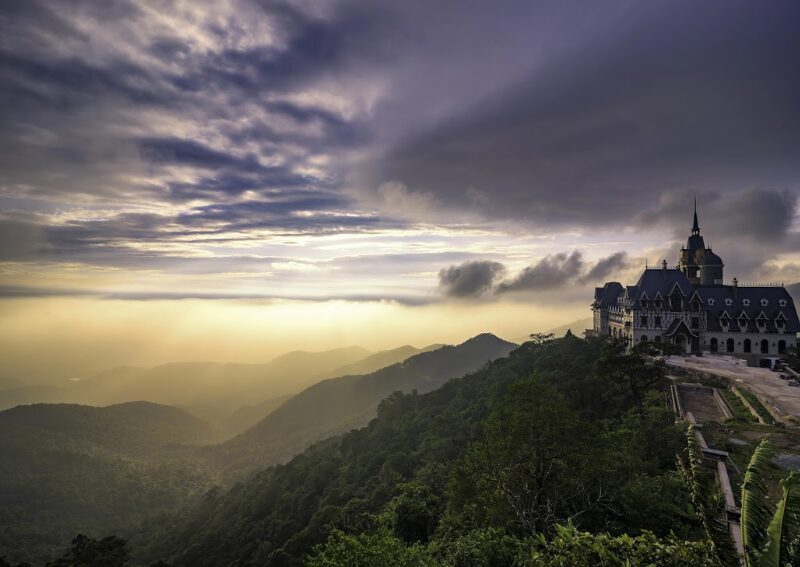
If there’s a single phrase that defines Tam Dao for visitors, it’s this one. Thanks to its mild climate and fresh mountain air, many visitors describe experiencing “four seasons in a single day,” which makes it one of the most distinctive destinations in northern Vietnam. Mornings can start crisp and foggy, midday can turn warm and clear, and by evening the temperature drops again as mist rolls back through the streets.Average temperatures in Tam Dao hover noticeably below the lowland norm.
The climate stays fresh and cool year round, with average temperatures between 18 and 25 degrees Celsius, while the surrounding forests and near constant mist help keep the air clean and comfortable even during the hottest months of the Vietnamese summer. Some sources note slightly cooler averages, in the high teens to low twenties, with evenings that feel genuinely chilly, closer to early winter than tropical Southeast Asia.
For travelers planning when to go, the practical breakdown looks like this:
- Spring (March to May): Wildflowers bloom across the hillsides, crowds are thinner, and prices stay reasonable. A good window for travelers who prefer quiet over peak-season buzz.
- Summer (June to August): This is peak season, and for good reason. While the rest of northern Vietnam suffers through scorching heat, Tam Dao stays chilly with clear skies and bright sun, making it the most popular escape from the lowland summer heat. Expect more visitors, especially on weekends.
- Autumn (September to October): Clear skies and pleasant temperatures, generally considered one of the best windows for photography and hiking.
- Winter (November to February): Genuinely cold, with persistent fog and damp conditions. Some travel guides recommend avoiding this window unless you specifically want the cold, misty atmosphere and don’t mind limited visibility.
One important packing note for any season: because Tam Dao’s climate stays cool year round and most attractions involve hills, valleys, and outdoor walking, sturdy shoes, a light jacket, and layers are worth packing regardless of when you visit.
How to Get to Tam Dao from Hanoi
There are three realistic ways to make the trip, and the right choice depends on your budget, time, and comfort with Vietnamese mountain roads.
- By private car or taxi: This is the most comfortable option and the most popular among international travelers. The journey covers approximately 80 kilometers northwest of Hanoi and typically takes around 1.5 to 2 hours by car, depending on traffic, following National Highway 2 before connecting to the provincial roads that wind up into the mountains. Private cars and hired drivers can be arranged through most Hanoi hotels or local tour operators.
- By bus, then taxi or motorbike: The budget route. Take a bus from My Dinh station to Vinh Yen for roughly 70,000 VND, then continue by taxi for the final stretch of around 20 kilometers to the town center. This works well if you’re not in a rush and want to save money, though the connection points add time.
- By train, then taxi: A direct train from Hanoi to Vinh Yen costs from around 35,000 VND, after which a taxi or motorbike taxi covers the remaining distance up to Tam Dao. This is a scenic, low-cost option, though schedules are limited.
- By motorbike: For confident riders, renting a motorbike in Hanoi and riding up independently is a popular choice; most of the route runs along wide, easy avenues, with the final roughly 15 kilometers becoming steeper and more winding as the road climbs into the mountains. The hairpin turns near the top demand real caution, especially in wet weather, so this route suits experienced riders only.
Whichever method you choose, plan for half a day of travel time each way if you’re doing Tam Dao as a day trip, which makes an overnight stay the more relaxed option for most visitors.
Top Things to See in Tam Dao
The Stone Church (Nha Tho Da)
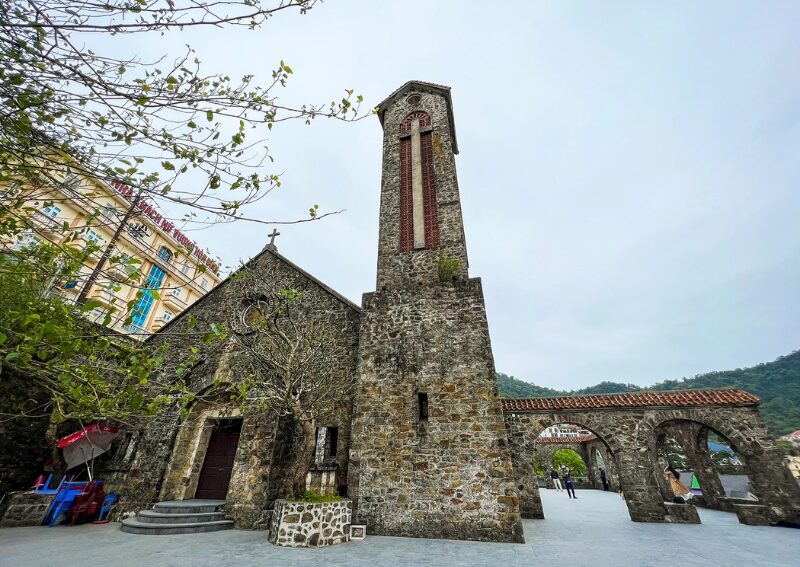
Built in 1937 in a Gothic style, this stone church is widely considered the symbolic landmark of the town. It’s also one of the most photographed spots in Tam Dao, especially when fog drifts through the surrounding pine trees. It’s typically the natural starting point for a walking tour of the town center.
Tam Dao Town Square and Sign
The central square features a fountain and the now-iconic “Tam Dao” sign, a favorite photo stop for visitors. It’s a good orientation point before heading out to the more demanding hikes.
Silver Waterfall (Thac Bac)
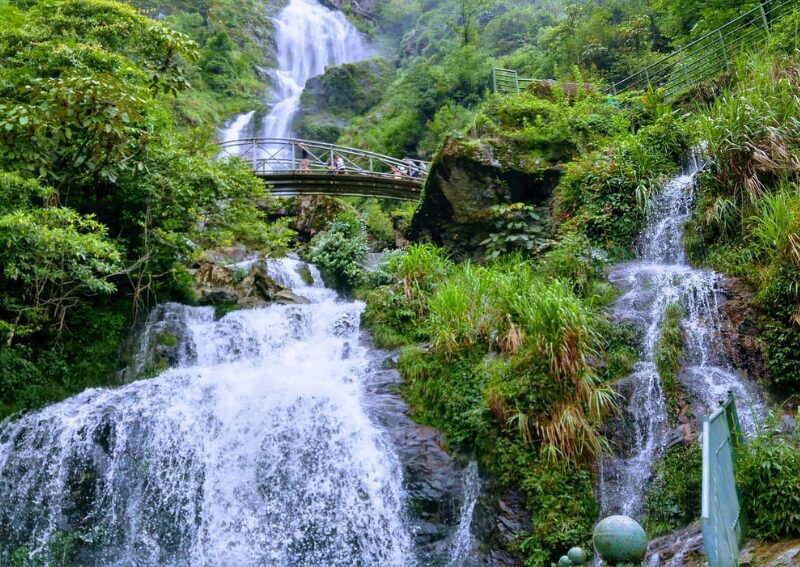
Reached via a hike of roughly 400 steps, this waterfall is at its best on clear, sunny days, when the water flow and surrounding greenery are most visible. It’s a moderate walk, manageable for most fitness levels, and one of the most rewarding short hikes in the area.
Tam Dao Telecommunications Tower
For those wanting sweeping panoramic views, the climb to the telecommunications tower involves roughly 1,400 steps through orchids and maple trees, with the reward of expansive views from the summit. This is the most physically demanding popular attraction in town, so budget real time and bring water.
Cau May Cloud Bridge
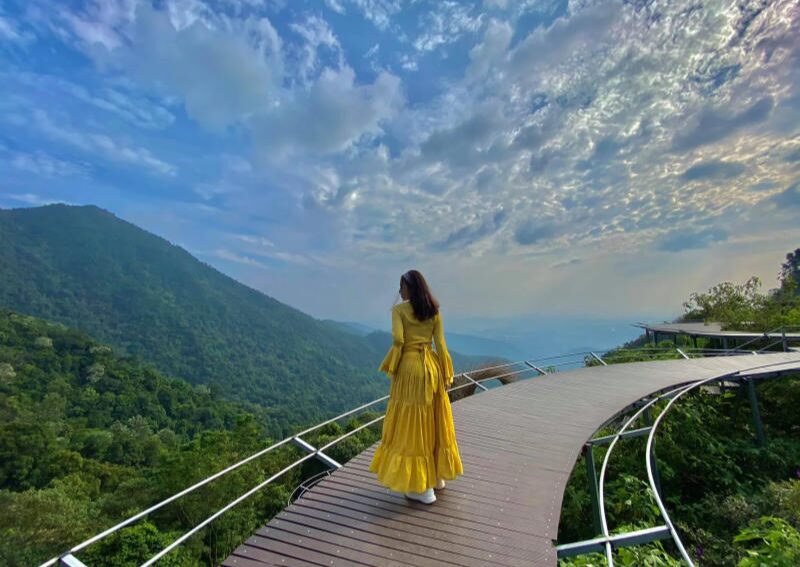
A favorite spot for photography, particularly at sunset or right after rain, when the cloud cover sits low and dramatic against the surrounding hills.
Ba Chua Thuong Ngan Temple
A peaceful temple dedicated to the Goddess of the Mountains, reached along a path lined with bamboo, offering a quieter, more contemplative stop compared to the busier viewpoints in town.
Lala Land Complex
A more whimsical, photo-friendly attraction featuring cactus gardens, a rooftop bus café, and fruit picking activities, popular with younger visitors and families.
Tam Dao National Park
Beyond the town itself, the national park is worth a half day on its own. Covering nearly 35,000 hectares, the park is home to over 1,500 plant species, roughly 690 animal species, and around 50 bird species, making it a genuine destination for nature lovers and birdwatchers, not just a backdrop for the town. The terrain, with its sharp peaks and steep slopes, makes it ideal for novice trekkers and climbers looking for a manageable introduction to mountain hiking.
Eating in Tam Dao
The cool climate shapes the food culture as much as it shapes the clothing choices. Chayote shoots, a local mountain vegetable, are a particular favorite among visitors, often served simply stir-fried alongside fresh jackfruit and bananas grown in the surrounding hills. In the evenings, the chilly air makes grilled skewers, roasted chestnuts, and bamboo-tube rice some of the most popular choices at the town’s small night market. If you’re visiting in cooler months, this kind of warm, simple mountain food is part of the experience, not just a side note.
Practical Tips Before You Go
- Pack layers. Mornings and evenings run cold regardless of season; bring a jacket even in summer.
- Wear proper footwear. Several of the best attractions involve hundreds of steps or uneven hiking trails.
- Avoid summer weekends if you want quiet. Tam Dao is popular with domestic tourists especially on weekends, so Friday nights through Sunday tend to be the busiest, with hotel and food prices rising accordingly.
- Check the forecast. Mist and rain can roll in quickly at this elevation; clear days make a real difference for the waterfall and tower hikes.
- Consider staying overnight. A day trip is doable, but an overnight stay lets you catch the cooler evening atmosphere and an early, mist-covered morning, generally considered the most beautiful time of day in town.
Heading Back to Hanoi: Where to Stay for the Rest of Your Trip
After a day or two of mountain air, step counting, and waterfall hikes, the contrast of returning to Hanoi’s Old Quarter is part of the charm of this trip. Once you’re back in the city, where you stay matters just as much as where you’ve been. For travelers searching for the best hotels in Hanoi, the Old Quarter remains the most natural place to land, close to the lake, the markets, and the food stalls that make the capital worth lingering in after a mountain escape.
Hanoi La Siesta Classic Ma May, one of the best hotels in Hanoi Old Quarter, sits right at the center of it all. Located on Ma May Street, one of the Old Quarter’s most historically layered corridors and an easy walk from the lake, the night market, and the streets where Hanoi’s daily rhythm plays out, it offers exactly the kind of stay that turns a long travel day into a proper rest. The hotel’s traditional architecture and genuinely warm hospitality create a retreat that feels woven into the life of the neighborhood, a quiet, considered sanctuary that restores your energy after a day of mountain steps and winding roads.
Among the best boutique hotels in Hanoi, La Siesta Classic Ma May stands out for this exact reason: it bridges the gap between an adventurous trip outside the city and a comfortable, unhurried return to it. Whether you’re heading back out the next morning to explore more of the capital or simply want to sit somewhere quiet after the long drive down from Tam Dao, this is the kind of base that makes the whole Hanoi and Vinh Phuc experience feel seamless and entirely your own.