



Top 15+ Vietnamese Fruits You Must Try: A Seasonal Guide for Travelers
Vietnam’s long, narrow shape stretches across several climate zones, which means the country produces an extraordinary range of tropical and subtropical fruit almost year round. Knowing what is in season, and which region grows it best, is one of the most useful pieces of Vietnam travel guide knowledge for anyone planning a trip around food. This guide breaks down more than fifteen of Vietnamese fruits you must try, when to find them at their best, and where in the country they truly shine.
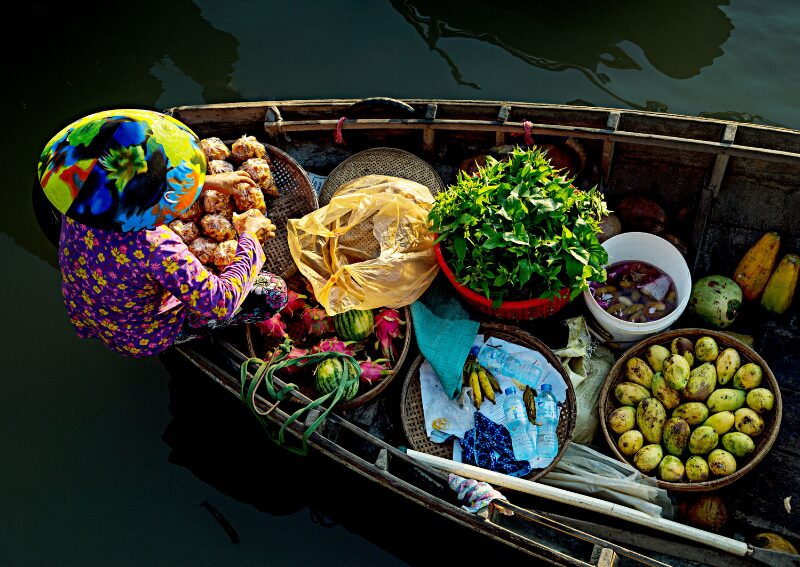
Lychee (Vải) -Vietnamese fruits you must try
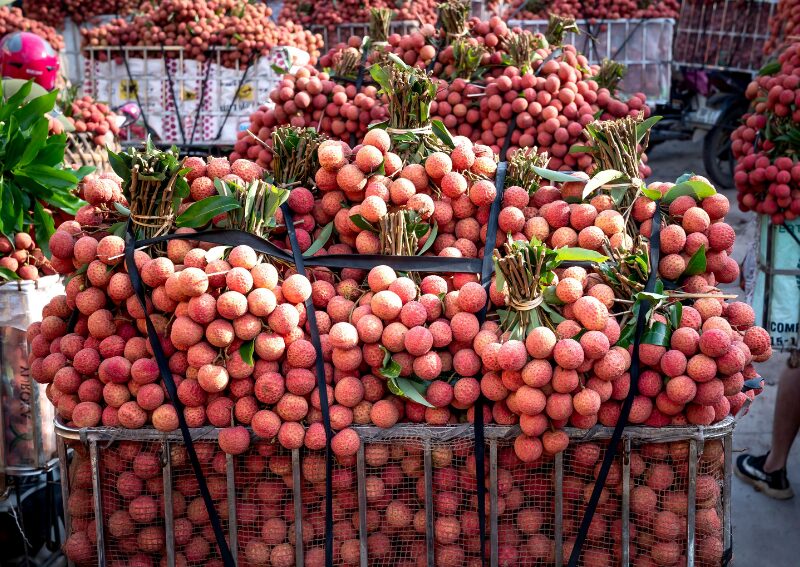
- Season: Peak in May and June
- Best region: North, especially Bac Giang and Hai Duong provinces
- Look for: Bright red, slightly rough skin and a firm bounce when squeezed
Lychee is one of the most anticipated fruits of the Vietnamese fruit season, and the Luc Ngan area of Bac Giang province is widely considered the source of the country’s finest harvest. The flesh is translucent, floral, and intensely sweet, with just enough acidity to keep it refreshing in the early summer heat. Vendors sell it in bunches still attached to the stem, and it is common to see entire truckloads moving south from the northern provinces during peak season, since the fruit does not travel or store well once picked.
Rambutan (Chôm Chôm) – Vietnamese fruits you must try
- Season: Year round, with peak harvests in summer and again in winter
- Best region: South, particularly the Mekong Delta provinces around Ben Tre
- Look for: Vivid red skin with bright green, flexible hairs
Rambutan is one of the easiest tropical fruits for first-time visitors to fall in love with, since its flavor and texture closely resemble lychee but with a slightly firmer bite. The Mekong Delta’s rambutan orchards produce some of the sweetest and juiciest fruit in the country, and the region even hosts a rambutan festival during peak season. Simply twist the skin to split it open and pop out the translucent flesh, avoiding the smooth seed inside.
Mangosteen (Măng Cụt) – Vietnamese fruits you must try
- Season: May to September, peak in June and July
- Best region: South, especially around the Mekong Delta
- Look for: Deep purple skin and a fresh green stem cap
Known as the queen of fruits, mangosteen has a thick purple rind that hides delicate white segments with a sweet, slightly tangy flavor and a subtly floral aroma. The number of petals on the flower mark at the base of the fruit indicates how many segments are inside, a small trick many local vendors use to help buyers choose the best ones. The fruit is best cut carefully around the rind rather than torn open, to keep the juicy interior intact.
Durian (Sầu Riêng) – Vietnamese fruits you must try
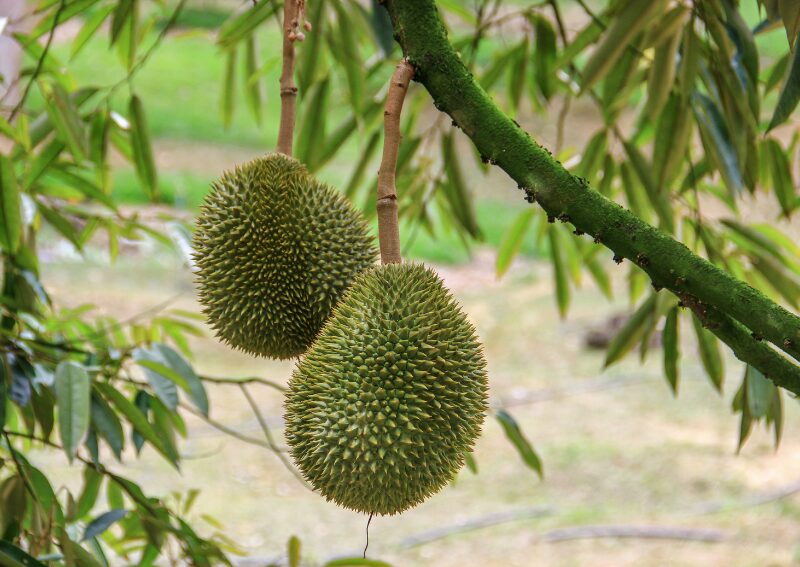
- Season: May to August, peak in June
- Best region: South, particularly the Mekong Delta and Central Highlands around Dak Lak
- Look for: Slightly cracked seams and a strong, unmistakable aroma
Durian is Vietnam’s most famous and most divisive fruit, prized by fans for its creamy, custard-like texture and rich, almost caramelized sweetness, while others find the smell overwhelming. It is banned from hotel rooms, airplanes, and public buses across the country, so it is almost always eaten fresh at the point of purchase or taken home in a sealed container. The Mekong Delta and the Central Highlands both produce prized varieties, and asking a vendor to crack one open on the spot is the easiest way to try it fresh.
Dragon Fruit (Thanh Long) – Vietnamese fruits you must try
- Season: Available year round, with peak abundance from May to October
- Best region: South Central Coast, especially Binh Thuan province
- Look for: Bright, evenly colored skin with firm, green-tipped scales
Dragon fruit is one of the most photogenic and widely exported fruits from Vietnam, grown extensively around Binh Thuan on the South Central Coast, where entire hillsides of cactus-like plants are strung with lights to encourage off-season flowering. The flesh, either white or a deeper magenta depending on the variety, is mild, lightly sweet, and speckled with tiny edible black seeds. It is light and hydrating, making it a favorite among travelers adjusting to Vietnam’s heat.
Mango (Xoài) – Vietnamese fruits you must try
- Season: Peak from March to June, though some varieties appear year round
- Best region: South, especially the Mekong Delta around Cao Lanh
- Look for: Firm skin with a sweet aroma near the stem
Vietnamese mango covers a wide range of varieties, from the small, intensely sweet xoai cat hoa loc to firmer green mangoes eaten unripe with salt and chili as a popular street snack. The Mekong Delta’s warm, fertile soil produces some of the country’s most fragrant and consistently sweet mangoes, and prices swing dramatically with the season, dropping to just a few thousand dong per kilo at peak harvest. Both the ripe and unripe forms are essential parts of Vietnamese street food culture.
Jackfruit (Mít) – Vietnamese fruits you must try
- Season: Peak from April to August
- Best region: Central Vietnam, particularly around Quang Nam and the Mekong Delta
- Look for: A strong sweet smell and slight give when pressed
Jackfruit is the largest tree-borne fruit in the world, and a single fruit can weigh well over twenty kilograms. Ripe jackfruit is separated into golden, chewy pods with a flavor often compared to a mix of banana and pineapple, while unripe jackfruit is cooked as a savory vegetable in soups and salads. It appears everywhere from roadside stalls to elaborate desserts, making it one of the most versatile fruits in Vietnamese cuisine.
Longan (Nhãn) – Vietnamese fruits you must try
- Season: Peak in July and August
- Best region: North, especially Hung Yen province, with a second harvest in the Mekong Delta
- Look for: Thin, light brown skin and a slightly translucent flesh
Longan, meaning dragon eye in Vietnamese, produces small, round fruit with sweet, juicy flesh and a smooth dark seed at the center. Hung Yen province near Hanoi is historically the most celebrated source of premium longan, and the fruit is closely tied to northern Vietnamese food culture, often dried and used in traditional desserts and herbal teas during the cooler months.
Pomelo (Bưởi) – Vietnamese fruits you must try
- Season: Peak from September to November
- Best region: North, especially Doan Hung in Phu Tho province, and the Mekong Delta
- Look for: Thick, fragrant skin and a heavy feel for its size
Pomelo is a large, mild citrus fruit with a thick, easily peeled rind and juicy segments that range from pale yellow to deep pink depending on the variety. Doan Hung pomelo from Phu Tho province is one of Vietnam’s most prized northern specialties, often given as a gift during Tet, while Mekong Delta varieties tend to be sweeter and juicier. It is commonly eaten plain or tossed into savory salads with shrimp and herbs.
Star Apple or Milk Fruit (Vú Sữa) – Vietnamese fruits you must try
- Season: Peak from October to January
- Best region: South, particularly around Can Tho and the Mekong Delta
- Look for: Smooth, glossy purple or green skin
Star apple, known locally as milk fruit for its creamy white flesh, is a favorite winter fruit in southern Vietnam. The best way to eat it is to gently roll the fruit between your palms to soften the interior, then cut it in half and scoop out the sweet, faintly milky flesh with a spoon, avoiding the bitter skin and seeds. The Mekong Delta’s Can Tho region is especially known for producing large, well-ripened fruit.
Custard Apple (Mãng Cầu) – Vietnamese fruits you must try
- Season: Peak from August to October
- Best region: South Central Coast and the Mekong Delta
- Look for: Slightly soft, bumpy skin that gives under gentle pressure
Custard apple has a lumpy, segmented exterior that hides soft, sweet, creamy flesh dotted with dark seeds. It is a popular ingredient in smoothies and desserts across Vietnam, and the South Central Coast region produces particularly fragrant, well-sized fruit during its short autumn season. It should be eaten as soon as it softens, since the flesh spoils quickly once fully ripe.
Passionfruit (Chanh Dây) – Vietnamese fruits you must try
- Season: Available year round, with peak harvests from May to September
- Best region: Central Highlands, especially around Da Lat
- Look for: Slightly wrinkled, deep purple skin, which signals ripeness
Passionfruit thrives in the cooler climate of the Central Highlands, and Da Lat’s high-altitude farms produce some of the most aromatic fruit in the country. The tangy, seed-flecked pulp is rarely eaten on its own, appearing instead in juices, smoothies, and the syrupy drinks sold at roadside cafes throughout central and southern Vietnam. A wrinkled skin, rather than a smooth one, actually indicates the fruit is at its sweetest.
Papaya (Đu Đủ) – Vietnamese fruits you must try
- Season: Available year round
- Best region: South, particularly the Mekong Delta
- Look for: Yellow-orange skin for ripe fruit, deep green for salads
Papaya grows abundantly across Vietnam, and its two forms serve very different purposes in Vietnamese cooking. Ripe papaya is eaten fresh as a sweet, mellow breakfast fruit, while unripe green papaya is shredded into the famous papaya salad, or goi du du, one of the most popular Vietnamese street food dishes. Its year-round availability makes it one of the most reliable fruits for travelers visiting at any time of year.
Guava (Ổi) – Vietnamese fruits you must try
- Season: Peak from September to November, with a secondary harvest in spring
- Best region: North, particularly Thai Binh province, and widely grown nationwide
- Look for: Firm, pale green skin with a fresh, floral smell
Guava is a crunchy, mildly sweet fruit eaten whole, skin included, and is one of the most common fruits sold by street vendors carrying baskets through the Old Quarter and beyond. It is often served sliced with a small packet of chili salt for dipping, a distinctly Vietnamese way of eating fresh fruit that surprises many first-time visitors. Northern varieties from Thai Binh are known for their crisp texture and balanced sweetness.
Coconut (Dừa) – Vietnamese fruits you must try
- Season: Available year round
- Best region: South, especially Ben Tre province, known as the land of coconuts
- Look for: Fresh green coconuts for drinking water, mature brown ones for flesh
Coconut is inseparable from Vietnamese cuisine, showing up in everything from sticky rice and curries to the sweet dessert soups called che. Ben Tre province in the Mekong Delta earns its nickname as the land of coconuts, with entire villages built around coconut candy production and coconut-lined waterways that are popular with river tour visitors. A young coconut, cracked open and served with a straw, remains one of the most refreshing ways to cool down anywhere in the country.
Sapodilla (Hồng Xiêm) – Vietnamese fruits you must try
- Season: Peak from October to December
- Best region: North, particularly around Hanoi’s outskirts, and the Mekong Delta
- Look for: Rough, brownish skin that yields slightly to pressure
Sapodilla has a grainy, honey-sweet flesh often compared to brown sugar or caramel, and it remains a favorite among Hanoi locals during the cooler months. It should only be eaten once fully ripe, since unripe sapodilla carries an unpleasantly astringent taste. Vendors around Hanoi’s older neighborhoods often sell it alongside other autumn fruits like persimmon and pomelo.
Persimmon (Hồng) – Vietnamese fruits you must try
- Season: Peak from September to November
- Best region: North, especially the highland areas of Lang Son and Da Lat in the Central Highlands
- Look for: Deep orange-red color and smooth, taut skin
Persimmon is one of the clearest markers of autumn in northern Vietnam, sold in bright orange piles at markets throughout Hanoi during its short season. Some varieties are eaten crisp, like an apple, while others are left to soften into a jam-like texture before eating. Both Lang Son in the north and Da Lat in the Central Highlands are known for producing some of the country’s best harvests.
Where to Stay in Hanoi to Enjoy It All
The best way to experience Vietnam’s fruit season is to base yourself somewhere close to the markets and street vendors who sell it fresh every morning. In Hanoi, that means the Old Quarter, where fruit carts, juice stalls, and seasonal specialties from across the country pass through the same narrow streets every single day.
Hanoi La Siesta Classic Ma May, one of the best hotels in Hanoi Old Quarter, sits at the center of all of this. Located on Ma May Street, one of the Old Quarter’s most historically layered corridors and within easy walking distance of the neighborhood’s most atmospheric fruit carts, morning market stalls, and fresh juice vendors, it offers the kind of stay that makes the city feel like it belongs to you rather than the other way around. The hotel’s traditional architecture and genuinely warm hospitality create a retreat that feels embedded in the life of the neighborhood, a quiet, considered sanctuary that gives you the energy to head back out and follow the season’s freshest fruit.
Whether you are stepping out at dawn to catch a vendor unloading fresh lychee or longan straight from the north, or returning in the late afternoon to find a fruit cart in full swing near Dong Xuan Market, Hanoi La Siesta Classic Ma May is the kind of base that makes every part of the Hanoi street experience feel unhurried and entirely your own. Consistently celebrated as one of the best boutique hotels in Hanoi Old Quarter, it is the right starting point for anyone who wants to taste Vietnam one season at a time.

Leave a Reply