



Phu Quy Island 2026: Vietnam’s Best-Kept Treasure Out at Sea
If you are travelers who look at a well-trodden beaches and starts wondering what lies further out to sea, Phu Quy Island WAS MADE FOR YOU.
Sitting roughly 110 kilometers off the coast of what was formerly Binh Thuan Province – now part of the newly consolidated Lam Dong Province following Vietnam’s recent administrative restructuring – this remote island in the East Sea offers an experience that feels genuinely removed from the tourist trail: intact coral reefs, unhurried fishing communities, ancient temples, and seafood pulled from the water that morning and cooked to order by afternoon. It takes a little effort to get here. That effort is, as always, entirely the point.
Where Is Phu Quy Vietnam?
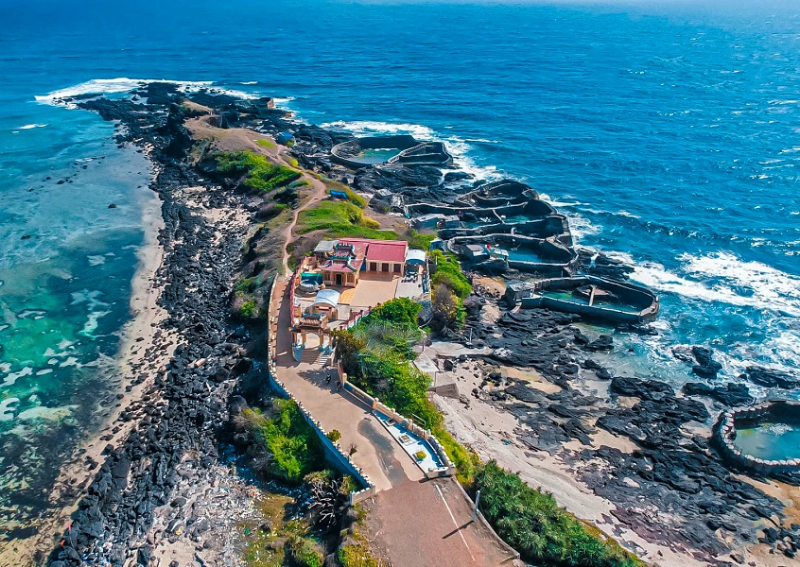
Phu Quy Island sits at coordinates between 105°55′ and 108°58′ East longitude and 10°29′ to 10°33′ North latitude, approximately 110 kilometers (around 56 nautical miles) southeast of Phan Thiet, 540 kilometers northeast of the Truong Sa (Spratly) Archipelago, and roughly 725 kilometers from the Hoang Sa (Paracel) Islands.
Administratively, Phu Quy now falls under the newly merged Lam Dong Province, following the consolidation of the former Binh Thuan, Dak Nong, and Lam Dong provinces. Phan Thiet, previously a city in its own right, remains the mainland departure point for ferry services to the island.
What the geography actually translates to on the ground is a landscape of considerable natural beauty: calm bays, black volcanic rock formations rising from the shoreline, vibrant nearshore coral reefs, and a climate that stays comfortably mild throughout most of the year. The island also holds a surprisingly rich historical and cultural heritage, ancient pagodas, Cham-influenced temple architecture, and a whale worship tradition that has shaped coastal life here for centuries.
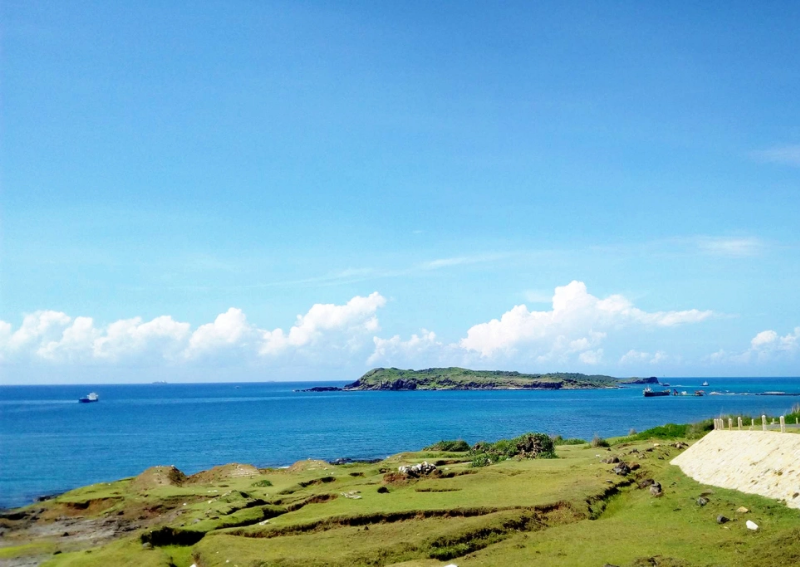
The weather on Phu Quy Island follows a two-season monsoon pattern, though the island’s offshore position and relatively small size give it a more temperate character than the mainland coast nearby.
The best time to visit Phu Quy Island is during the South Wind Season from May to August, when sea conditions are at their calmest, visibility for snorkeling and diving is at its clearest, and the island’s beaches are at their most swimmable. This is peak season for a reason – the combination of reliable weather and accessible water activities makes it the most rewarding period for a first visit.
The transitional months of March, April, and September offer a reasonable middle ground – conditions are generally manageable and crowds noticeably thinner than the summer peak.
October through February is the trickier period. The north wind brings rougher seas, and ferry services can be suspended or delayed during weather events. Visitors with flexible schedules can still have a good experience, but those with fixed return dates should factor in potential disruption.
Average annual rainfall sits between 1,000 and 1,100mm. Temperatures hold steadily between 22 and 28°C year-round, and humidity ranges from 72 to 88%. On balance, the climate is genuinely pleasant – the island earns its reputation as a breezy, comfortable offshore escape.
How to Get to Phu Quy Island
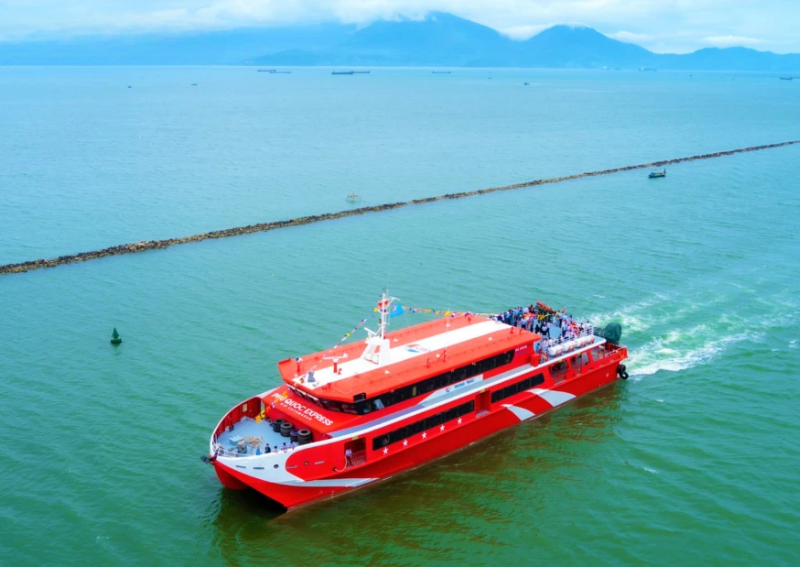
Getting to Phu Quy requires two legs of travel: reaching Phan Thiet on the mainland first, then taking a ferry out to the island. There are no direct flights to Phu Quy itself.
Leg One: Getting to Phan Thiet
From Ho Chi Minh City The most common approach for most travelers. Coach buses from Saigon to Phan Thiet run frequently throughout the day, with the journey taking approximately four to five hours. Fares typically range from $6–$10 (~150,000–250,000 VND) per person one way. The road passes through pleasant countryside and is straightforward enough that you can sleep most of the way and arrive refreshed.
From Hanoi or other northern cities Fly into either Tan Son Nhat Airport (Ho Chi Minh City) or Cam Ranh Airport (Khanh Hoa) and connect onward to Phan Thiet by bus or private transfer.
Leg Two: Phan Thiet to Phu Quy Island by Ferry
Ferries depart from Phan Thiet Transport Port at the end of Pham Van Dong Street, Hung Long Ward, Phan Thiet. Established operators serving this route include Phu Quy Express, Phu Quy Island, and Superdong-PQII.
Crossing time: approximately 2.5 to 3.5 hours depending on vessel type and sea conditions. Cabin options range from seated air-conditioned sections to sleeper berths, worth upgrading if you’re prone to motion sickness or traveling in rougher conditions. Ferry tickets: approximately $10 (~250,000 VND) per person one way.
Once on the island, motorbike rental is the standard way to get around — at approximately $4–$5 (~100,000–120,000 VND) per day, a single tank of fuel is more than enough to cover the entire island at a leisurely pace. Some homestays also offer bicycle rentals for those who prefer a slower tempo.
What to Do in Phu Quy Island
Snorkeling and Coral Exploration
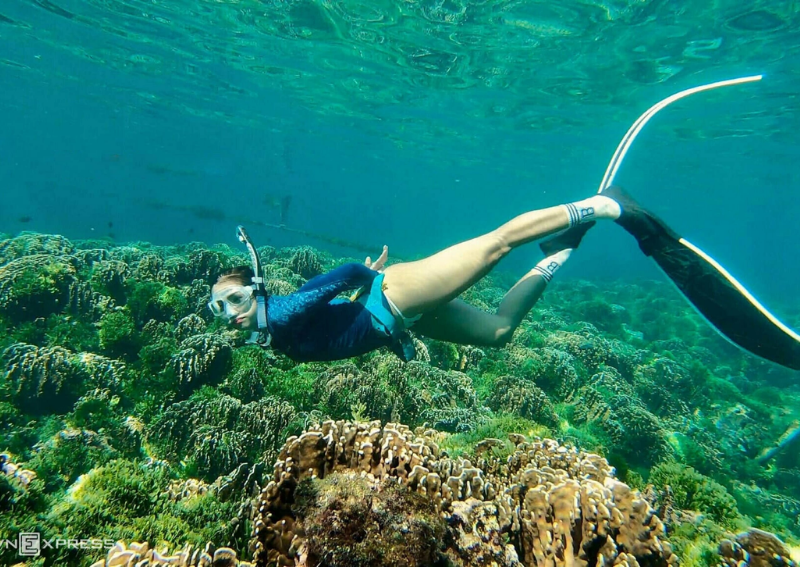
Phu Quy’s coral reefs are the headline attraction for most visitors — and they deserve the reputation. The island’s relative remoteness has helped preserve reef systems that are both diverse and accessible without advanced diving certification. Snorkeling tours are widely available, and the visibility in calm conditions is exceptional.
Scuba Diving
For certified divers, the deeper reef structures around Phu Quy offer encounters with a wide range of tropical marine life. Local dive operators run small-group excursions with equipment provided.
Speedboat and Canoe Rides
Exploring the island’s coastline by speedboat, passing between the volcanic rock formations, visiting Hon Tranh islet, and circling the bay, offers a completely different perspective to exploring on foot or by motorbike. Several operators offer shared and private departures daily.
Fishing
Half-day and full-day fishing trips are available through local boat owners, and eating what you catch – typically grilled on the spot with simple seasoning – is one of the more satisfying experiences the island offers.
Marine Life Collecting
Guided wading tours through the island’s tidal zones allow visitors to observe and handle various marine invertebrates in their natural habitat. Best experienced at low tide with a knowledgeable local guide.
Cycling the Island
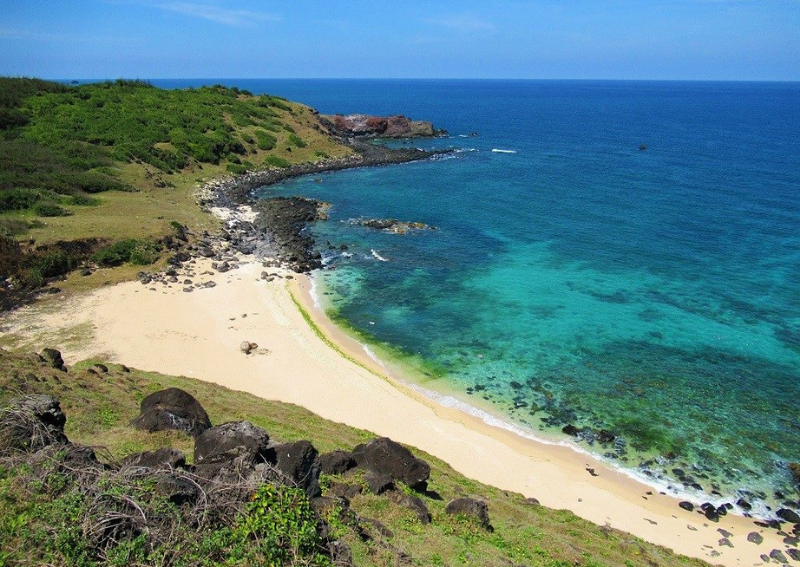
For those who want to move slowly and notice things, cycling the island’s perimeter road, stopping at viewpoints, village markets, and beachside spots as the mood dictates, is a thoroughly rewarding half-day. The scale of Phu Quy is perfectly suited to this kind of unhurried exploration.
What to See in Phu Quy Island
Hon Tranh Islet
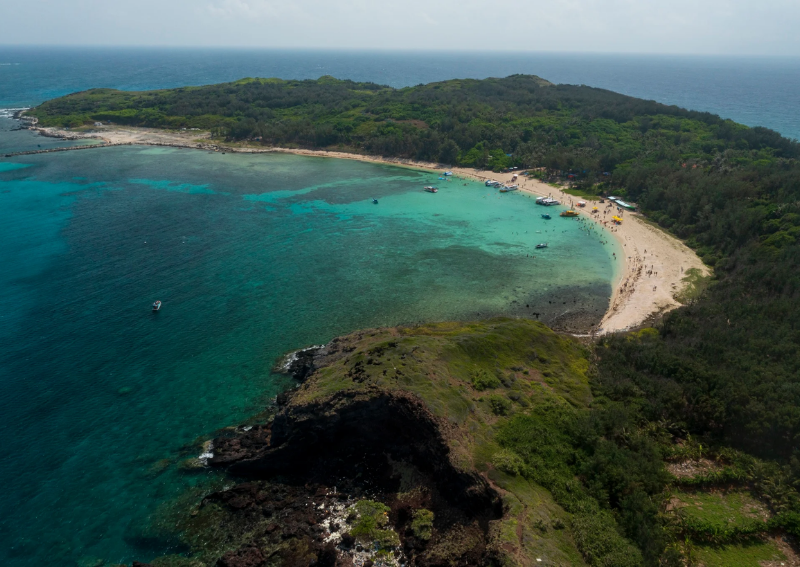
A small islet just offshore that local residents consistently rate as one of the island’s most beautiful and safe natural destinations. Snorkeling the surrounding coral, fishing from the rocks, lunch on a floating platform, and photography of the dramatic rock-meets-sea compositions all make Hon Tranh worth a dedicated half-day.
Trieu Duong Bay
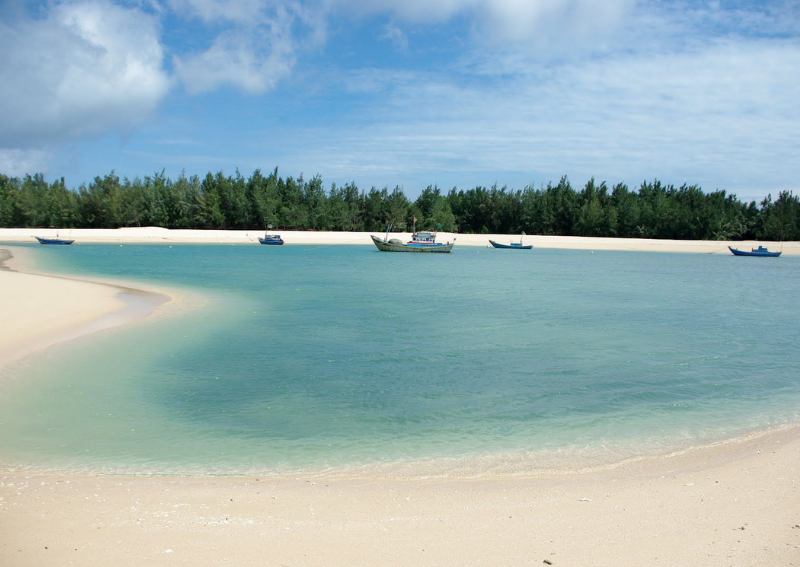
Following the main coastal road around the island brings you to Trieu Duong Bay, a compact cove with jade-green water and a fine sand beach that draws local families and visiting swimmers in the late afternoon. The light here at golden hour is particularly good.
Bai Nho (Little Beach)
A crescent-shaped beach tucked into a mountain fold, Bai Nho requires a short walk down a hillside trail from the roadside – park the motorbike and follow the path. The payoff is a naturally enclosed swimming spot with clear water and very few visitors. Nearby Ganh Hang, a dramatic vertical cliff face dropping directly into the sea, about 650 meters away, is worth combining into the same visit. Bring proper footwear for the rocky terrain.
Cao Cat Mountain
One of the highest points on Phu Quy Island, Cao Cat Mountain is notable for its unusual spiral-shaped rock formations – the result of ancient geological forces working on the island’s volcanic substrate. It’s a striking photography location and an interesting geological contrast to the coral and limestone landscapes found elsewhere on the island.
Lang Duong Fish Lake
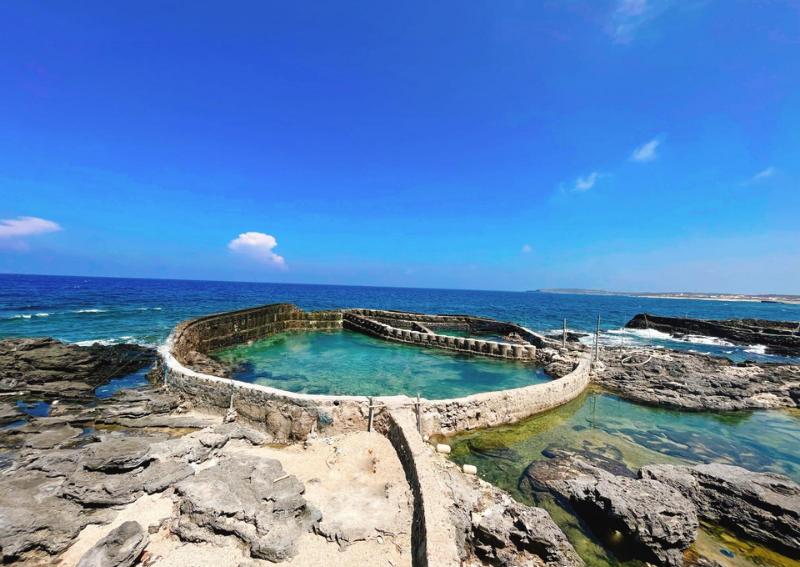
A natural tidal pool enclosed by a carefully constructed stone wall, Lang Duong Fish Lake is one of the island’s more unusual attractions. The wall’s evenly spaced circular openings allow seawater to flow freely in and out while preventing the marine life inside from escaping – a traditional aquaculture method that has been in use on the island for generations. The geometric precision of the stone construction makes it a surprisingly compelling photography subject.
Wind Farm
Phu Quy’s wind farm stands as one of the more unexpected visual elements of the island, tall turbines turning slowly against a backdrop of open sea and sky, creating a landscape that feels simultaneously industrial and serene. It’s a popular spot for photography, particularly in the early morning when the light is soft and the island’s fishing boats are heading out.
Linh Quang Pagoda
Recognized as a national cultural heritage site by Vietnam’s Ministry of Culture in 1996, Linh Quang Pagoda is the island’s most significant Buddhist landmark, a place of pilgrimage, architectural interest, and genuine spiritual atmosphere. The approach and surrounding grounds are as worth visiting as the pagoda itself.
Linh Son Pagoda
A century-old temple perched at over 200 meters above sea level, Linh Son Pagoda offers panoramic views across the surrounding ocean that are among the finest on the island. The combination of religious heritage and natural spectacle makes it one of Phu Quy’s most memorable stops.
Temple of Princess Ban Tranh
A beautifully preserved example of hybrid Vietnamese-Cham architectural tradition, this temple dedicated to Princess Ban Tranh sits against the natural backdrop of Cao Cat Mountain. The local legends associated with the princess, combining Vietnamese royal history with Cham spiritual traditions, add a layer of cultural depth that rewards a longer visit than most travelers allow.
Dinh Thay Nai
A shrine dedicated to a Chinese physician who came to the island generations ago and devoted his life to treating the island’s poorest residents without payment. The annual commemorative ceremony on the 4th day of the 4th lunar month draws the island community together in a traditional ritual that has remained largely unchanged for generations.
Van An Thanh Whale Temple
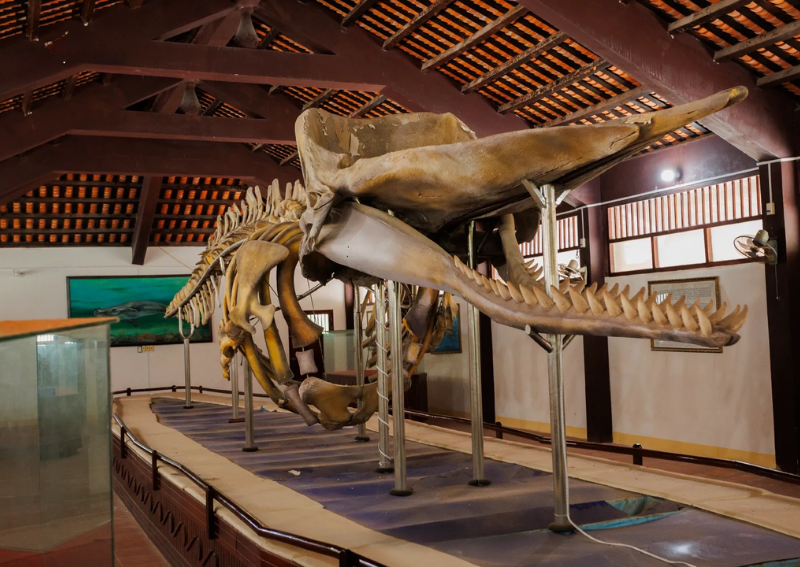
In 1941, the carcass of a whale measuring more than 20 meters washed ashore on Phu Quy and was given a formal burial by the island’s fishing community. The temple built at the site preserves the skeleton and houses the ritual objects associated with the island’s whale worship tradition – a practice rooted in the belief that whales protect fishing boats from storms at sea. It’s a genuinely moving cultural encounter, and the temple guardians are usually happy to share the stories behind the tradition with visiting travelers.
What to Eat in Phu Quy Island
Phu Quy’s food scene is built almost entirely around what the surrounding sea produces, and given the quality of the fishing grounds, that’s a very strong foundation. Prices are considerably lower than on the mainland for comparable quality, and freshness is essentially guaranteed.
- Moon Crab (Mặt Trăng): Named for its distinctive circular shell, this is one of the island’s signature delicacies – sweet, firm-fleshed, and best enjoyed simply steamed or grilled with minimal seasoning to let the natural flavor lead.
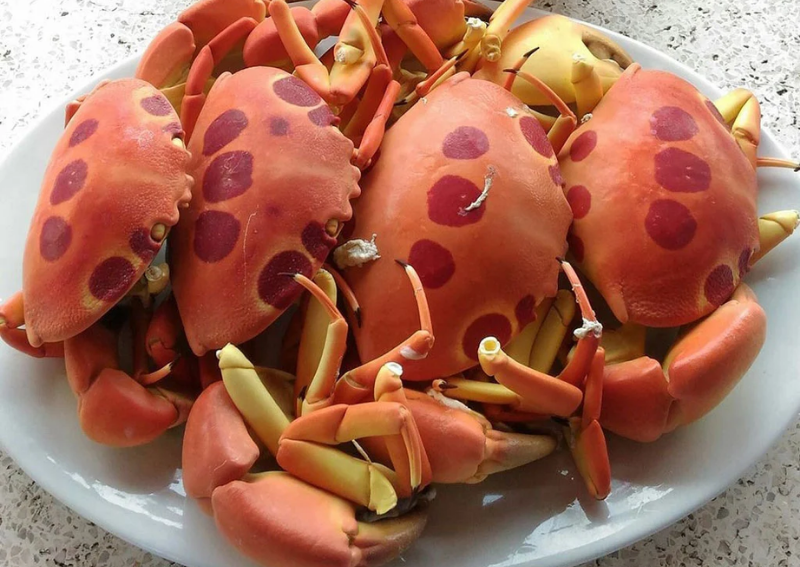
- Huynh De Crab (Cua Huỳnh Đế): A premium crab variety found in the deep waters around Phu Quy, prized for its rich, buttery roe and exceptionally sweet meat. Availability depends on season and catch, when it’s on the menu, order it.
- Oc Giac (Spike Conch): A large sea snail with a distinctive spiky shell, typically prepared grilled with lemongrass and chili or steamed with ginger. The texture is firm and deeply flavored, a good match for the island’s strong local spirits.
Beyond these specialties, the floating platform restaurants (làng bè) dotted around the bay offer the most atmospheric dining experience on the island: Choose your seafood live from the tanks, specify how you’d like it prepared, and eat above the water while the fishing boats move around you.
Recommended dining spots: Hai Phat, Hai Thien, and Dai Nam restaurants are well-regarded by both locals and regular visitors for their consistent quality and honest pricing.
Phu Quy 101: What You Need to Know Before You Go
Book ferry tickets well in advance.
Ferries run to a fixed monthly schedule with only one to two departures in each direction per day. Tickets sell out quickly – particularly during the May–August peak season, and missing your departure means waiting until the following day’s service. Check current schedules with the Binh Thuan Department of Transport before finalizing your travel dates.
Come prepared for a rough crossing.
The Phan Thiet to Phu Quy sea route is considered one of the most challenging ferry crossings in Vietnam, due to crosscurrents and significant wave action on the open water section. Even experienced travelers can find the motion uncomfortable on rougher days. Ferry staff distribute motion sickness bags before departure, accept them. If you have a history of seasickness, take medication at least an hour before boarding and bring spares.
Dress for wind.
The island is consistently breezy, gusty conditions are the norm rather than the exception. Wear fitted, non-loose clothing when out and about, and keep a firm hold on hats, bags, and anything lightweight.
Carry cash.
Most of the island’s restaurants, boat operators, and accommodation providers do not accept card or QR payments. Withdraw sufficient cash before departing the mainland: ATM access on the island is limited.
Book tours and activities in advance.
Snorkeling trips, speedboat hire, and fishing excursions all have limited daily capacity. Reserving through your accommodation the evening before avoids disappointment.
Foreign visitors need advance documentation.
International travelers are permitted to visit Phu Quy, but entry numbers are regulated and the permit process takes time. Begin the documentation process well before your planned travel dates and confirm requirements with the relevant authorities.
Consider camping carefully.
Overnight camping is possible with the right permits, arrange this through your homestay or guesthouse owner, who can navigate the local residency registration requirements on your behalf.
Approximate Budget Reference
| Item | Cost (VND) | Cost (USD approx.) |
| Bus HCM – Phan Thiet | 150,000–250,000/person | ~$6–$10 |
| Ferry ticket (one way) | 250,000/person | ~$10 |
| Motorbike rental | 100,000–120,000/day | ~$4–$5 |
| Homestay/hotel | 100,000–300,000/room/night | ~$4–$12 |
| Food (3 days estimate) | Food (3 days estimate) | ~$20 |
From Island Solitude to City Soul – Saigon Awaits at La Siesta Premium Saigon Central
A journey to Phu Quy Island is, by definition, a deliberate step away from urban life. The crossing alone, hours across open water, creates a distance from the city that makes the island feel like a world apart. Which is precisely its appeal.
But southern Vietnam rewards travelers who combine the remote with the electric. After the fishing villages, the coral reefs, and the wind-swept temple trails of Phu Quy, Ho Chi Minh City offers a completely different register: the energy of Ben Thanh Market spilling onto the surrounding streets, the colonial grandeur of District 1’s French Quarter, the rooftop bars and quiet alley cafes of a city that has been remaking itself for fifty years and shows no signs of stopping.
La Siesta Premium Saigon Central places you at the center of all of it. Sitting just steps from Ben Thanh Market in the heart of District 1 – the most historically and culinarily dense neighborhood in the city, it has earned its consistent recognition among the best boutique hotels in Saigon through elegant Indochine-inspired design, attentive personal service, and the kind of considered hospitality that makes a sprawling, fast-moving city feel navigable rather than overwhelming.
For travelers arriving back from Phu Quy by ferry and bus, or using Saigon as a launchpad before heading out to the island, La Siesta Premium Saigon Central serves as the ideal urban anchor, close to every transport connection, every landmark, and every dish that makes spending a few days in the city genuinely worthwhile. Among the best hotels in Saigon for those who want character and location in equal measure, it turns what could be a mere transit stop into a destination in its own right.
See also: Phu Quoc Island Vietnam 2026: Your Complete Guide | Vinh Hy Vietnam: The Hidden Bay That Rewards Those Who Seek It | Vung Tau Beach Guide: Southern Vietnam’s Most Accessible Coastal Escape