



Com Chay Saigon: The Ultimate Guide to Saigon’s Crispy Rice Delicacy 2026
If there is one snack that captures the spirit of Saigon street food in a single bite, it is com chay Saigon, Vietnam’s beloved crispy rice. Golden, crackling, and piled with savory toppings, this dish has quietly become one of the most photographed and most eaten treats in Ho Chi Minh City. For anyone building out a serious food tour of the city, com chay deserves its own stop right alongside pho and banh mi.
This guide breaks down where com chay comes from, how it is made, why it has earned cult status among locals and visitors alike, and exactly where in District 1 to find the best versions of it.
What Is Com Chay Saigon?
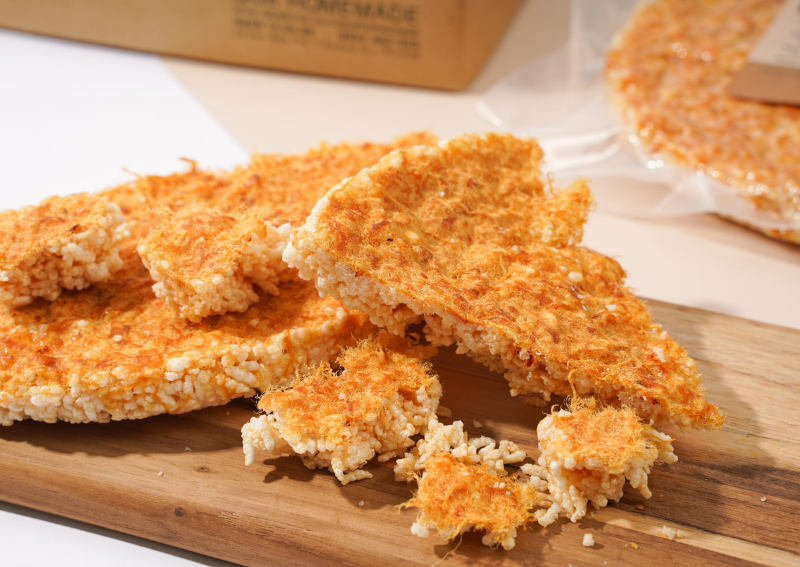
Com chay literally translates to “burnt rice” or “scorched rice,” referring to the crispy layer of rice that forms at the bottom of a cooking pot. In its modern form, it is pressed into thin discs, deep fried or pan fried until golden, and topped with either a rich caramelized sauce called kho quet or a generous layer of pork floss known as cha bong. The result is a dish that is crunchy, savory, slightly sweet, and endlessly snackable.
Quick clarification for travelers: com chay (crispy rice) should not be confused with com chay meaning “vegetarian rice” in Vietnamese, since the two phrases sound similar but describe completely different dishes. The crispy rice snack discussed here is a Southern Vietnamese specialty, not a vegetarian meal.
The Origin Story: From Mekong Delta Kitchens to Saigon Streets
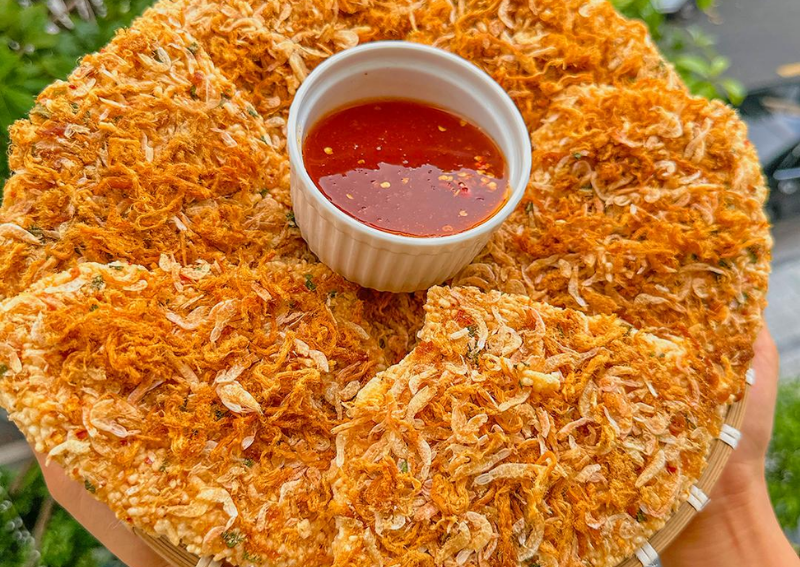
Burn Rice Saigon traces its roots to the Mekong Delta, where resourceful home cooks in the countryside never let a single grain of rice go to waste. After cooking rice over a wood fire, the layer that stuck and browned at the bottom of the pot was scraped off, dried, and fried into a crunchy treat, then dipped into kho quet, a thick sauce simmered from fish sauce, dried shrimp, pork belly, and caramelized sugar.
As waves of migrants from the Mekong Delta moved into Saigon over the decades, they carried this humble farmhouse habit with them. In the city, com chay evolved. Street vendors began pressing rice into neat, shareable discs, and small family businesses developed their own closely guarded recipes, many of which are still passed down today as gia truyen, meaning a family heirloom formula.
Alongside the traditional kho quet style, a newer variation topped with pork floss and chili sauce became a favorite grab-and-go snack for office workers and students, and it is this version most visitors encounter first while exploring Ho Chi Minh City food guide territory around District 1.
How Crispy Rice Is Made
The process behind com chay is simple in concept but demanding in execution, which is exactly why quality varies so much between vendors.
Cooking the Rice
Fragrant or slightly sticky rice is cooked until just tender, never mushy, since the texture of the raw rice determines how well it holds together later.
Pressing and Shaping
The cooked rice is packed tightly into round molds and flattened into thin, even discs.
Drying
The discs are sun dried or air dried for several hours, sometimes longer, to remove moisture and help them crisp up properly during frying rather than turning soggy.
Frying
The dried discs are deep fried in hot oil until they puff slightly and turn a deep golden color, producing that signature shattering crunch.
Topping
The finished rice cracker is either:
- Drizzled with kho quet, the classic caramelized fish sauce and pork mixture, often served with boiled vegetables on the side
- Layered with cha bong (pork floss), scallion oil, dried chili, and crispy shallots for a punchier, more textured bite
- Some modern shops have expanded the topping list even further, offering versions with salted egg, cheese, dried squid, or spicy chicken floss, but the two originals above remain the benchmark for authentic Vietnamese cuisine lovers.
What Makes Com Chay So Special
A few things set com chay apart from other Vietnamese street food:
- Texture contrast. The audible crunch followed by a burst of savory, slightly sweet sauce is part of the appeal, and it is hard to replicate outside Vietnam.
- A story of resourcefulness. The dish began as a way to avoid wasting rice, which gives it a genuine cultural backstory rather than being a manufactured trend.
- Versatility. Com chay works equally well as a late afternoon snack, a shareable appetizer with friends over drinks, or a packaged souvenir to bring home, making it a favorite pick for traditional Vietnamese snacks that travel well.
- Regional identity. The dish is closely tied to Southern Vietnamese, particularly Mekong Delta, food culture, giving it a distinct flavor profile compared to Northern or Central Vietnamese snacks.
For anyone curating a Saigon food tour, com chay checks every box: cheap, photogenic, deeply local, and genuinely delicious.
Where to Try the Best Com Chay in District 1, Saigon
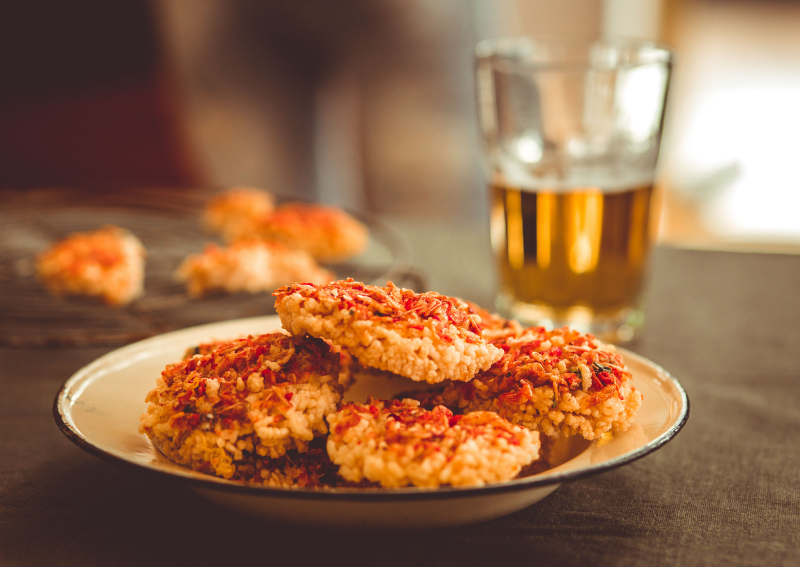
To keep things convenient for visitors staying in the city center, here are three well established spots to try com chay, all located within easy reach of District 1’s main landmarks.
Com Chay Sai Gon
- Address: 555/5 Tran Hung Dao, Cau Kho Ward, District 1, Ho Chi Minh City
One of the longest running names in the game, this shop has been perfecting its com chay for close to two decades using a closely guarded gia truyen recipe. The pork floss here is made from 100 percent real meat with no fillers, and the rice cracker itself is fried fresh in small batches to guarantee a crisp bite every time. It is a favorite stop for anyone mapping out authentic Vietnamese cuisine near the Cau Kho neighborhood.
Com Chay Campuchia
- Address: 1A3 Nguyen Dinh Chieu, Da Kao Ward, District 1, Ho Chi Minh City
Best known for shaping its crispy rice into a distinctive little pot form instead of the usual flat disc, this shop has built a loyal following for its playful presentation and generous toppings. It is a fun, easy detour if you are already wandering the Da Kao area near the Saigon riverfront, and it makes for an especially good souvenir pick thanks to its neat packaging.
Com Chay Nam Ky Khoi Nghia
- Address: Corner of Nam Ky Khoi Nghia and Le Loi Street, Ben Thanh Ward, District 1, Ho Chi Minh City
A true sidewalk institution near Ben Thanh Market food stalls, this humble stand has built its reputation purely on word of mouth. Each portion comes pre packaged with scallion oil, chili sauce, dried pork floss, and shredded meat, ready to eat on the spot or take with you as you continue exploring things to do in Saigon nearby.
Frequently Asked Questions
What does com chay taste like?
Com chay is crunchy and slightly nutty from the fried rice base, balanced by a topping that is either savory and caramel sweet (kho quet style) or salty and umami rich (pork floss style).
Is com chay a meal or a snack?
It is typically eaten as a snack or light appetizer rather than a full meal, though larger portions with extra vegetables can work as a casual lunch.
Can I buy com chay to take home as a souvenir?
Yes. Many shops, including the ones listed above, sell vacuum sealed packages designed to stay fresh for weeks, making com chay one of the most practical edible souvenirs from a Saigon travel guide perspective.
Where is the best area to find com chay in Ho Chi Minh City?
District 1 offers the most convenient concentration of well reviewed shops, particularly around Ben Thanh Market, Da Kao, and the Cau Kho neighborhood, all within a short walk or ride of most Saigon city center hotel options.
Where to Stay in Saigon for Easy Access
After an afternoon spent tracking down crispy rice stalls and sampling your way through the Saigon street food scene, a comfortable place to stay close to the action makes the rest of your Ho Chi Minh City food guide adventure much easier.
Staying at one of the Best hotels in Saigon places you steps away from Ben Thanh Market, Nguyen Hue Walking Street, the Saigon riverfront, and every major District 1 landmark worth visiting between meals.
Recognized among the Best boutique hotels in Saigon, Hanoi La Siesta Premium Saigon Central offers elegant comfort right in the heart of District 1, making it a natural and effortless base for exploring Saigon’s culinary experience, from the crispy rice stalls near Ben Thanh Market to the lively evening scene around Turtle Lake and every other flavor District 1 has to offer.