



Independence Palace Saigon 2026: The Complete Travel Guide to Vietnam’s Most Iconic Landmark
A Monument Frozen in Time – Saigon Historical Sites
Few places in Southeast Asia carry the weight of history quite like the Independence Palace in Ho Chi Minh City. Standing at the heart of District 1, this monumental structure has witnessed empires rise and fall, wars begin and end, and a nation redefine itself on the world stage. For travelers visiting Saigon attractions today, the palace is far more than a museum. It is a portal into one of the most consequential chapters of the 20th century.
Whether you are a history enthusiast, a first-time visitor to Vietnam, or a seasoned backpacker ticking off things to do in Ho Chi Minh City, the Independence Palace belongs at the top of your list. This guide covers everything you need to know, from its storied past to practical tips for your visit.
What Is the Independence Palace Saigon (Reunification Palace)?
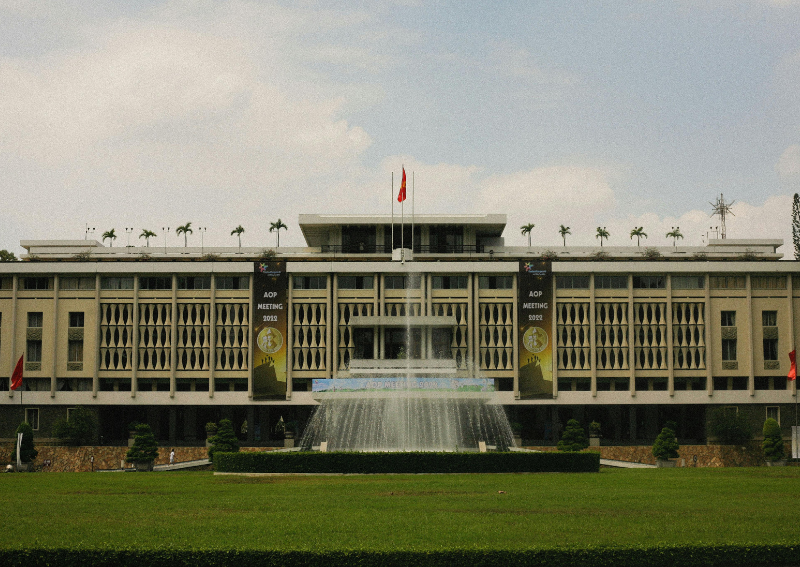 The Independence Palace, known in Vietnamese as Dinh Doc Lap, is also widely called the Reunification Palace. Both names carry deep meaning. “Independence” reflects the ambitions of South Vietnam’s leaders during the Cold War era. “Reunification” marks the historic moment on April 30, 1975, when North Vietnamese tanks crashed through the palace gates, ending the Vietnam War and reuniting the country.
The building sits at 135 Nam Ky Khoi Nghia Street, Ben Thanh Ward, District 1, Ho Chi Minh City. Its location places it squarely in the city’s most walkable and tourist-friendly neighborhood, making it one of the most accessible Saigon attractions for international visitors.
Independence Palace History: The History Behind the Walls
From French Colonial Power to Vietnamese Independence
The story of the Independence Palace begins long before the building that stands today. The original structure on this site, known as Norodom Palace, was built between 1868 and 1873 under French colonial rule. For nearly a century, it served as the official residence of the Governor-General of French Indochina, a symbol of foreign power over the Vietnamese people.
When the French withdrew following the Geneva Accords of 1954, the palace was handed over to South Vietnamese President Ngo Dinh Diem. Renamed the Presidential Palace, it became the nerve center of governance in the South.
A Building Bombed Into History – Vietnam War Landmarks
On February 27, 1962, two South Vietnamese Air Force pilots, disenchanted with President Diem’s rule, flew their aircraft directly at the palace and dropped bombs on the left wing, causing severe structural damage. Diem survived and ordered the original structure demolished. A new, purpose-built palace was commissioned, designed by celebrated Vietnamese architect Ngo Viet Thu, who won the Grand Prix de Rome.
Construction of the new building took four years. Completed in 1966, it blended modernist architecture with subtle Vietnamese aesthetic references. The building’s layout, viewed from above, is said to resemble the Chinese character “吉” (ji), meaning good fortune.
April 30, 1975: The Day That Changed Everything
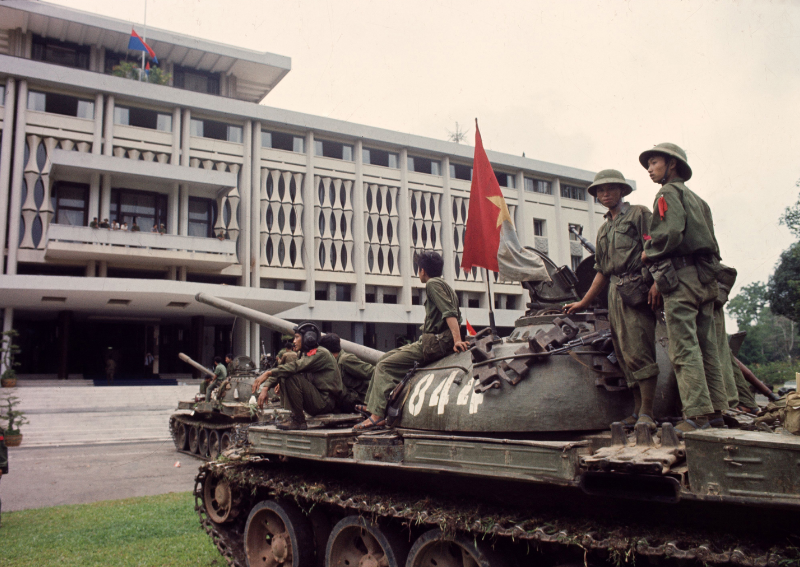 The defining moment in the palace’s history came at 11:30 AM on April 30, 1975. Tank 843 of the North Vietnamese Army crashed through the wrought-iron gates, followed closely by Tank 390. A soldier ran to the rooftop and raised the flag of the Provisional Revolutionary Government of the Republic of South Vietnam. General Duong Van Minh, the last president of South Vietnam, was inside awaiting instructions. He surrendered unconditionally. The Vietnam War was over.
That image of the tank breaking through the gates became one of the most reproduced photographs of the 20th century. Today, replica tanks are displayed on the palace’s front lawn as a permanent reminder of that morning.
What to See Inside the. Independence Palace
The palace preserves its 1960s and 1970s interior almost exactly as it was on the day it fell. Walking through its rooms feels genuinely cinematic. Here are the key highlights:
The Presidential Office and State Reception Rooms
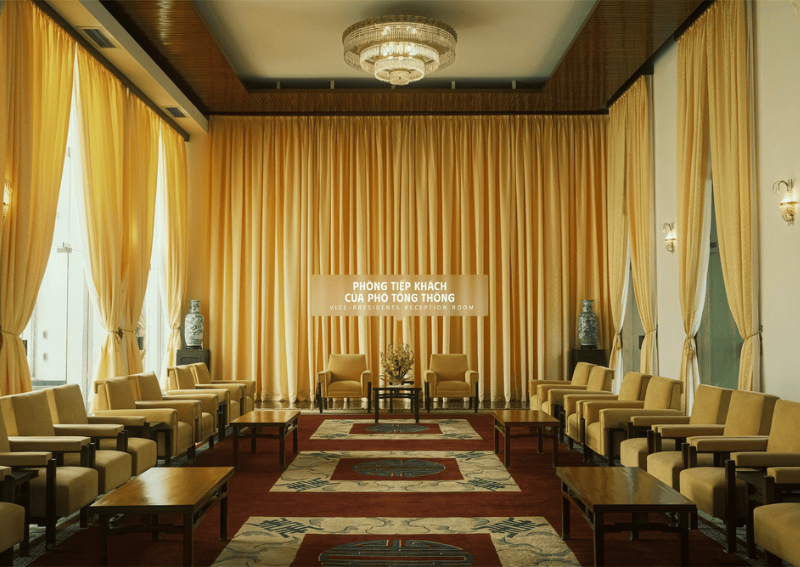 The formal spaces where President Nguyen Van Thieu received foreign dignitaries remain intact, complete with gilded furniture, lacquered panels, and sweeping landscape paintings. The atmosphere carries a particular kind of faded grandeur.
The Cabinet Meeting Room
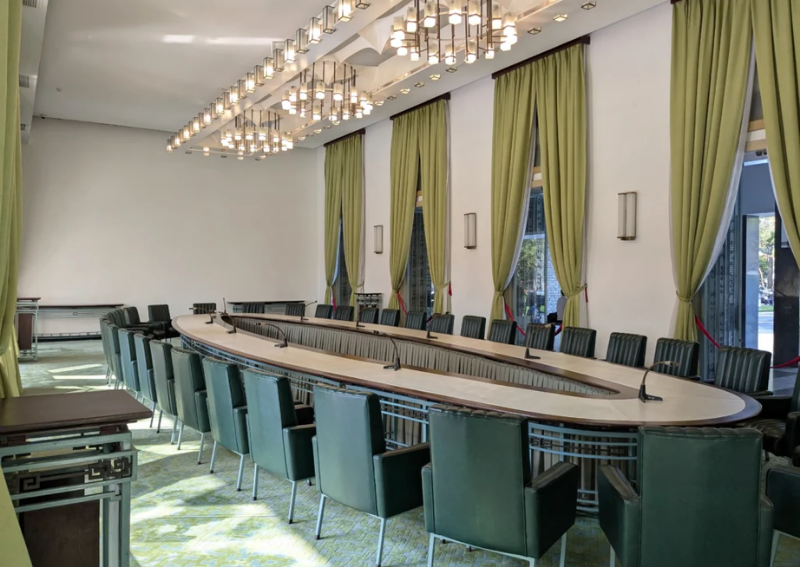 This oval room was the seat of South Vietnam’s executive decision-making. The original table, chairs, and communication equipment are all preserved in place.
The Rooftop Helipad
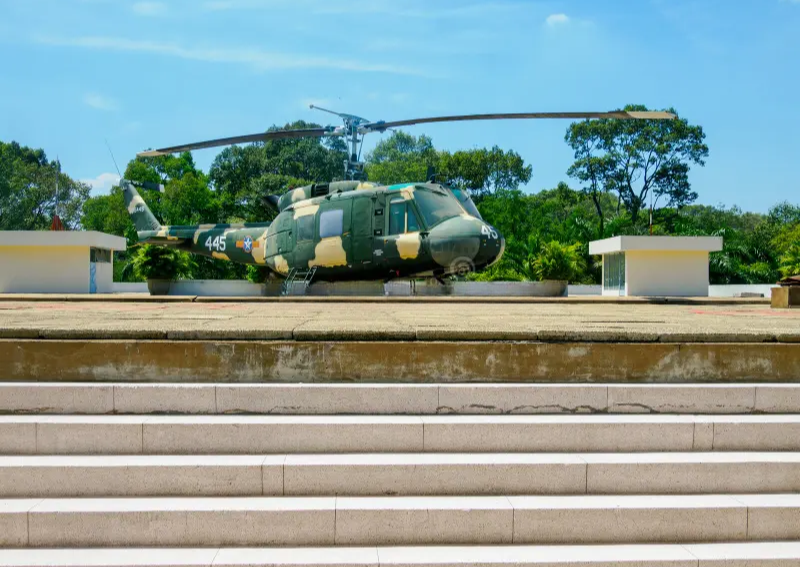 From here, on that April morning, a helicopter evacuated members of the presidential family before the tanks arrived. The rooftop offers sweeping views over central District 1 and is a striking reminder of how abruptly power can shift.
Independence Palace Underground Bunker
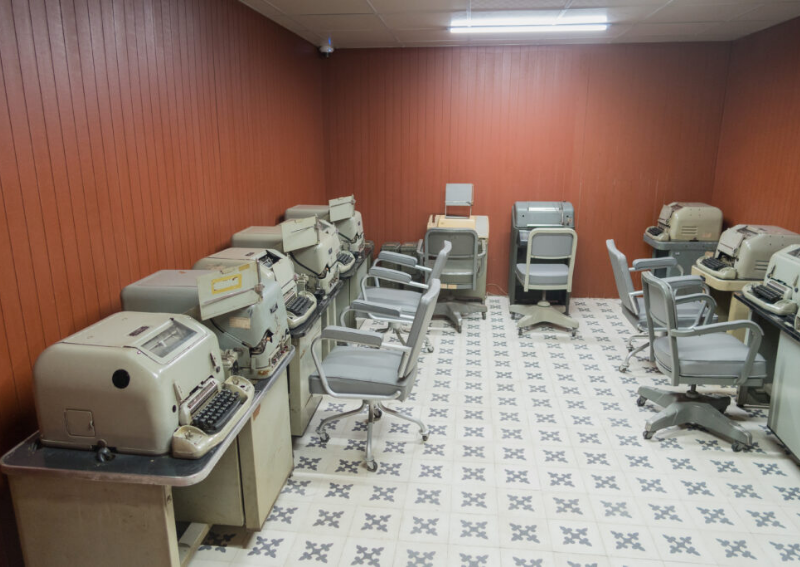 This is arguably the most riveting part of the visit. Buried beneath the palace is an extensive network of tunnels, command rooms, communication centers, and war-room maps still showing troop positions. The bunker was designed to allow the South Vietnamese government to continue operating even under sustained aerial bombardment. Walking through it offers a visceral sense of wartime tension.
Tank 843 and Tank 390
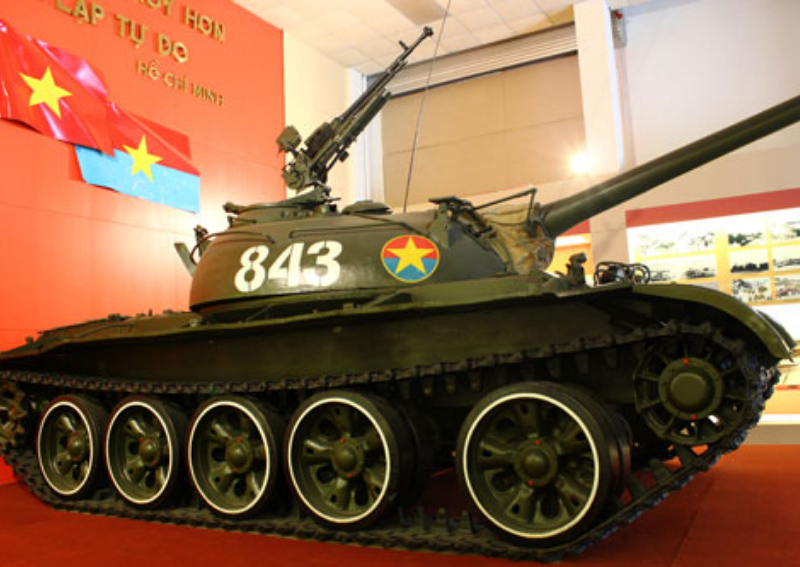 Two replica tanks sit on the front lawn. They are exact replicas of the vehicles that broke through the gates on April 30, 1975, and remain among the most photographed objects in Ho Chi Minh City.
The Exhibition Hall
The on-site exhibition “From Norodom Palace to Independence Palace 1868 to 1966” traces the full arc of the site’s history, from French colonial construction through the demolition of the original palace and the building of today’s structure. It provides essential context for everything you see in the main building.
Practical Visitor Information
Opening Hours
The Independence Palace is open to visitors daily, including weekends and public holidays (except for special occasions announced in advance).
- Main palace building: 8:00 AM to 4:30 PM
- Ticket counter: 8:00 AM to 3:30 PM (no tickets sold after 3:30 PM)
- Exhibition hall: 8:30 AM to 4:30 PM
Ticket Prices
Entrance fees are among the most affordable for any major Saigon attraction:
- Adults (16 and above): 40,000 VND (approximately USD 1.50)
- Students: 20,000 VND
- Children: 10,000 VND
- Combo tickets including the exhibition hall:
- Adults: 65,000 VND (approximately USD 2.50)
- Students: 45,000 VND
- Children: 15,000 VND
Optional audio guides are available in multiple languages, including English, French, German, and Mandarin, for an additional fee. For travelers who want context and storytelling woven into their walk, the audio guide is highly recommended.
How Long to Spend There
A thorough visit covering the main palace, underground bunker, gardens, and exhibition hall typically takes 1.5 to 2 hours. Budget closer to 2.5 hours if you linger in the bunker or spend time with the exhibition.
Best Time to Visit Independence Palace
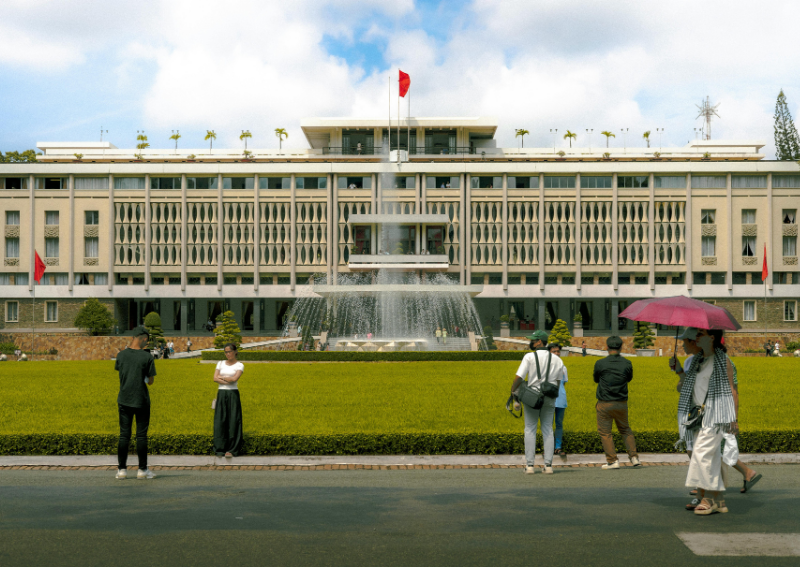 The best time to visit the Independence Palace is between 8:00 AM and 10:00 AM. The morning light is softer, temperatures are cooler, and crowds are thinner. Late afternoons are also pleasant but the ticket window closes at 3:30 PM, so plan accordingly.
Avoid visiting during the hottest midday hours (11:00 AM to 2:00 PM) as the grounds involve considerable outdoor walking and Ho Chi Minh City temperatures regularly exceed 35 degrees Celsius.
How to Get to the Independence Palace
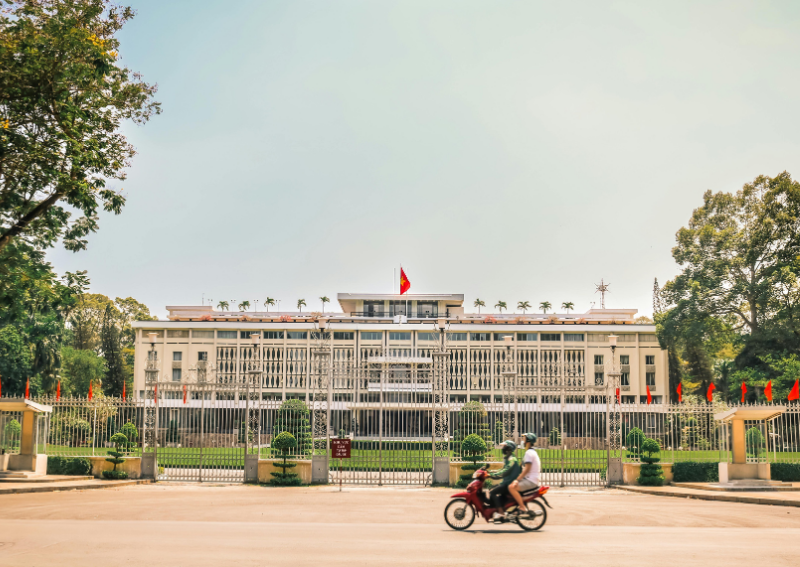 The palace’s central District 1 address makes it straightforward to reach from virtually anywhere in the city.
- On Foot: If you are staying in central District 1, the palace is walkable from most major hotels, the Ben Thanh Market area, and the Nguyen Hue Walking Street. A 10 to 15 minute stroll is typical.
- By Grab (Rideshare): Grab, Vietnam’s dominant rideshare app, is the easiest and most reliable option for visitors coming from further afield. A ride from most District 1 or District 3 hotels costs between 30,000 and 60,000 VND.
- By Taxi: Traditional metered taxis such as Vinasun and Mai Linh are widely available. Confirm the meter is running at the start of your journey.
- By Motorbike Taxi (Xe Om): If you are comfortable on motorbikes, xe om drivers are plentiful near all major tourist areas. Agree on a price before departing.
- Parking: If you are driving or using a motorbike, limited parking is available on nearby streets including Huyen Tran Cong Chua Street and the surrounding blocks.
Entry Gates: Tickets can be purchased at the main gate on Nam Ky Khoi Nghia Street or at the side gate on Nguyen Du Street.
Combining Your Visit With Nearby Attractions
The Independence Palace sits within easy walking distance of several other major Ho Chi Minh City attractions, making it a natural anchor for a half-day or full-day itinerary in central Saigon.
- Notre-Dame Cathedral Basilica of Saigon (600 meters): One of the most recognizable landmarks in the city, the Cathedral was built by French colonists between 1863 and 1880 and remains an architectural jewel in District 1.
- Saigon Central Post Office (700 meters): Designed by Gustave Eiffel’s firm and completed in 1891, the Central Post Office is one of the finest examples of French colonial architecture in Southeast Asia and still functions as a working post office.
- War Remnants Museum (600 meters): An unflinching and at times harrowing account of the Vietnam War from the Vietnamese perspective. Paired with the Independence Palace, the two form the most complete historical portrait of the conflict available in a single afternoon.
- Tao Dan Park (adjacent): The city’s most beloved public park directly borders the palace grounds. It is ideal for a quiet walk before or after your palace visit, particularly in the morning when locals practice tai chi and badminton among the trees.
- Ben Thanh Market (1.2 kilometers): The city’s iconic covered market is a short walk or quick Grab ride away and offers an ideal contrast of street food and local commerce after your historical morning.
Why the Independence Palace Matters
To understand the Independence Palace is to understand modern Vietnam. The building encapsulates over a century of colonial subjugation, nationalist aspiration, Cold War proxy conflict, and ultimately, reunification. Its preserved interior tells the story not just of a single government or ideology but of an entire civilization navigating one of the most turbulent periods in modern history.
For visitors from Europe, North America, and Australia, the palace also offers a perspective on the Vietnam War that is rarely found in Western sources. Standing in the bunker, looking at the operational maps and communications equipment, you begin to feel the scale of what was at stake. The experience has a way of reframing familiar history in quietly powerful terms.
The palace is not presented as a triumphalist monument, nor as a place of mourning. It is preserved as a document in stone and steel, inviting each visitor to draw their own conclusions. That restraint is part of what makes it one of the most affecting historical sites in Southeast Asia.
Where to Stay for the Best Saigon Experience – La Siesta Premium Saigon
After a day spent absorbing the weight of history at the Independence Palace and the surrounding Saigon attractions, choosing the right place to stay makes a real difference to the quality of your trip.
La Siesta Premium Saigon stands out among the Best hotels in Saigon, offering a calm and elegant retreat right in the city center. Its Indochine-inspired design and attentive service create a relaxing atmosphere after a busy day exploring the city.
Recognized as one of the Best boutique hotels in Saigon, La Siesta Premium Saigon is especially suitable for travelers who want both comfort and convenient access to Saigon attractions. Guests benefit from the hotel’s central District 1 location, which means the Independence Palace, the War Remnants Museum, the Notre-Dame Cathedral, and the Nguyen Hue Walking Street are all within easy reach. After the intensity of a full day of historical exploration, returning to a beautifully designed room with thoughtful service and a considered aesthetic makes the entire trip feel cohesive and complete.
For travelers visiting Ho Chi Minh City from Europe, North America, or Australia who want their accommodation to match the cultural richness of the city itself, La Siesta Premium Saigon delivers exactly that balance.