


Banh Canh in Ho Chi Minh City 2026: A Local Guide to Vietnam’s Comforting Thick Noodle Soup
Vietnam is famous for pho and banh mi, but some of the country’s most comforting dishes are less familiar to international visitors. One of them is banh canh, a hearty Vietnamese noodle soup made with thick, chewy noodles and a deeply flavoured broth.
Banh Canh in Ho Chi Minh City takes on a particularly rich and varied character. Seafood versions are especially popular, while crab, shrimp, pork and fish can all appear in different bowls.
If you are looking for an authentic Vietnamese noodle soup beyond pho, banh canh is an excellent place to start.
What is Banh Canh Vietnam?
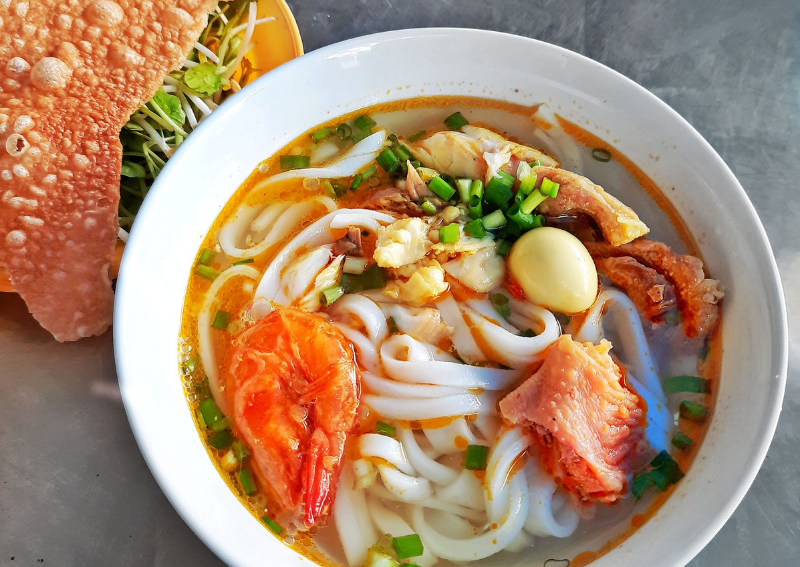 Banh canh is a Vietnamese noodle soup named after its distinctive noodles. Unlike the thin rice noodles used in pho or bun, banh canh noodles are thick, short and chewy. The noodles are commonly made from rice flour, tapioca flour, or a combination of the two. Tapioca gives them their characteristic springy texture and slightly translucent appearance.
The toppings and broth vary considerably depending on the region. You may find crab, shrimp, pork, fish cake, pork knuckle or other seafood served with the noodles. This regional flexibility is part of what makes banh canh Vietnam so interesting. There is no single recipe that defines the dish.
What Does Banh Canh Vietnam Taste Like?
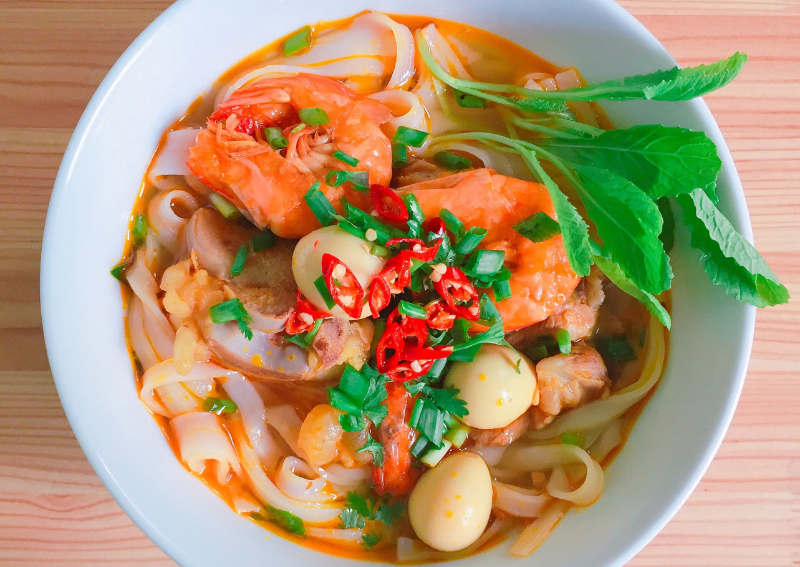 The flavour depends on the style you order, but a good bowl of banh canh is usually savoury, comforting and full-bodied. The noodles have a soft yet pleasantly chewy texture, quite different from pho. Seafood versions often have a naturally sweet broth, while crab varieties can be richer and thicker, sometimes with a glossy texture created by crab roe and starch.
In Southern Vietnam, flavours can lean slightly sweeter and more generous, reflecting the broader character of Southern Vietnamese food. Fresh herbs, spring onions, black pepper, chilli and lime may be added at the table, allowing diners to adjust the balance of richness, acidity and heat.
When Do Vietnamese People Eat Banh Canh?
Banh canh is an everyday food rather than a dish reserved for a particular festival or occasion. Depending on the restaurant, it can make a satisfying breakfast, lunch or dinner. Some local shops open early in the morning, while others serve their bowls into the evening.
For visitors, this makes banh canh an easy dish to add to almost any Ho Chi Minh City food itinerary. If you have spent the morning sightseeing and want something more substantial than a snack, a bowl of banh canh makes a comforting midday meal. Seafood versions can also be particularly satisfying after exploring the city’s busy markets and streets.
Why is Banh Canh Special in Ho Chi Minh City?
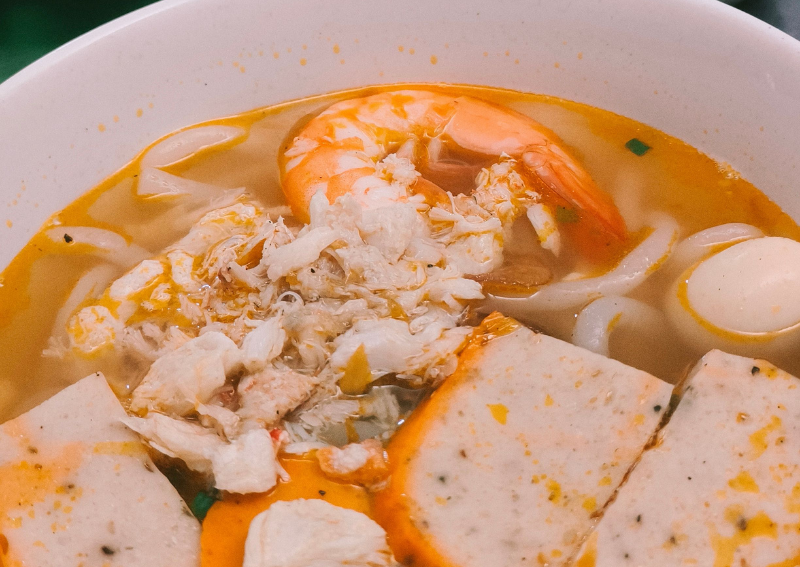 Ho Chi Minh City is home to many versions of banh canh, but banh canh cua, or crab noodle soup, has become particularly associated with Saigon’s food culture.
A typical bowl can combine thick noodles with crab meat, quail eggs, pork, fish cake and a rich crab-flavoured broth. Some versions are noticeably thicker than other Vietnamese noodle soups, creating a texture that almost clings to the noodles.
The city’s large Chinese-Vietnamese community and its connections with southern coastal and Mekong Delta food traditions have also contributed to the diversity of local noodle dishes. For travellers, this means that trying banh canh in Saigon is not simply about finding one definitive recipe. It is about discovering how the city adapts a familiar Vietnamese comfort food in different ways.
Popular Types of Banh Canh Vietnam to Try
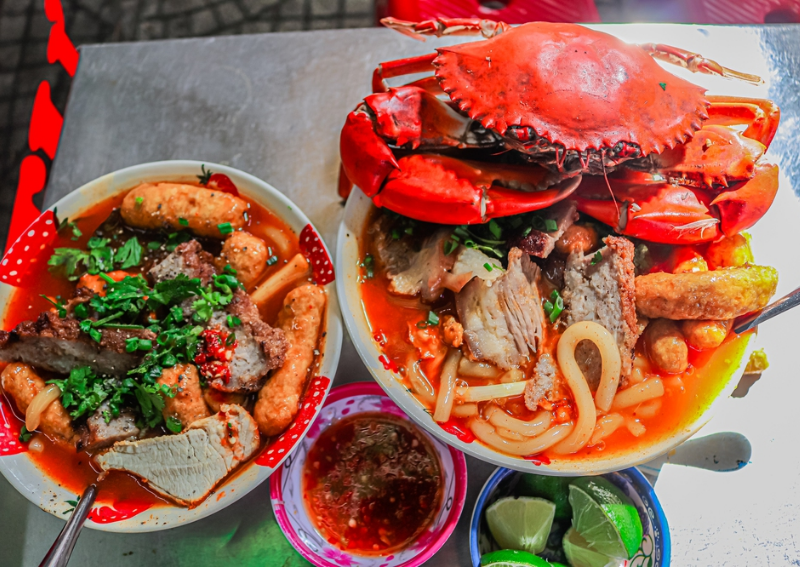 Banh Canh Cua
The most famous Saigon style is banh canh cua, made with crab. The broth is usually rich and savoury, while crab meat and other toppings make the bowl particularly substantial. Look for versions containing quail eggs, pork, fish cake or crab roe. A squeeze of lime and some freshly ground pepper can help balance the richness.
Banh Canh Ghe
Banh canh ghe uses sea crab and is particularly appealing to seafood lovers. The broth can be sweet and savoury, with generous pieces of crab served alongside the chewy noodles. Some restaurants serve the dish with a chilli and salt dipping sauce, giving diners the option of adding extra heat and acidity.
Banh Canh Tom
Shrimp versions offer a lighter alternative to crab. The broth is often naturally sweet from the seafood, while whole shrimp provide a simple but satisfying topping. This can be a good introduction to banh canh if you prefer seafood flavours but want something less rich than a crab-based bowl.
Banh Canh Ca Loc
Banh canh ca loc uses snakehead fish and is associated with southern Vietnamese cuisine. The preparation varies, but the dish generally combines soft pieces of fish with thick noodles and a savoury broth. It is worth trying if you want to explore a style beyond the better-known crab versions.
Where to Eat Banh Canh in Ho Chi Minh City
Bánh Canh Cua 87
- Address: 87 Tran Khac Chan, Tan Dinh, Ho Chi Minh City
Banh Canh Cua 87 is a long-running local favourite known for its focused menu of crab noodle soup. Its signature bowl combines thick noodles with crab and other familiar toppings such as quail eggs. The restaurant’s location in Tan Dinh makes it convenient for travellers exploring one of the city’s livelier neighbourhoods. It is a good choice if your priority is trying a classic bowl of banh canh cua in Ho Chi Minh City without turning the meal into a formal dining experience.
Bánh Canh Cua 14
- Address: 221 Tran Binh Trong, Ho Chi Minh City
Banh Canh Cua 14 is a popular destination for a generous bowl of crab noodle soup and is particularly convenient for visitors exploring District 5 and the surrounding Cholon area. The combination of thick noodles, seafood and a rich broth makes it representative of the hearty style many visitors associate with Saigon banh canh. With its casual atmosphere and broad opening hours, it also works well for travellers looking for an approachable introduction to one of the city’s best-known versions of this traditional noodle soup.
Banh Canh Cua Ngoc Trinh
- Address: 865 Tran Xuan Soan, Tan Hung, Ho Chi Minh City
Banh Canh Cua Ngoc Trinh specialises in crab noodle soup and offers a casual setting for visitors who want to explore a distinctly southern interpretation of the dish. The bowl centres on the characteristic thick banh canh noodles paired with crab and a savoury seafood broth. Its location in District 7 makes it slightly removed from the main tourist centre, which can appeal to travellers interested in venturing beyond the most visited parts of Ho Chi Minh City and exploring neighbourhood food culture.
Bánh Canh Ghẹ Muối Ớt Xanh
- Address: 484 Nguyen Tri Phuong, Ho Chi Minh City
This restaurant focuses on banh canh ghe, using sea crab rather than the more familiar crab meat found in many banh canh cua bowls. Its signature combination pairs the thick noodles and seafood broth with green chilli salt, creating a brighter and more intense contrast. The restaurant is located in District 10, an area known for its wide range of local food. For travellers who enjoy seafood and chilli, this is an interesting alternative to the richer traditional crab noodle soups found elsewhere in the city.
Bánh Canh Cua Út Thảo
- Address: 171 Le Thanh Ton, Ben Thanh, Ho Chi Minh City
For visitors staying around central District 1, Banh Canh Cua Ut Thao offers a particularly convenient way to try Saigon-style crab noodle soup. The restaurant is located on Le Thanh Ton, within easy reach of Ben Thanh and many central attractions. Its focus on crab makes it a straightforward choice for first-time visitors looking to understand why banh canh cua has become one of the city’s most recognisable noodle dishes. It is especially useful for travellers who want to keep their food exploration close to the city centre.
How to Eat Banh Canh Vietnam Like a Local
Banh canh is generally eaten with a spoon and chopsticks. Use the chopsticks to pick up the thick noodles and toppings, while the spoon is useful for tasting the broth and enjoying smaller ingredients such as crab meat or quail egg. Do not be afraid to add condiments. Depending on the restaurant, you may find lime, chilli, black pepper, fish sauce or chilli salt on the table.
Start with a few spoonfuls of the broth before adding anything. This lets you taste the chef’s original balance before adjusting it to your preference.
What Makes Banh Canh Different from Pho?
The biggest difference is the noodles. Pho uses thin, flat rice noodles, while banh canh uses thick, round noodles with a soft and chewy texture. The broth can also be noticeably thicker, particularly in crab-based versions. Pho tends to have a more delicate noodle texture, while banh canh feels heartier and more substantial.
If you enjoy Vietnamese noodle dishes, trying both is worthwhile. They show how dramatically Vietnamese cuisine can change simply through different noodles, broths and toppings.
Tips for Trying Banh Canh Vietnam for the First Time
If you are new to the dish, start with banh canh cua. It is one of the most recognisable versions in Ho Chi Minh City and gives you a good introduction to the combination of chewy noodles, seafood and rich broth.
Be aware that the soup can be filling. A bowl may contain noodles, crab, pork, seafood, quail eggs and other toppings.
If you prefer lighter flavours, choose a shrimp or fish version. Most importantly, do not compare banh canh directly with pho. The appeal lies in its thicker noodles, richer texture and more substantial toppings.
Where to Stay for a Banh Canh Food Experience in Saigon
For travellers who want to explore Ho Chi Minh City street food without spending too much time commuting, staying in the city centre makes it easier to reach different neighbourhoods and local restaurants.
La Siesta Premium Saigon, one of the best boutique hotels in Ho Chi Minh city and recognized as number 9 among Top 10 Best Hotels in Vietnam by Tripadvisors, offers a calm and elegant base in the heart of the city, making it convenient to explore District 1 as well as venture further into District 5, District 10 and other neighbourhoods known for local food.
Its Indochine-inspired interiors create a connection with the cultural layers of Saigon, while thoughtful service and comfortable facilities provide a welcome retreat after a day of exploring the city’s food scene.
For travellers researching the Best hotels in Ho Chi Minh city, La Siesta Premium Saigon combines a central location with boutique character, making it an appealing choice for those who want to experience the city on foot while still having a comfortable place to return to.