


Phu Quoc Island Vietnam 2026: Your Complete Guide to the Pearl Island
Some islands earn their reputation gradually. Phu Quoc earned its through sheer, undeniable quality — pristine beaches that consistently rank among the finest in Asia, a food culture built entirely around what came out of the sea that morning, and a pace of life that has somehow remained genuinely relaxed despite growing international attention. Named Asia’s most beautiful island and third globally by Condé Nast Traveler in 2025, and a four-time consecutive winner at the World Travel Awards for “World’s Leading Nature Island Destination,” Phu Quoc Island Vietnam is not trading on hype. It’s delivering on it.
Here’s everything you need to plan a visit that actually does it justice.
Quick Reference
- Best for: Beach lovers, families, couples, adventure travelers
- Best time to visit: November to April
- Getting around: Taxis, motorbike rentals, resort transfers
- Visa: Visa-free entry for up to 30 days for international visitors arriving directly to Phu Quoc
Where Is Phu Quoc Vietnam and How Do You Get There?
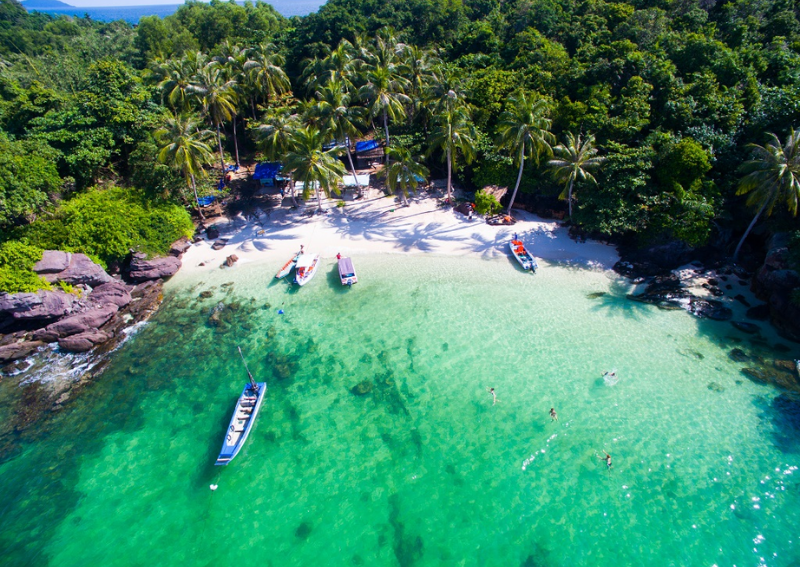
Phu Quoc is Vietnam’s largest island, positioned in the Gulf of Thailand off the country’s southern coast, forming part of Kien Giang Province alongside the Tho Chu Archipelago and several smaller neighboring islands. Despite its remote feel once you’re there, getting to Phu Quoc Island is remarkably straightforward.
By Air Phu Quoc International Airport receives direct flights from Hanoi, Ho Chi Minh City, and Da Nang, as well as select international routes from Singapore, Seoul, and Hong Kong. Flying is by far the most convenient option for most travelers, and domestic flight times are short enough that even a long weekend visit is entirely viable.
By Ferry For travelers already in the Mekong Delta region, ferries from Rach Gia or Ha Tien on the mainland offer a scenic alternative, with crossing times of approximately 1.5 to 2.5 hours depending on your departure point. The journey across the Gulf of Thailand, with the island gradually appearing on the horizon, is a pleasant way to arrive.
When Is the Best Time to Visit Phu Quoc?
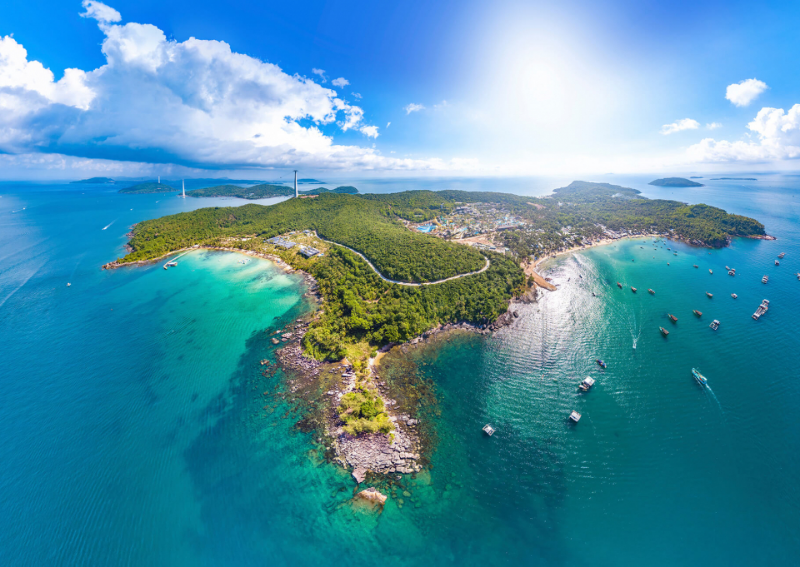
The best time to visit Phu Quoc is during the dry season, which runs from November through April. During these months you can count on calm, clear seas, reliable sunshine, and ideal conditions for every beach and water activity the island offers. Temperatures hold steady at around 27–28°C year-round, so packing is simple regardless of when you go, light, breathable clothing covers every occasion.
The wet season from May to October brings heavier rainfall, particularly between July and September, and seas can become choppy enough to affect boat trips and island-hopping tours. If your travel dates fall within this window, the southern beaches, particularly Sao Beach and Khem Beach, tend to offer more sheltered conditions than the northern and western shores.
Why Phu Quoc Island Vietnam Stands Apart
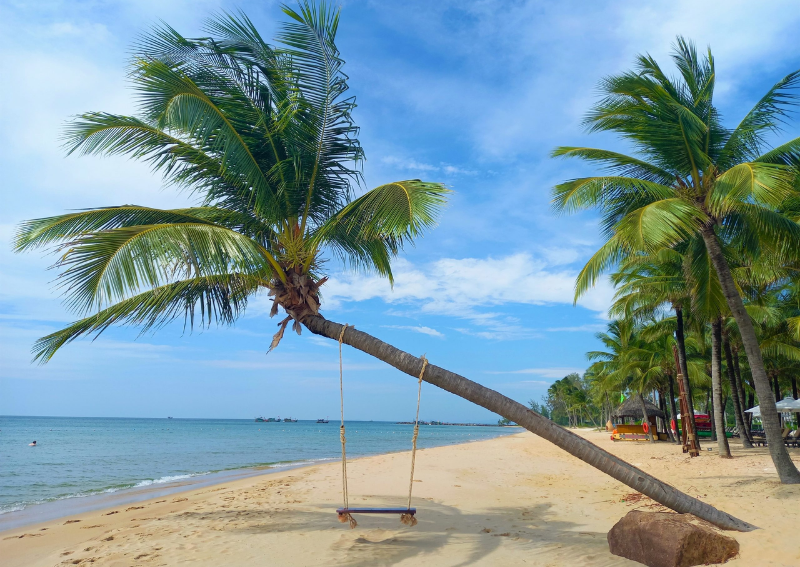
Phu Quoc isn’t simply another tropical island with a beach and some coconut palms. What sets it apart is the combination of genuine natural diversity, living cultural heritage, and a breadth of experiences that ranges from total tranquility to world-class entertainment, often within a short drive of each other.
The island’s 150-kilometer coastline encompasses beaches of entirely different characters. Its interior rises through 99 forested peaks within a national park that covers over 31,000 hectares and shelters approximately 1,400 plant species and 480 animal species. Traditional fishing villages still operate much as they have for generations. And the island produces two of Vietnam’s most prized culinary exports, Phu Quoc fish sauce and Phu Quoc black pepper, both of which carry protected geographical indication status.
This isn’t a destination that exhausts itself in two days. It reveals itself gradually, and that’s the point.
What to See in Phu Quoc: The Island’s Best Experiences
Phu Quoc Beaches – A Coastline with Something for Everyone
Sao Beach
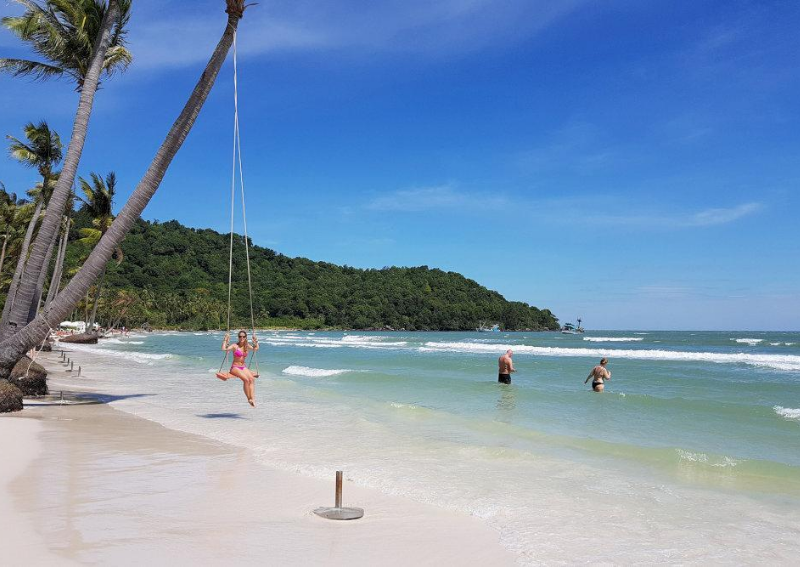
Consistently cited as one of the finest beaches in Southeast Asia, Sao Beach delivers the classic tropical paradise image: soft powdery white sand, calm turquoise water, and a fringe of casuarina trees providing natural shade. The gentle surf makes it ideal for swimming at any time of day, and sunrise here, when the beach is at its quietest, is genuinely spectacular.
Khem Beach
A crescent-shaped bay in the south of the island, framed by emerald-forested headlands and home to some of the island’s most refined resort development. The combination of world-class seafood restaurants and naturally beautiful surroundings makes Khem a strong base for travelers who want luxury without sacrificing authenticity.
Bai Dai Beach
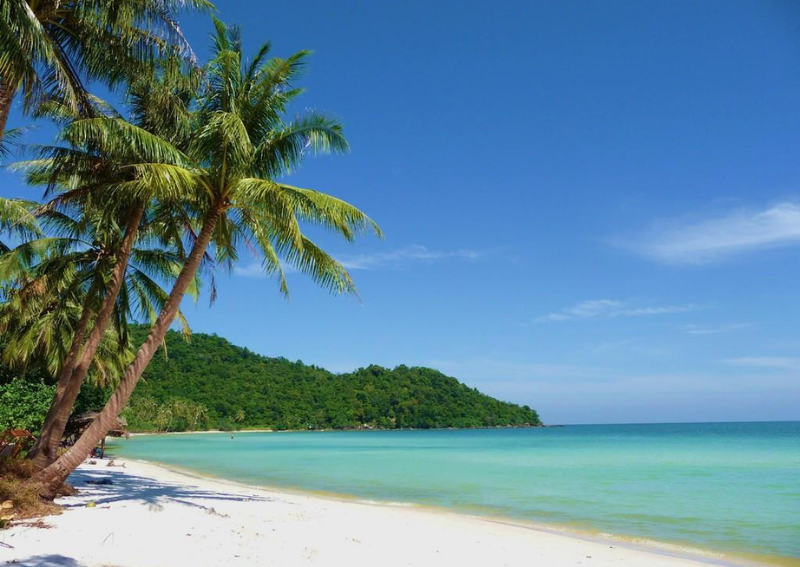
Stretching 15 kilometers along the northwest coast, Bai Dai was recognized among the world’s 50 most beautiful beaches by US News & World Report. It’s long enough to feel genuinely uncrowded even on peak-season weekends, and the calm waters make it excellent for kayaking and snorkeling.
Ong Lang Beach
A quieter alternative on the northwest coast, Ong Lang offers peaceful swimming conditions and vibrant coral reef diving just minutes from the main Vinpearl complex. It draws a more independent traveler crowd and has a noticeably more relaxed atmosphere than the busier southern beaches.
Starfish Beach and Ganh Dau
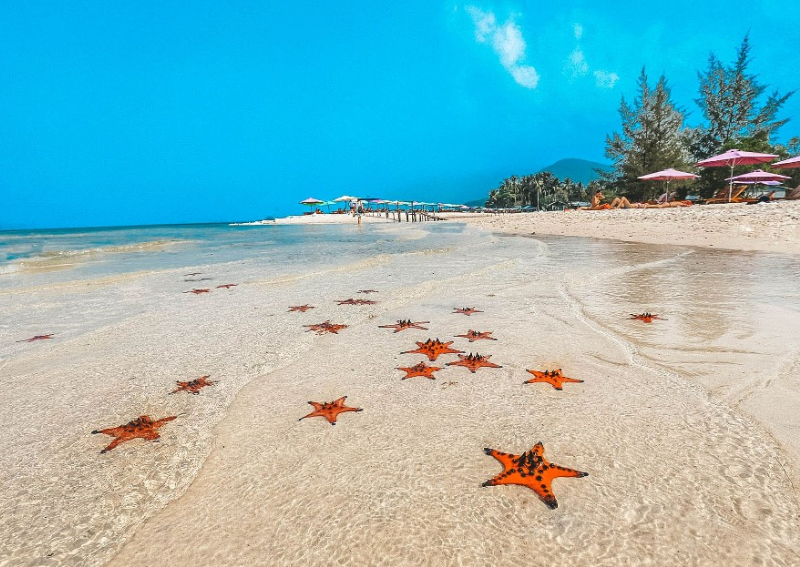
In the far north, Starfish Beach is best visited at dawn, the namesake starfish are most visible in the early morning shallows before the day warms up. Ganh Dau, nearby, offers dramatic rock formations and a sense of isolation that feels increasingly rare on a developing island.
Kiss Bridge (Cau Hon) – Phu Quoc’s Most Romantic Landmark
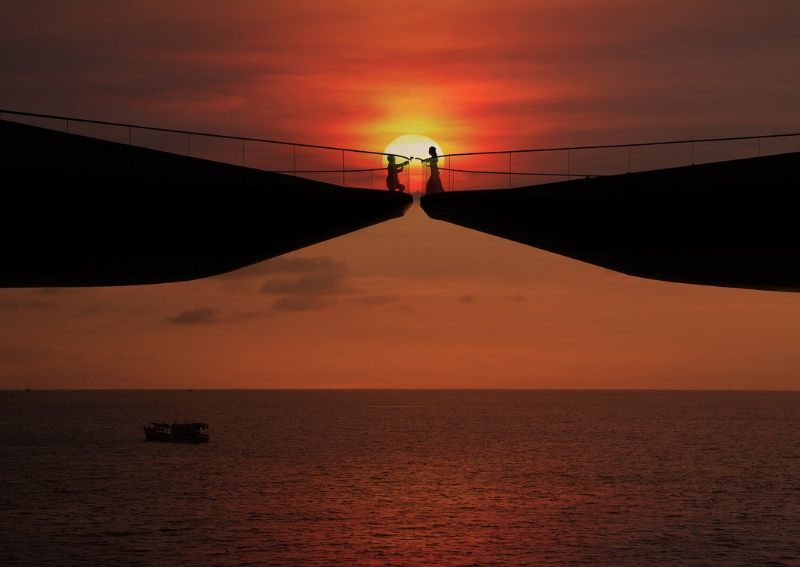
One of the island’s most talked-about new attractions, Kiss Bridge (also known as Cau Cham – “the bridge of touch”) consists of two pedestrian walkways extending 800 meters over the sea from Sunset Town, their tips deliberately left separated by just enough space for an embrace, a handshake, or a kiss. The intentional gap between the two arms of the bridge – designed to evoke the longing of connection across distance — has caught the attention of CNN, which named it a “destination of the kiss,” and Cheddar News, which highlighted it as one of the world’s new must-visit sunset spots. The structure is as photogenic as it sounds, and the sunset views from the walkway are extraordinary.
Phu Quoc National Park

Covering more than 31,000 hectares across the island’s interior and northern reaches, Phu Quoc National Park is one of the most biodiverse protected areas in southern Vietnam. Four marked trekking trails offer routes from beginner-friendly to genuinely challenging: the Suoi Tien Stream trail (4km), the National Park Center Forest Trail (4km), the Bat Cave to Mount Tien Son route (3km+), and the Thay Tu Waterfall trail (9km). The longer routes cross crystal-clear mountain streams, pass through limestone bat cave systems, and summit peaks for panoramic forest views that most island visitors never see.
Tranh Stream
Located 10 kilometers from Duong Dong town, Tranh Stream descends from the Ham Ninh mountains through a rocky channel to a two-meter waterfall feeding a clear natural pool. The approach follows a stone-paved trail through dense tropical forest, about 30 minutes of easy walking. The waterfall is at its most dramatic from June to September when water levels peak, making this an excellent destination during the wet season when some beach activities are limited.
Ho Quoc Pagoda
Built in 2011 on a hillside in the north of the island, Ho Quoc Pagoda draws on the architectural vocabulary of Vietnam’s Ly and Tran dynasties across a 12-hectare site with a genuinely exceptional feng shui position: the sea stretching before it, mountains rising behind. The combination of spiritual atmosphere, architectural elegance, and coastal views makes it one of the more memorable stops on the island – particularly at dawn or late afternoon when the light softens.
Phu Quoc Prison
A sobering but historically important visit. Phu Quoc Prison was built between 1966 and 1967 and at its peak held approximately 36,000 political prisoners across a sprawling 400-hectare complex. Recognized as a national historical relic in 1995, the preserved site — including cells and documented torture chambers — offers a direct encounter with one of the darker chapters of the Vietnam War. It is not a comfortable visit, but it is a meaningful one.
What to Eat in Phu Quoc: A Food Guide to the Pearl Island
Phu Quoc’s food scene is one of the most distinctive in Vietnam, built on extraordinary fresh seafood, unique regional specialties, and the island’s own pantry of fish sauce and black pepper that elevate even simple dishes to something memorable.
Bun Quay – The Island’s Signature Noodle
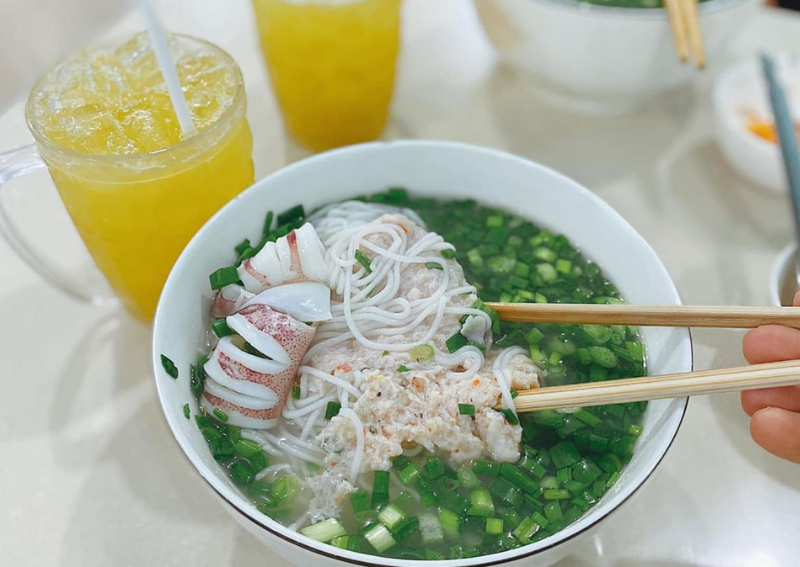
If there’s one dish that defines Phu Quoc to those who’ve been, it’s bun quay. Fresh rice noodles are pressed to order, and the raw seafood, fish, shrimp, and squid, is “stirred” (quay) directly in the bowl, cooking gradually in the heat of the broth. The result is a naturally sweet, deeply aromatic soup finished with scallions, black pepper, and fresh chili. Add a splash of the accompanying dipping sauce for extra depth.
Try it at: Bun Quay Kien Xay (28 Bach Dang or 98 Tran Phu, Duong Dong); Bun Quay Thanh Hung (157 30/4 Street)
Bun Ken – Coconut Fish Noodle Soup
Where bun quay is light and clean, bun ken is rich and enveloping. Nhou or Silver fish is cooked, finely minced, and simmered with coconut milk, turmeric, and lemongrass into a thick, golden, fragrant broth poured over vermicelli and topped with bean sprouts and fresh herbs. It’s the kind of dish that stays with you.
Try it at: Bun Ken Ut Luom (42 30/4 Street); Di Hong Eatery (4 Nguyen Trai Street, near Dinh Cau Night Market)
Hu Tieu Muc – Squid Noodle Soup
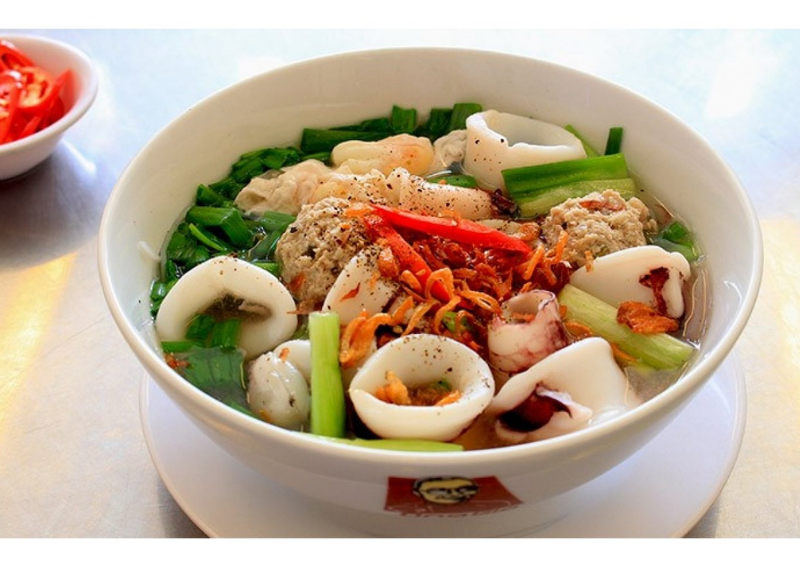
A Phu Quoc variation on the southern Vietnamese hu tieu — pork bone and fresh squid broth, naturally sweet and light, served with crunchy squid rings, fresh shrimp, lean pork, and sometimes quail eggs. A squeeze of lime and fresh chili bring it together.
Try it at: Tu Huong Squid Noodle Soup (42 30/4 Street, Duong Dong)
Goi Ca Trich – Raw Herring Salad
One of the island’s most iconic starters. Herring fillets are marinated in lime juice to firm the flesh and reduce any fishiness, then tossed with onions, fresh herbs, and shredded coconut. The combination is wrapped in rice paper and dipped in mam nem (fermented anchovy sauce) — each mouthful delivering layers of freshness, richness, and intensity.
Try it at: Ham Ninh Fishing Village; beachfront restaurants at Bai Sao Beach
Ham Ninh Crab – The Island’s Most Celebrated Delicacy
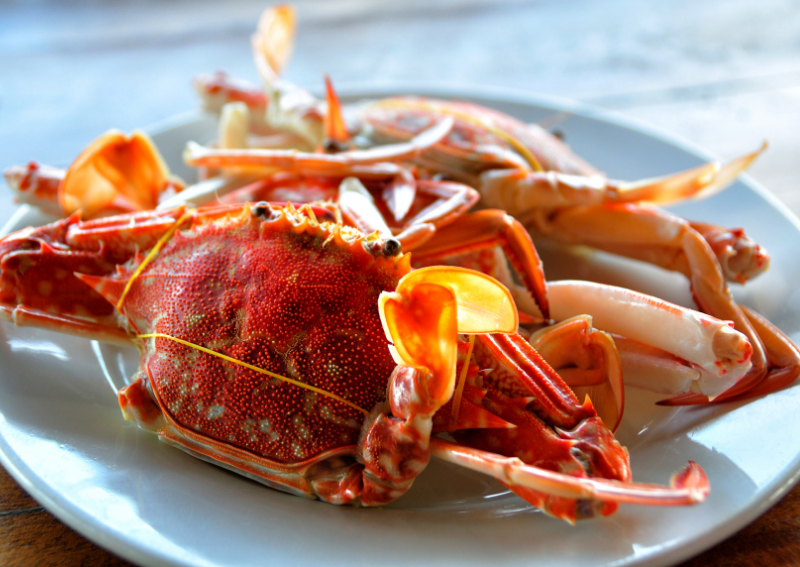
Caught from the waters around Ham Ninh Fishing Village – a settlement with over 200 years of crabbing history – these medium-sized crabs are prized for their firm, naturally sweet meat and rich roe, a product of living in clean, coral and seaweed-rich waters. They’re prepared in multiple ways: steamed with beer, grilled over charcoal, tossed in tamarind sauce, stirred into fried rice, or simmered in noodle soup. Any preparation works. Fresh from the village is the definitive version.
Try it at: Ham Ninh Fishing Village; Song Xanh Restaurant (217 30/4 Street)
Cobia Hotpot
Phu Quoc’s cold, clean waters produce exceptional cobia, white, firm-fleshed, and naturally sweet without any fishiness. The hotpot version simmers fresh fish bones (sometimes with coconut water) into a clear, delicate broth, served communally with napa cabbage, banana blossom, and local herbs. A restorative, communal dish that’s particularly good on an evening when the sea breeze picks up.
Try it at: Seafood restaurants at Bai Sao Beach; Phuong Dong Eatery, An Thoi Town
Seaside Seafood BBQ
The quintessential Phu Quoc dinner experience, fresh prawns, squid, scallops, sea urchin, and lobster grilled over charcoal at a beachside table, with the sound of waves nearby and a dipping bowl of green chili salt or lime-pepper sauce within reach.
Try it at: The Phu Quoc Night Market on Vo Thi Sau Street is the most atmospheric setting for this; Ra Khoi Restaurant (118 Tran Hung Dao) offers the same with a sea view and more refined surroundings.
Street Food and Sweet Endings
The lanes around Dinh Cau Night Market and 30/4 Street come alive after dark with grilled skewers, dried beef salad, seafood banh mi, and roasted corn. For dessert, banh kheo (sweet coconut pastry), toddy palm cake, che Thai, and coconut ice cream are all worth seeking out at Duong Dong Night Market before calling it a night.
From Island to City – Discover Saigon at La Siesta Premium Saigon Central
A Phu Quoc trip pairs naturally with a few days in Ho Chi Minh City – the island’s relaxed coastal pace providing the perfect counterpoint to Saigon’s restless energy. After the beaches and fishing villages, the city’s historical landmarks, neighborhood restaurants, and street-level intensity feel newly exciting rather than overwhelming.
For travelers making that transition, La Siesta Premium Saigon Central offers exactly the right landing point. Positioned steps from Ben Thanh Market in the heart of District 1, and widely recognized among the best boutique hotels in Saigon for its elegant design and genuinely attentive service, it provides a calm, well-considered base from which to explore everything the city does best, from the colonial architecture of the French Quarter to the culinary depth of the surrounding streets.
Among the best hotels in Saigon for travelers who want character alongside convenience, La Siesta Premium Saigon Central turns the urban leg of a southern Vietnam trip into something worth savoring rather than simply enduring before a flight home.
See also: Mekong Delta Trip Vietnam: The Complete Guide | Vung Tau Beach Guide: Southern Vietnam’s Most Accessible Coastal Escape | Vietnam Reunification Day: A Traveler’s Guide to April 30 in Saigon